Features / In Focus


A COIN TOSS: Allowing Factories to Import Gas
Often a solution to one problem is through solving another. The gateway to resolving the infamous energy crisis in Egypt is through the liberalization of the energy market, mainly the feedstock of factories. With priority given to power generation, having enough electricity to feed the local market is definitely the source of the whole issue.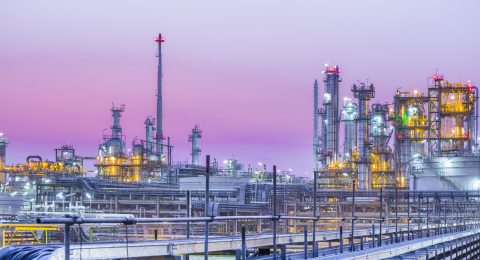
JOINING THE SHALE REVOLUTION: HURDLES ALONG EGYPT’S PATH
According to the Cairo University’s Mining Studies and Research Center shale oil could add 4.6 billion barrels to Egypt’s production; shale gas could also contribute another 100tcf. Even the already oil-rich Arab Gulf states are sinking money and expertise into this new sector. Moving into shale may seem like a foregone conclusion in the MENA region, not least in a net importing country like Egypt. Still, it is always wise to pause for thought if we are to make the best of our shale prospects, the current price environment notwithstanding.
EGYPT’S TECHNOLOGY PROBLEMS: THE OIL SECTOR AS AN R&D SOLUTION
Talk to anyone in the oil sector in Egypt, even lab assistants, and they will tell you right away that the government does not provide them with any kind of support, even with simple things like rock core samples, the most basic item needed for research. The same goes for the Scientific Research Academy and the ministries of planning and manpower. No budgets are created for R&D expenses in the public sector generally, because any expenditure that does not bring a guaranteed result is considered a “squandering of public funds,” punishable by law. The oil sector has a little more leeway here, as it enjoys larger revenues. In most developed countries, companies actually get tax deductions for the research they do, while the private sector in Egypt is saddled with sales and value-added taxes.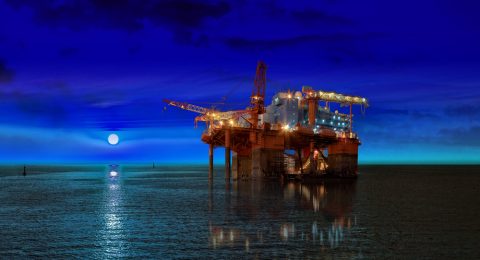
A 12 Billion Dollar Promise
“BP to Invest $12 Billion in Egypt,” this is the headline that has caused a media frenzy to blow like wind passing through every news agency in the region. BP has claimed the title for the biggest foreign direct investment made in Egypt, and reactions are still flooding in weeks later at extreme ends of the spectrum. After all, besides the headline, little details of the agreement itself were shared publicly.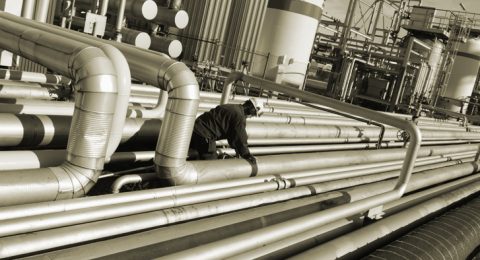
Egypt’s Unrealized Potential: Underused Refineries
Egypt is the largest oil and natural gas consumer on the African continent. Its large population of 86 million –second only to Nigeria– consumed 20% of oil and 40% of natural gas in Africa in 2013. However, not all of the petroleum products used like gasoline, diesel, and jet fuel are refined domestically. According to OPEC’s annual statistical bulletin, Egypt imported 170,000 b/d of petroleum products in 2013. A ministry of petroleum official in a statement to Reuters last August confirmed that Egypt imports $1-1.3 billion worth of petroleum products per month. Despite recent agreements with gulf countries such as the UAE to provide Egypt with petroleum products at discounted rates, grants, and credit arrangements, the imports are still a great financial burden on the state and they further reduce its foreign reserves. If those products were refined locally, this would result in a significant price reduction and would provide some measure of relief for the state budget. The main question now becomes: Can Egypt produce those petroleum products in local refineries? If yes, then why resort to expensive imports? Answering that question requires understanding both the current technical and economic standing of Egypt’s refining industry.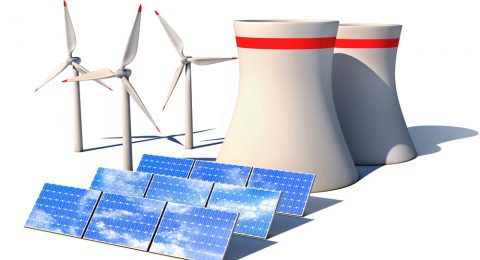
DIVERSIFYING EGYPT’S ENERGY MIX: The Road to Renewable Energy
The Hurghada-Cairo road follows the Red Sea’s tranquil sea coast; the slightest swerve could drive a bus full of Egyptians, and the occasional foreigner, straight into the crystalline water. Opposite the Red Sea, the desert opens up in all directions, making the journey a pleasant experience, albeit the long bus ride The scenery turns extraordinary the moment the highway reaches the wind farms; their giant wind turbines rising like palm trees in the desert, a scene more suited to Germany than Egypt.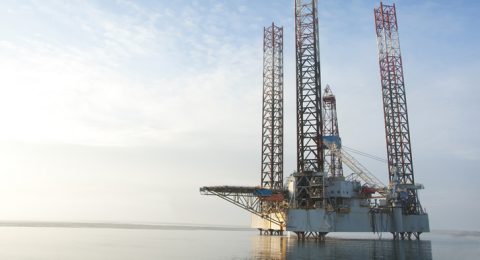
Adverse Environment: The Impact of Oil Prices on Egypt’s E&P
As oil prices continue their dive —with prices below $50 dollars per barrel at the time of publishing— many of us are left wondering what’s next. Will prices ever return to their previous levels? Have oil producers changed tactics? How will all this affect Egypt?
WHEN NATURAL GAS IS NOT ENOUGH: Diversifying Egypt’s Energy Mix
Egypt’s smothering summer months are old news, at least until May creeps back into our calendars. Yet the country’s worst energy crisis in decades continues to make the headlines. The second half of 2014 experienced plaguing power outages across the city, struggles to repay rising government debt, lagging foreign investment and a race to match natural gas production with domestic energy demand – all while juggling presidential elections, fuel subsidy reforms and a vulnerable industrial sector.