Features / In Focus



BURNING GAS, BURNING MONEY
For a country that is already juggling several economic problems, the prospect of saving an additional $300m per year is an exciting piece of news. The amount corresponds with annual losses that Egypt suffers from as a result of 2.5bcm of gas being flared in the country every year, according to preliminary findings of a study conducted by the European Bank for Reconstruction and Development (EBRD).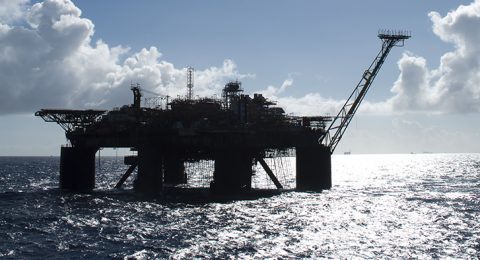
Explore or Ignore? Egypt’s Western Mediterranean
The vast wealth of hydrocarbons that lie beneath Egyptian waters in the Mediterranean Sea has recently attracted international attention and possibly provoked envy of some countries. While massive finds in the eastern Mediterranean areas have intensified interest in expanding exploration activities in the region, Egypt’s future may be promising when looking at the country’s northwestern coast as well.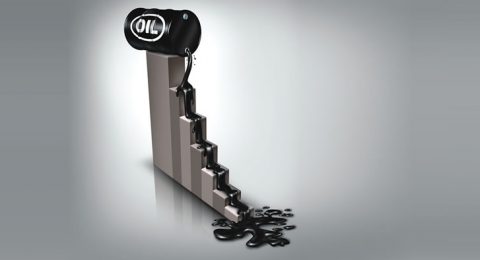
Optimizing Egypt’s Fuel Distribution Scheme
Drivers of cars, taxis, micro buses, and trucks know the drill by heart. Line up in front of a petrol station, wait for hours, fill up your tank, and drive away. Fuel shortage crises in Egypt erupted on countless occasions in the last few years. The government seems in denial that these crises are genuine; reflecting on deficiencies in the country’s downstream sector. Yet, it has started implementing a new fuel distribution system. The government awaits its new smart cards scheme to do the trick, and generate a massive improvement in fuel supplies to end customers.
Coal for Energy: A Future or a Roadblock?
During the climate talks in Paris in early December, countries agreed to limit their carbon dioxide emissions. Several European countries have ambitious plans to close their coal-fired power plants. Coal, a large contributor to carbon dioxide emissions, seems to be on the retreat. However, Egypt is moving in a different direction.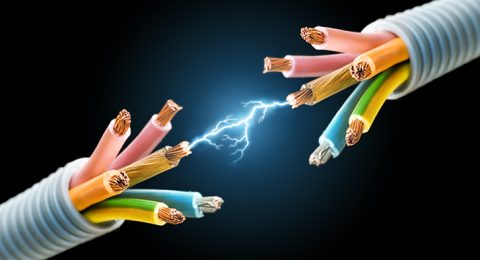
Egypt’s Nuclear Program: More Questions than Answers
On November 19th, President Abdul Fattah Al-Sisi announced that Egypt’s “long dream” of nuclear energy had come true. The Egyptian nuclear program, initiated during the Nasser presidency in 1955, is finally taking a step towards electricity production after sitting dormant for most of the last 60 years.
INVOLVING THE EXPERTS: Consultancy Firms and Egypt’s Petroleum Sector
A very distinguished petroleum expert, on condition of anonymity, revealed that he had been brought in by the petroleum ministry, in the days of Sameh Fahmi, to advise them on certain matters, he did not provide any details; however he did say that it was all very hush, hush and not a frequent practice.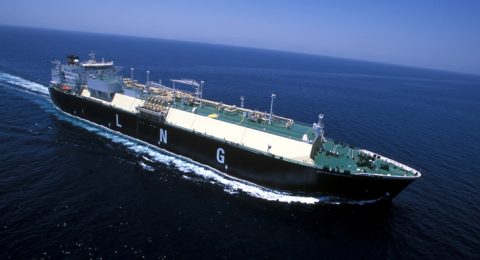
EGYPT’S IMPORT SOLUTION: FSRUs
The age of natural gas has come. Once considered a useless byproduct of drilling, natural gas was burned off during the course of oil production. But as oil has become scarcer and more difficult to access, natural gas has skyrocketed in value. Prized for its easy extraction, simple carbon structure, and clean-burning emissions, natural gas has become a natural choice.
TAREK EL-MOLLA: THE FUTURE OF THE PETROLEUM MINISTRY
Within moments of announcing Sherif Ismail, the previous minister of petroleum, as the head of the new government, all attention shifted towards the question of who would become the next oil minister in Egypt. Rumors and speculation echoed through the business scene, after all, the petroleum ministry is the center of Egypt’s beehive, every decision made by the ministry, affects factories, electricity, energy subsidies, investment, foreign currency reserves—and by extension—the wellbeing of the entire Egyptian economy.