- Crude Oil (WTI) 100.79 USD/bbl -0.18%
- Crude Oil (Brent) 114.69 USD/bbl 0.17%
- NYMEX Natural Gas 2.60 USD/MMBtu 3.59%
- OPEC Basket Price 115.09 USD/bbl 0.0%

exploration
Morocco Plans $1Bn in Oil, Natural Gas Exploration Through 2031
Morocco expects to invest MAD 9.21 Bn ($1 Bn) in oil and natural gas exploration over the next five years through 2031 to assess its hydrocarbon potential and identify commercially viable reserves, potentially reducing reliance on energy imports, Bloomberg’s Asharq Business website reported on October 26, citing a report by the Moroccan Ministry of Economy and Finance.
Cyprus
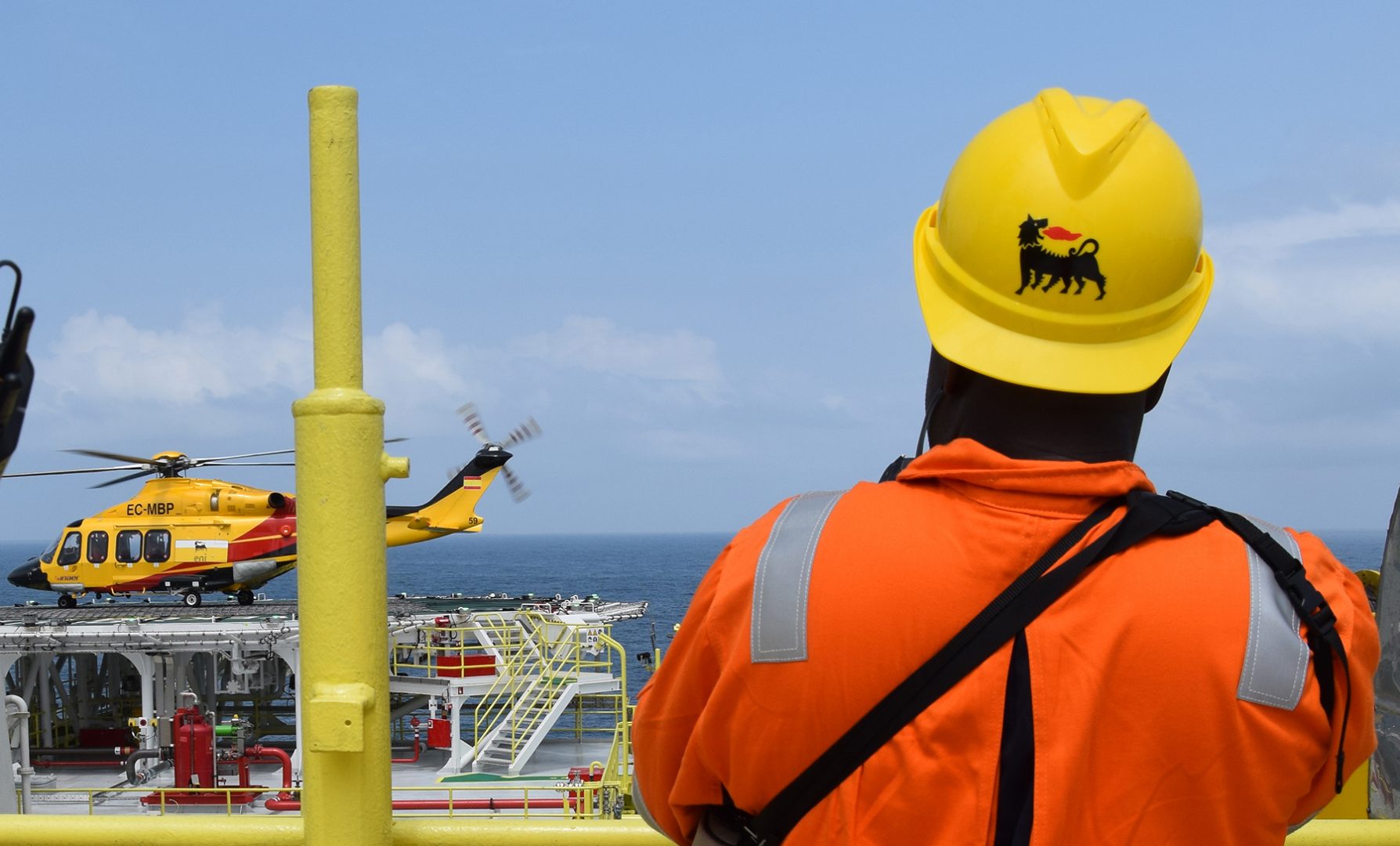
Eni Signs EPC Deal for Developing Cronos Gas Field in Cyprus
Italian energy giant Eni signed on October 26 the main engineering, procurement, construction (EPC) and drilling contracts for the development of the Cronos Project located in Block 6 offshore Cyprus, marking the start of the project's execution phase. The awarded contracts include Floating Control Unit, transportation and installations, offshore sealines, subsea production system, flexible lines, umbilicals, onshore line EPC, and drilling rig services.
Egypt
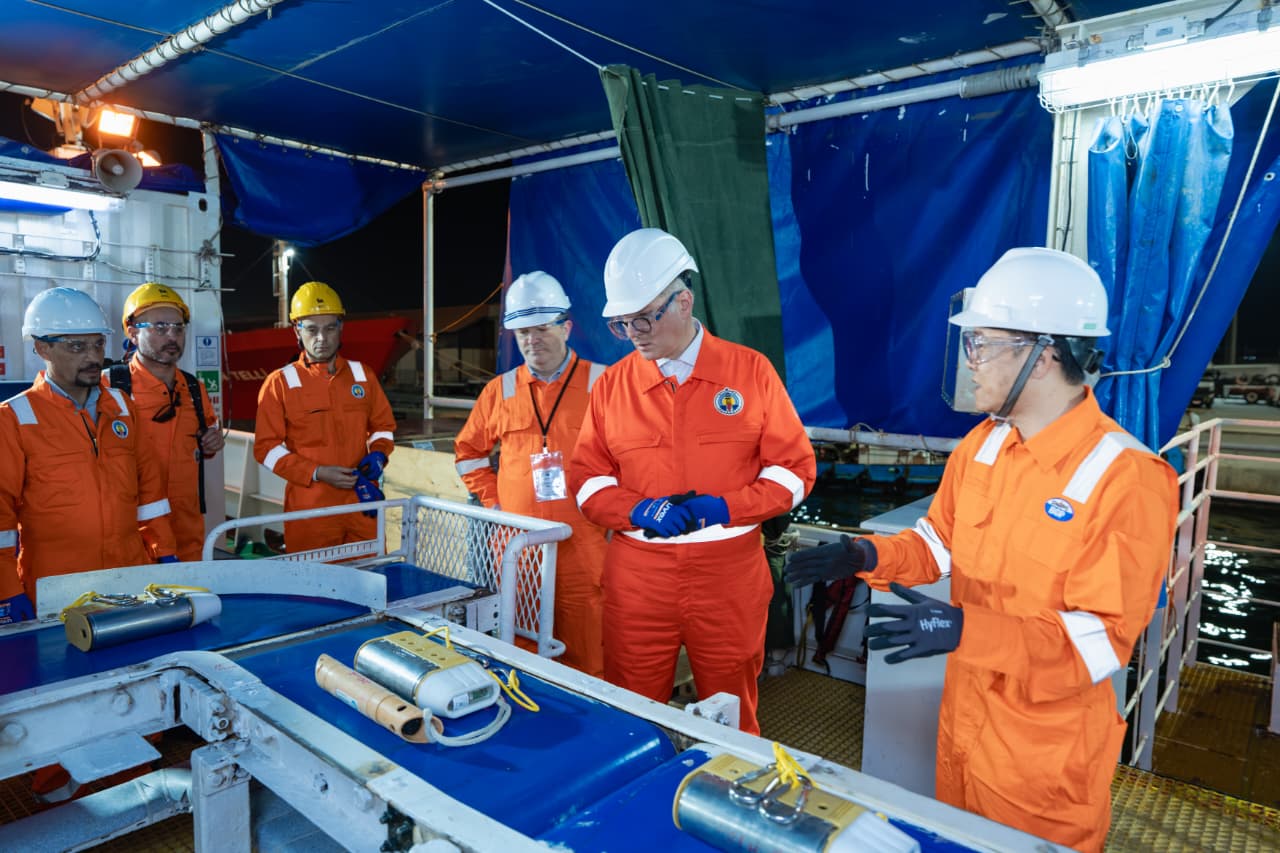
Egypt to Launch Eastern Mediterranean OBN Seismic Survey
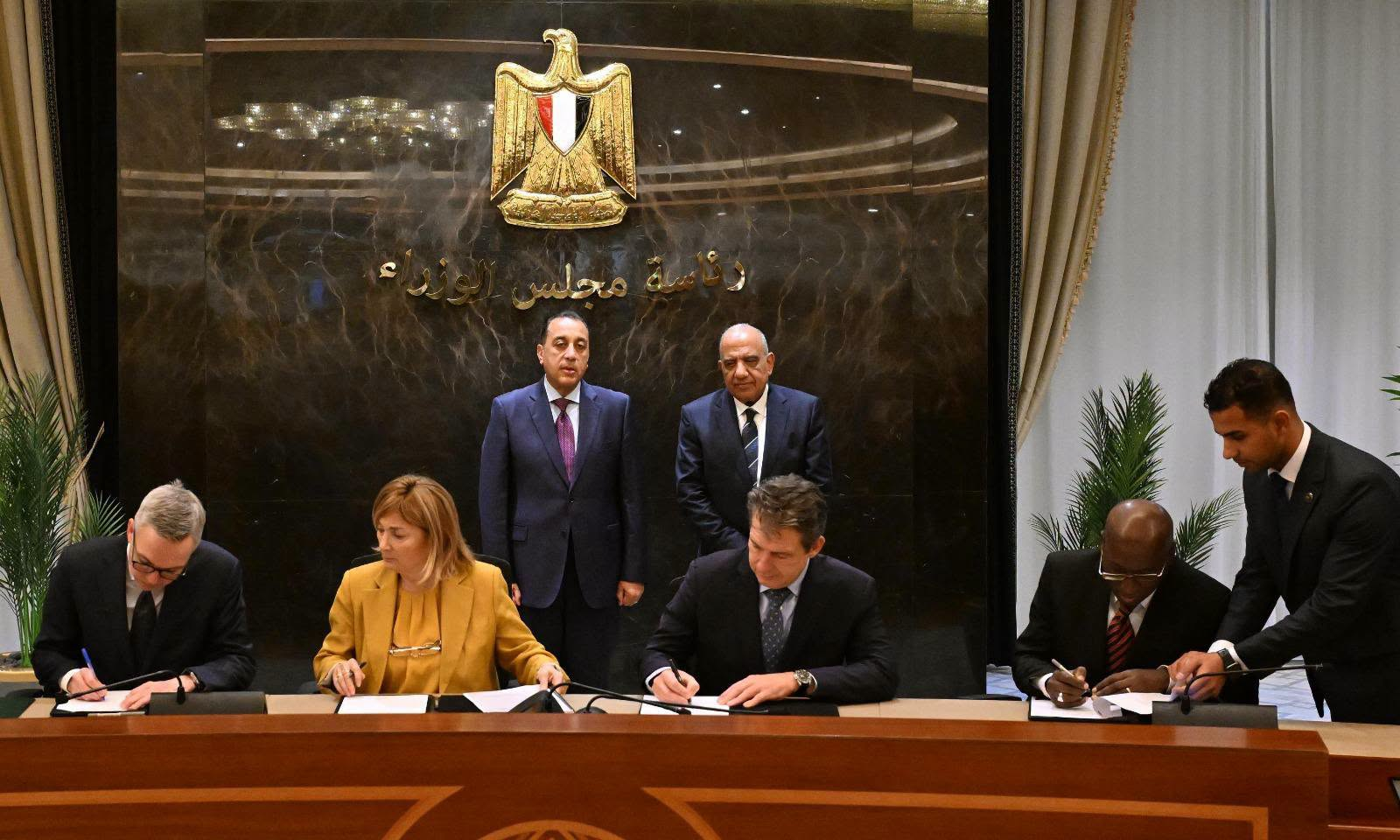
Egypt will launch an offshore seismic survey using Ocean Bottom Node (OBN) technology in the Eastern Mediterranean on October 30, Karim Badwi, Minister of Petroleum and Mineral Resources, said during an inspection of the Commander survey vessel at Port Said Port. The project will initially cover 300 square kilometers across the Denise area off Port Said and Ras El Bar, as Egypt expands the use of advanced exploration technologies to identify new natural gas prospects.
capital expenditure
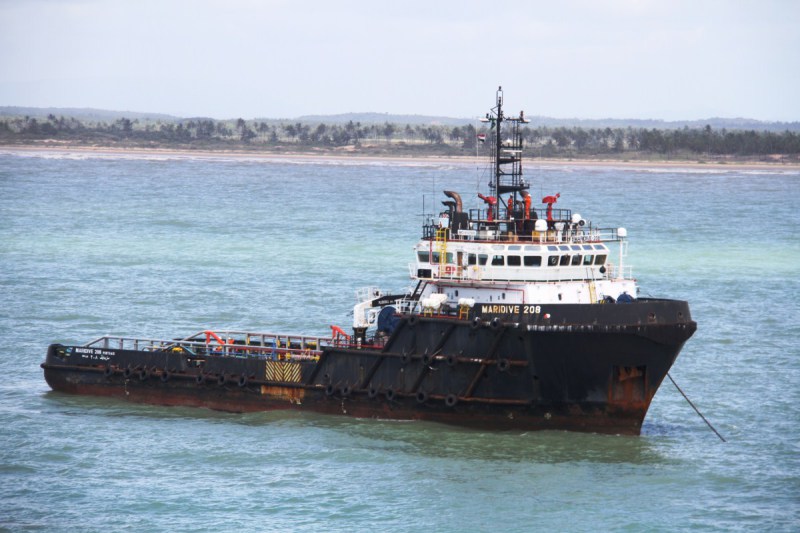
Maridive Approves Up to $16 Mn for New Offshore Support Vessel
Maridive and Oil Services approves up to $16 million to acquire a newbuild diesel-electric AHTS vessel, as the company returns to profitability in H1 2026.
Markets
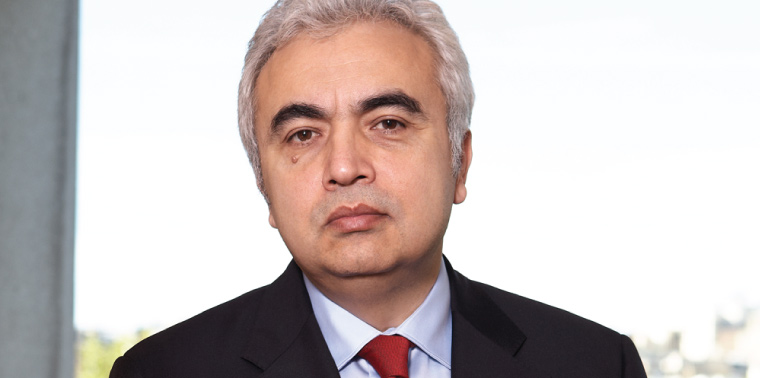
IEA: Global Energy Markets Unlikely to Return to Pre-War Levels in 2027
Global energy markets are unlikely to return to pre-war conditions in 2027 as the conflict involving Iran continues to disrupt supplies, drive up oil and refined-product prices, and intensify concerns over winter fuel availability, International Energy Agency (IEA) Executive Director Fatih Birol said. Speaking at the Singapore International Energy Week conference, Birol said there was no credible path for markets to return to their pre-war state next year, urging governments and businesses to make energy security their top priority.
Saudi Arabia
Saudi Arabia to Expand Asian Crude Oil Storage With Singapore Deal
Saudi Arabia plans to store up to nine million barrels of crude oil in Singapore’s Jurong Rock Caverns from the second half of 2027 to strengthen regional supply security and improve access to key Asian markets.
Russia
Iran to Discuss Gas Cooperation With Russia, GECF Members at Moscow Summit
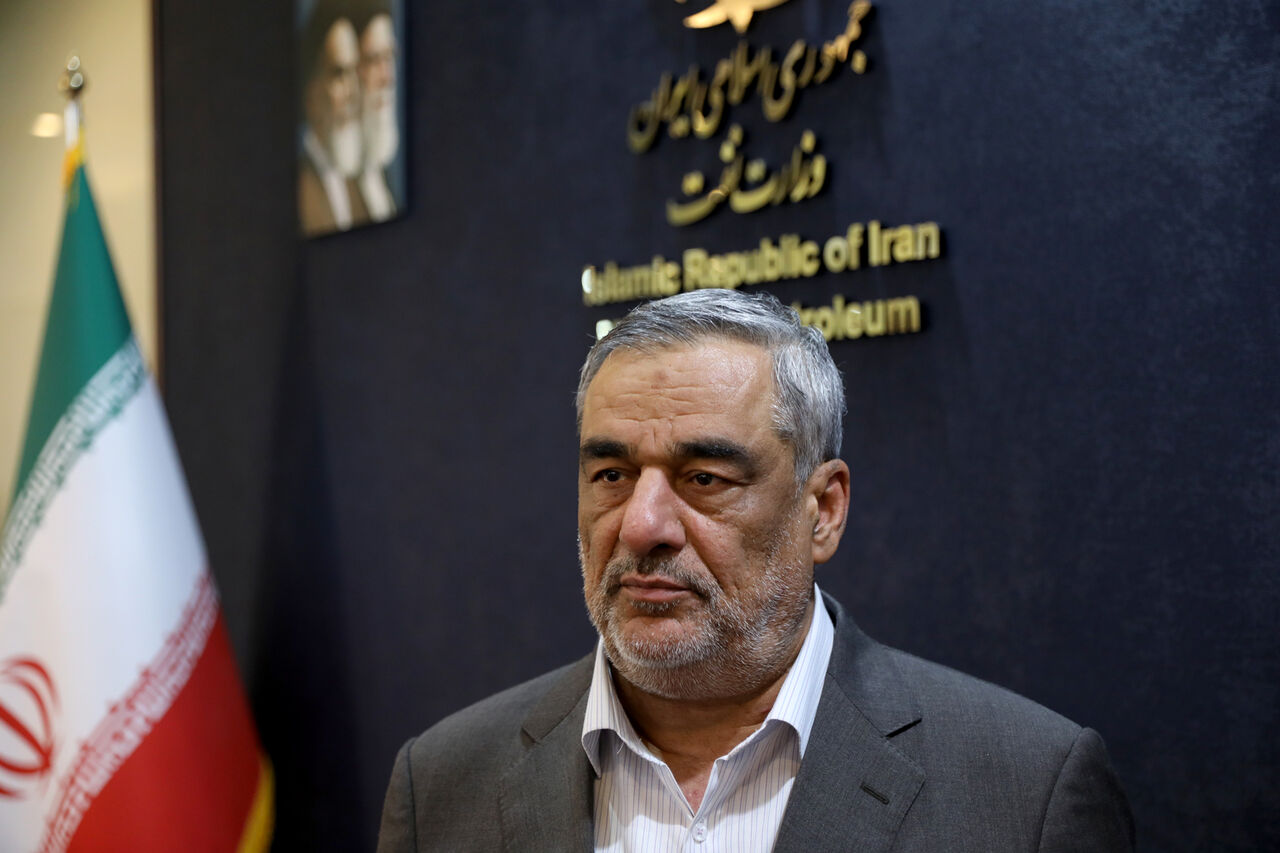
Iran will seek to expand natural gas cooperation with Russia and other members of the Gas Exporting Countries Forum (GECF), focusing on field development, gas exchanges, and export policy coordination, Acting Oil Minister Hamid Bovard said on October 25, according to the Islamic Republic News Agency (IRNA).
Libya
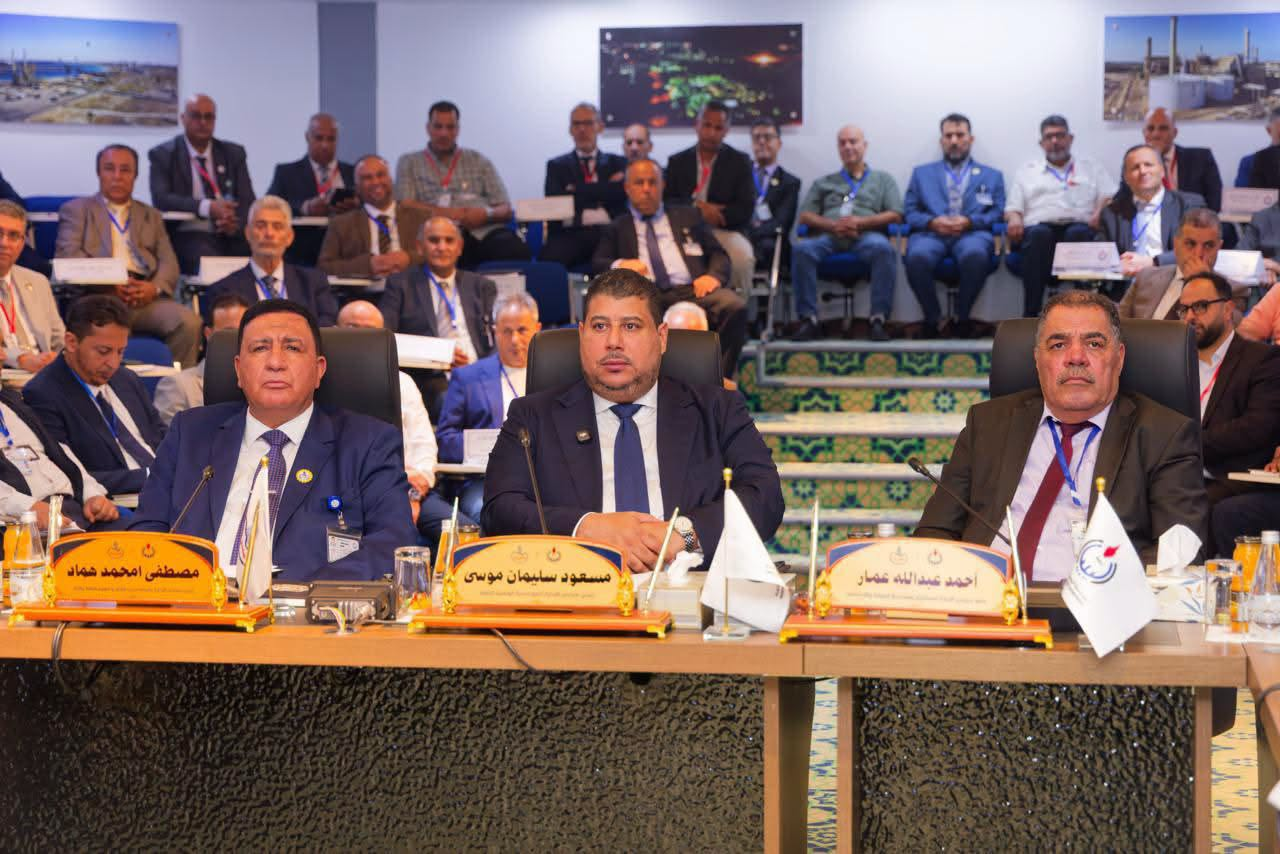
Libya Opens Al-Rashad Gas Field, Restarts Brega Refinery
Libya’s National Oil Corporation (NOC) has brought the Al-Rashad gas field online with a production capacity of 50 mmcf/d and restarted the Brega refinery and a natural gas processing unit after prolonged shutdowns, the corporation said on October 25.