Features / Politics

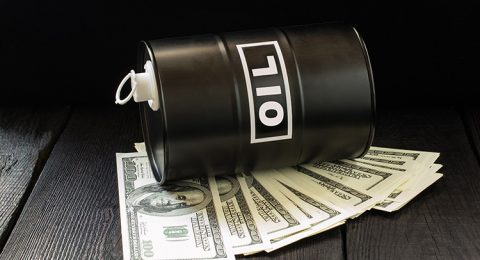
OPEC Oil Deal: Between Promises and Frustration

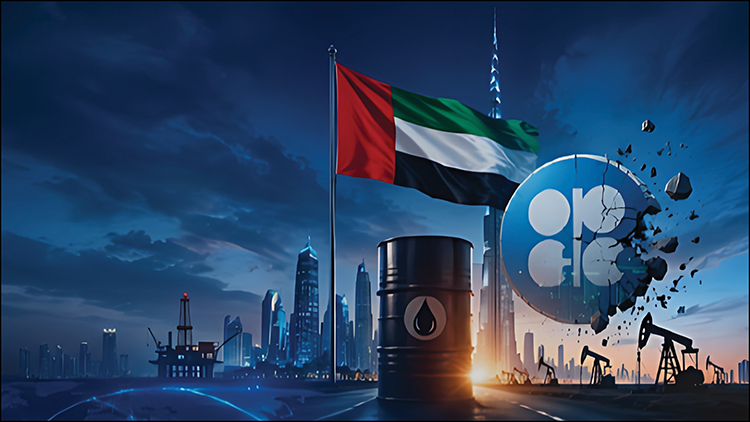
Cairo – Decypha: In an attempt to prop up the oil prices, the Organization of the Petroleum Exporting Countries (OPEC), along with 11 non-members, decided in November 2016 cut oil production as they battle a global glut of crude to push oil above $50 a barrel in 2017.
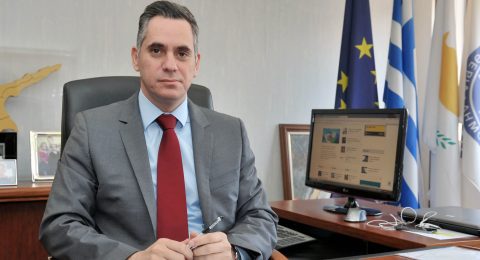
An Interview with Cyprus’ Top Presidential Candidate

In the global chess game of energy, international relations tend to have the first hand.  When looking into the power of the Eastern Mediterranean region, one cannot side-step the central role of Cyprus. In an effort to steer away from Egypt’s angle of the equation, Egypt Oil & Gas conducted an interview with Nicholas Papadopoulos, the Presidential candidate of Cyprus and the Head of the country’s Democratic Party.

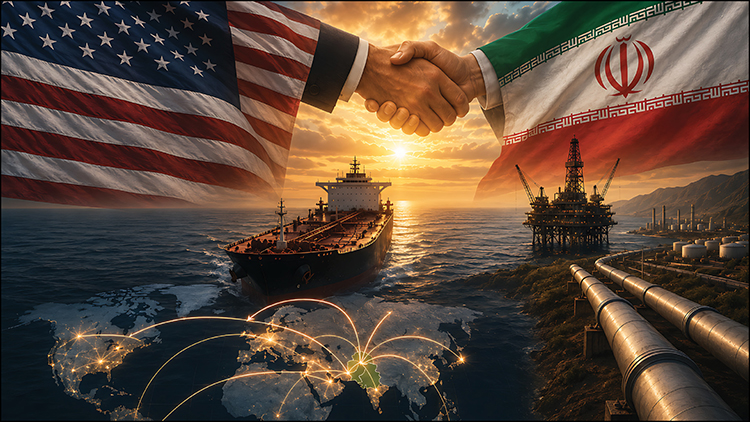
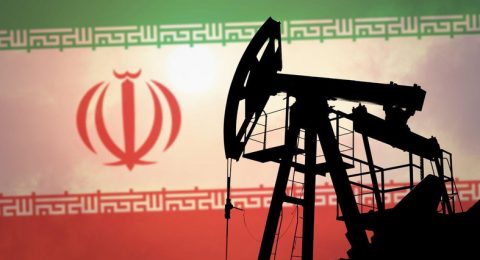
The Influential Role of Iran on OPEC’s Welfare

Fluctuating global oil prices for the past three years have continually hurt both government and private sector oil investors. The near halving of oil prices overnight since mid-2014 came six months after the US lifted economic sanctions placed on Iran since 2011.

The Real Influence of Saudi Arabia in the Oil Price Game

When it comes to influencing global oil prices by manipulating production levels, many politicians and economists agree that no country is more powerful than Saudi Arabia, the second biggest oil producer in the world after Russia. This was most evident when oil prices dropped from $105 a barrel mid-2014 to a low of $30 a barrel early 2016 at the behest of Saudi Arabia officials to fight off a shale gas boom in the USA.

QATAR CRISIS AND ITS IMPACTS ON THE PETROLEUM INDUSTRY

In June 5, Egypt, Saudi Arabia, the United Arab Emirates (UAE), Bahrain and other Arab countries cut diplomatic ties with Qatar in a coordinated move after allegations that Doha supports terrorist organizations and interferes in the internal affairs of countries in the region.

EMMANUEL MACRON: A BOOST FOR CLEAN ENERGY PLANS?

The recent French presidential elections had spurred controversial reactions and divergent responses upon the announcement of Emmanuel Macron’s victory. From the center to the extreme far-right, the position of both pro-EU leader and his then-opponent Marine Le Pen on the political landscape is far from having any commonalities.

BREXIT: CURRENT AND POTENTIAL RAMIFICATIONS ON THE ENERGY MARKET

Britain’s Exit from the European Union has sparked conflicting debates among world leaders, signaling huge economic and political consequences that render the future of the UK obscure. In late March 2017, British Prime Minister Theresa May has invoked article 50 of the EU law that triggers the start of the two-year process for a country ditching its European membership.

MEDDLING POLITICS IN LEBANON’S Energy Industry

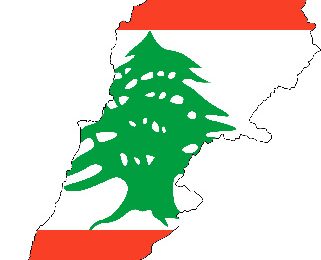
Lebanon has recently fueled prospects for exuberant oil and gas discoveries in the Mediterranean Sea, signaling an energy windfall that would jump start its economy. However, political setbacks that the country has been facing and regional struggles in which Lebanon has been implicated, pose insuperable obstacles to the development of the country’s oil and gas wealth.

The Growing Threat to Iraq’s Oil Industry

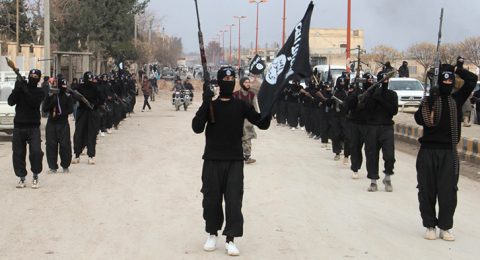
The political vacuum and internal conflicts brought about by the US-led war on Iraq has left behind a feeble country, and paved ways for the emergence of armed organizations such as Islamic State (ISIS), which has arisen in Iraq initially as a branch of Al-Qaeda.

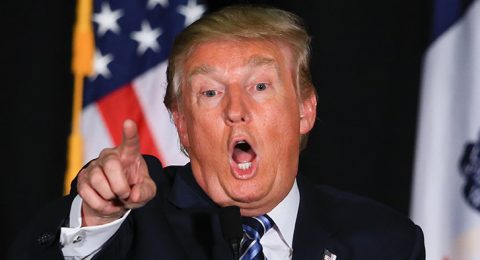
TRUMP’S GOOFY OIL POLICY TOWARDS IRAQ

Iraq’s oil industry has been a central component to the welfare of its economy, occupying around 95% of the government’s total revenues. For years following the end of the US war on Iraq, the development of the oil sector in Iraq has been resurrecting amid conflicting national interests over energy resources.

Page 9 of 10

Login

Welcome! Login in to your account

Remember me Lost your password?

Lost Password