A New Oil & Gas Order in The Making?
With the emergence of the coronavirus pandemic and an unprecedented price war, 2020 should go down in history as a defining moment for the oil and gas industry.
With the emergence of the coronavirus pandemic and an unprecedented price war, 2020 should go down in history as a defining moment for the oil and gas industry.

In nearly three months, the novel coronavirus or COVID-19 was able to confine a third of humanity to their homes. By the end of March, the disease spread to nearly 200 countries and territories with the global infection toll surpassing 500,000 and more than 25,000 deaths.
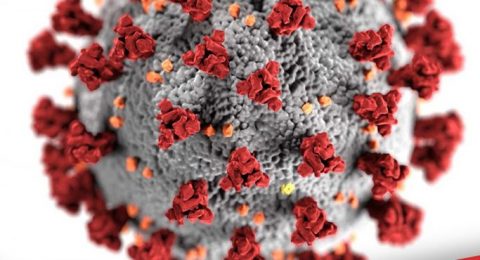
In late December, a new outbreak known as COVID-19 or coronavirus appeared in Wuhan, China. The outbreak that typically causes human flu-like symptoms including fever, cough, and shortness of breath that may lead to death, took its toll on travel movement, world stocks and oil prices with estimates that in case of turning into pandemic, Coronavirus could cause an average annual economic loss of 0.7% of global GDP — or $570 billion.

Since the 17th February Revolution in 2011 – which saw Muammar Gaddafi’s old regime being ousted –the Libyan oil and gas sector has been disrupted. Although in August 2011 the petroleum production started to recover quickly, this recovery did not last long due to the conflicts between local armed groups led by either Marshal Khalifa Haftar or Fayez Al- Serraj. Subsequently, oil production and exports were disabled for a while. Workers started striking in July 2013, ceasing the Gulf of Sirte oil terminals.
How can a country with the largest oil resources on the planet end up with the worst economic depression and humanitarian crisis in history?
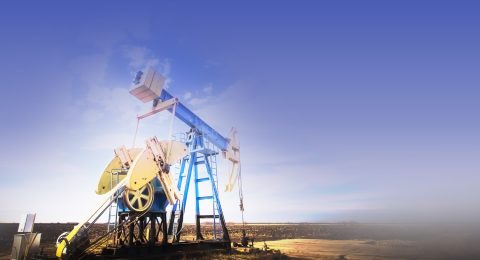
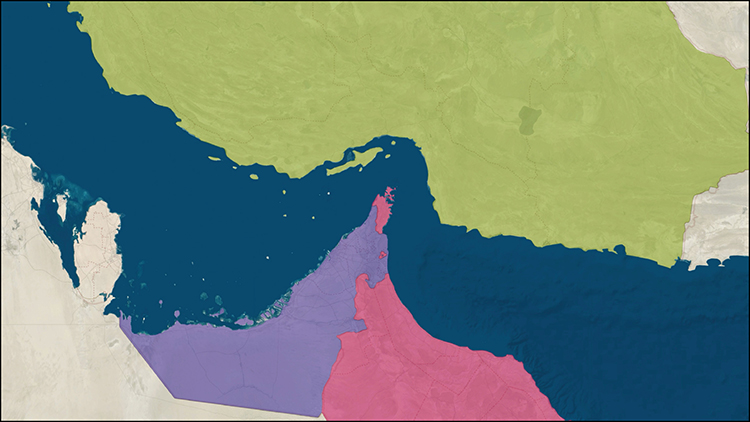
A burgeoning Middle Eastern conflict is putting the world’s energy security under threat. After Saudi Aramco, the world’s largest oil producer, was hit by drones, the global supplies were bound to be disrupted and prices to skyrocket. The conflict has many ambiguous and cascading effects that are yet to be explained.
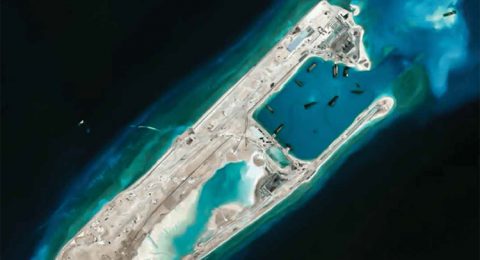
For the past few years, China has been garnering great power potential which is reflected in its assertive foreign policies. China’s persistence on dominating the South China Sea (SCS) has resulted in territorial disputes with its neighboring countries and has become a threat to both regional and global energy security. These ongoing disagreements have become “a focal point for big power rivalry”, and their repercussions stretch beyond the region.
Within the past few years, the context of geopolitics in the Eastern Mediterranean region has drastically changed. Is there a hidden agenda behind the fundamentals of this newly formed gas market? Or is it just the simple truth that peripheral power prevails when consolidated?
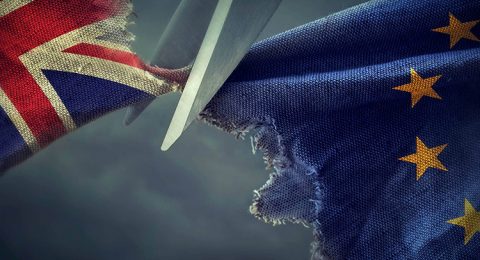
Since 2016, Brexit negotiations started when the United Kingdom (UK) voted for separation from the European Union (EU) in a landmark referendum, where 51.9% voted to leave the EU against 48.1% voted to remain in the EU. On March 2017, Article 50 of the European Union’s Treaty was implemented and negotiations between UK and EU started to take place in April 2017. It was announced that England's separation from the EU would be in March 2019, two years after the start of the exit process. However, due to the inability to reach a deal, the time of the Brexit was postponed to April 12 then postponed again to October 31. During the mentioned period, Theresa May resigned last June. Accordingly, the future can be summed up in five different scenarios.

As government finances of all six Gulf Cooperation Council (GCC) member states continue to deteriorate due to low global oil prices, finding a new source of income for the government that is unrelated to oil has become vital. Hence the introduction of a 5% value added tax (VAT), the region’s first ever tax levied on products and services.