

Features / Industry Insights

Marine Life Protection in the Oil and Gas Field

To begin with, the oil and gas sector is known to have some of the most prominent and paramount projects that are often located offshore. It is important to note that Egypt is home to some of the largest oil and gas projects in the region. In fact, Egypt aims to become the regional natural gas hub in the coming years.


Oil & Gas Field Meets Renewable Energy: A Comparison of Regulatory Frameworks

The oil and gas sector in Egypt has come a long way over the past century, due to the country’s advantageous geographical location, its well-developed infrastructure, as well as its potential for new resource discoveries. While there are various laws, agreements and regulatory frameworks to ensure that all attained resources are protected and used in a social, economic and political way, there remain some minor details that could be improved over the long run.

Eradicating Arrears and Establishing Mergers and Acquisitions

For a long time, the government’s temporary inability to pay all its dues to foreign companies has directly affected business transactions in Egypt. Mergers and Acquisitions (M&A) transactions were inevitably afflicted by these delays, too. However, as the government endeavors in reducing its arrears to International Oil Companies (IOCs), M&As are availing themselves of this opportunity.

IPOs as a Catalyst for Investments in the Petroleum Sector

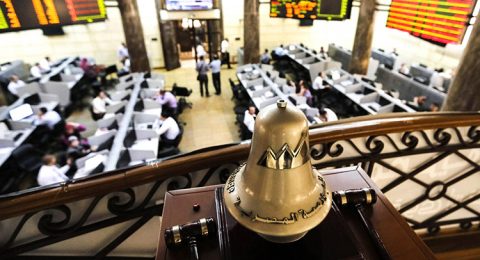
A number of leading petroleum sector companies are at the center stage of the government's Initial Public Offering (IPO) program. Market experts believe the IPO program will revitalize the Egyptian Exchange (EGX) by introducing new companies to the market, raising market capitalization, and allowing a better financing option to more successful companies.

An East Med Center of Excellence in the Making?

As energy ministers from the East Med Seven come together, a plethora of new developments in the region is on the horizon. Country members have set up the East Mediterranean Gas Forum (EMGF) as a platform to manifest their strengths. The forum has been gaining momentum, so much so that countries outside the region have stated their interest to join. Can the EMGF possibly take a step further to leverage all interested parties’ resources and establish an East Med Center of Excellence (CoE)?

‘Egypt’: The Secret Behind Prosperity in The Eastern Mediterranean Region

Thanks to the boom in natural gas discoveries during the last decade, the East Mediterranean region has imprinted its foothold as a natural gas key player. These discoveries have contributed greatly to boosting the region’s potential reserves as well as intensifying its ability to meet the growing domestic demand and achieve a surplus for export.

Understanding the European Natural Gas Market

European dependence on gas imports is only set to increase. Between 2007 and 2017, European natural gas production declined by 39.4%. Although European gas consumption is set to remain almost flat in the coming years, domestic production is expected to fall at an average rate of 3.5% per year.

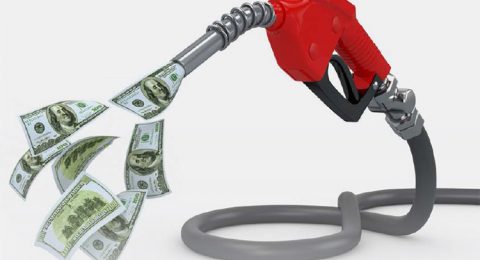
The Environmental Benefit of Fuel Subsidy Elimination

Fossil fuel subsidy reform (FFSR) is the missing piece of the climate change puzzle. The elimination of fossil fuels subsidies is believed by environmental experts to highly contribute to the goal of the Paris agreement, which builds upon the United Nations Framework Convention. The agreement aims to combat climate change by preventing the average global temperature from rising above 2 degrees Celsius from that of pre-industrial levels and limit the temperature increase even further to 1.5 degrees Celsius. It is estimated that FFSR could lead to carbon emission reductions equivalent to a quarter of the combined effort currently proposed by countries as part of the Paris Agreement.

Getting Rid of the Elephant in the Room

Setting a robust national fuel price could be the first step taken towards a more sustainable future, however, there's a multi-billion-dollar elephant in the room.

Automatic Fuel Pricing Indexation Mechanism: An International Trend

Many developing countries around the world subsidize fuel products to sidestep local impact of fluctuating global oil prices. However, on a macroeconomic level, subsidies by default tend to have a taxing impact on the national budget. As a way out of that conundrum, some developing countries have changed their direction to an automatic fuel pricing indexation mechanism, which allows them to reflect fluctuations in global fuel prices domestically.

Page 12 of 17

Login

Welcome! Login in to your account

Remember me Lost your password?

Lost Password