Gulf oil exports rose by over 3 million barrels per day (bpd) from May to over 10 million bpd in June, shipping data show. The UAE led, exporting 3.7-3.8 million bpd in June, more than 1 million bpd higher than May, according to Kpler, Vortexa, and LSEG. Export volumes remain 40% below pre-conflict levels.
Combined crude and condensate exports from Saudi Arabia, the UAE, Kuwait, Iraq, and Iran increased by over 3.5 million bpd to 10.07 million bpd in June, Kpler reported. Vortexa estimated total exports at 10.2 million bpd, up from 7 million bpd in May and below the 16.5 million bpd shipped a year earlier.
A June 17 U.S.-Iran agreement to halt hostilities allowed shipping through the Strait of Hormuz to resume. Since then, the crude backlog in the Gulf has declined, with about 23 million barrels still awaiting transit, according to Kpler. Floating storage in the strait peaked at 96 million barrels in late April.
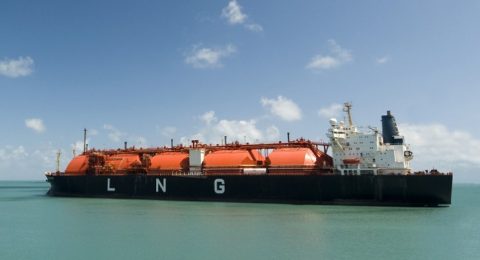
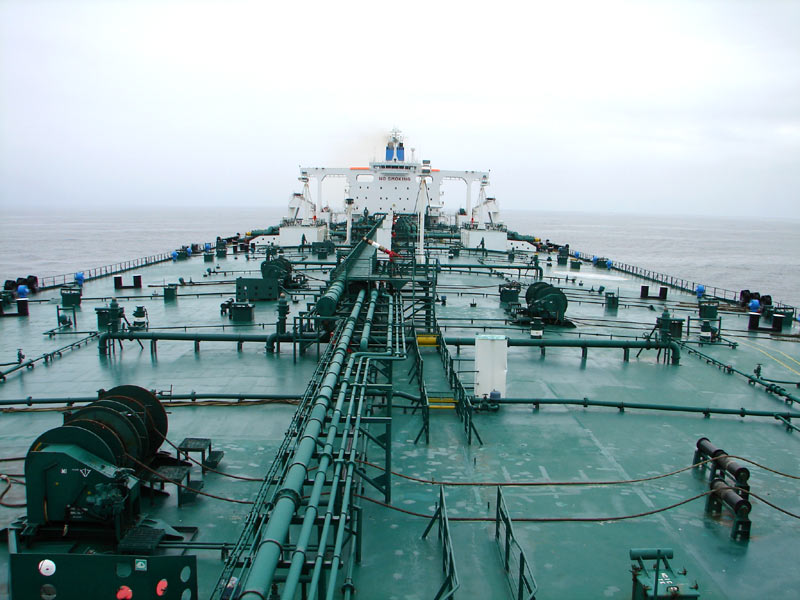
BRS reported 98 tankers crossed the strait between June 22 and June 28, averaging 14 per day. Of these, 47 were outbound oil tankers and 41 were ballast vessels entering the Gulf.
Saudi exports rose by 768,000 bpd to 4.52 million bpd in June, according to Kpler data. Weekly averages reached 6.3 million bpd as loadings from Ras Tanura increased. During the conflict, Saudi Arabia and the UAE used pipelines bypassing the Strait of Hormuz, while ADNOC, the UAE’s national oil company, used a tanker shuttle service.
Iraq and Kuwait exports recovered to around 800,000 bpd each in June, according to Vortexa. Kuwait increased output to 1.65 million bpd, according to a source. Iran raised exports by over 70% in June to 640,000 bpd as U.S. sanctions enforcement eased.
After the war involving Iran began in early 2026, Gulf oil exports fell by more than 60% as closure of the Strait of Hormuz disrupted about a fifth of global petroleum supplies. Saudi Arabia and the UAE partially offset losses by rerouting limited volumes through overland pipelines, but regional shipping remained restricted for months. Brent crude prices rose to nearly $120 a barrel by March.
Following the U.S.-Iran interim peace agreement on June 17, 2026, transit blockages eased. Backlogged tankers moved in escorted convoys, reducing stranded inventories and raising Persian Gulf crude exports above 10 million barrels per day, or about 75% to 90% of pre-war capacity.