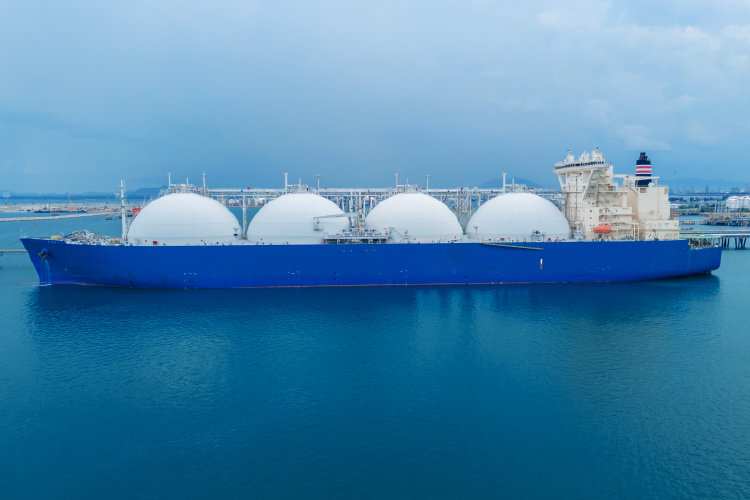
Middle Eastern LNG buyers are increasingly seeking Canadian liquefied natural gas (LNG) supplies as a hedge against geopolitical risks and disruptions affecting key global energy trade routes, Reuters reported, citing Ratnesh Bedi, President of Singapore-based Pacific Energy.
Pacific Energy holds a 70% stake in the Woodfibre LNG project, which is currently under construction on Canada’s Pacific Coast near Squamish, British Columbia. Bedi said the company has been receiving inquiries from Middle Eastern buyers seeking LNG capacity, despite Woodfibre LNG’s 2.1 million tons per year (mt/y) production capacity being fully contracted to British Petroleum (bp).
The growing interest reflects a broader shift among global LNG buyers toward diversifying supply sources following the war in Iran and disruptions to LNG and energy flows through the Strait of Hormuz.
Bedi said inquiries are being received almost weekly, with interest coming not only from North Asian buyers but also from LNG suppliers in the Middle East seeking alternative sources to serve their customers. He declined to disclose the names of the companies involved.
A spokeswoman for Canada’s Energy Minister Tim Hodgson confirmed that Middle Eastern companies have expressed interest in both investing in Canada’s LNG sector and securing physical LNG cargoes from the country.
The federal government has received strong interest from Middle Eastern companies in pursuing LNG equity investments and offtake agreements, according to spokeswoman Charlotte Power.
Canada, the world’s fifth-largest natural gas producer, is developing several LNG facilities along its west coast, positioning the country as an alternative supplier for Asian and other international markets.
Woodfibre LNG is targeting December 2027 for its first export cargo, according to Bedi. The project’s location on Canada’s Pacific Coast provides shorter shipping routes to Asian markets compared with LNG exporters operating from the US Gulf Coast, supporting growing interest among Asian buyers in Canadian LNG.
The disruptions caused by the war in Iran and the Strait of Hormuz have prompted LNG buyers to reassess their supply portfolios, Bedi said, with greater emphasis being placed on geographic diversification and access to emergency supplies outside the global spot market.
Canada is positioned to benefit from this shift because its west coast LNG export infrastructure is not directly exposed to major geopolitical chokepoints, such as narrow straits or waterways that could be blocked or disrupted.
Bedi said buyers are increasingly evaluating potential disruption scenarios and seeking to establish commercial relationships with Canadian LNG suppliers in advance, allowing them to access Canadian cargoes if geopolitical events disrupt their primary sources of supply.
The trend could strengthen Canada’s role in global LNG trade as buyers seek to reduce exposure to concentrated supply routes and geopolitical risks while securing greater flexibility across their LNG portfolios.