

Features / Technology

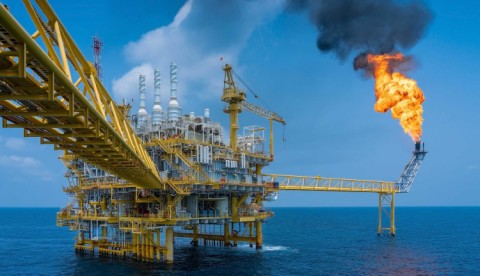
Finding An End to Natural Gas Flaring

Gas flaring is generated by the combustion of gas coming from many industries including oil and gas recovery and petrochemical products. Advanced technology presented several solutions to overcome gas flaring and even use it for productive purposes, especially during the time in which natural gas plays a key role in the transition into clean energy. The World Bank (WB) stated that the amount of gas flared each year is currently estimated at 144 billion cubic meters (bcm) which can provide electricity to the whole of Sub-Saharan Africa.
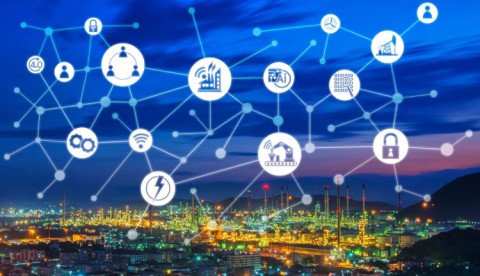
IT/OT Convergence Role in Oil & Gas Operational Efficiency

Just as many other industries around the world, the oil and gas industry, has recently passed through several crises, including the consequences of COVID – 19 pandemic, prices fluctuation, and the impact of the Russian–Ukrainian war. Many of these industries resorted to advanced technologies to respond to or mitigate the effects of such crises. The convergence of Information technology and operation technology (IT/OT) has become one of the growing trends in the oil and gas sector in this regard as it can enable businesses to close the gap between traditional systems that support the OT and modern IT layers.

Composite Pipes: The Next Step in The Pipeline Industry’s Evolution

If the oil and gas industry to humanity can be thought of as the heart of the body, then the pipeline industry is an intricate network of blood vessels that feeds humanity’s energy needs. When one or the other fails, the results can be cataclysmic. Energy security can only be realized through excellence in asset protection, which is at the center of all the global environmental and economic challenges that humanity has had to address for many years. Asset protection is also a foundational element in maintaining the integrity of the infrastructure that keeps the oil and gas industry running like clockwork which will ultimately determine the well-being of human communities and ecosystems alike. The pipeline industry is a fundamental part of this process, ensuring that essential hydrocarbon resources reach their markets without inflicting damage.

Drones Empowering More Efficient Oil, Gas Industry

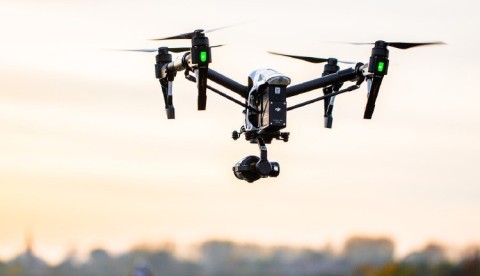
Using Drones in the oil and gas industry enables safe operations and efficient processes. Through unmanned aerial vehicles (UAVs), also known as drones, oil and gas firms are able to boost inspection quality and improve safety. Drones can be used in many oil and gas applications and benefit energy operators. Whether it is for upstream monitoring, or for downstream maintenance, drones are among the most efficient, cost-effective ways to do business in the oil and gas industry.

E-learning: The Advanced Learning Solution for Oil & Gas Corporate Growth

Continuous learning and training for employees in any organization are crucial to encourage competitiveness. The importance of continuous learning has even increased recently, especially in light of the use of advanced technology and the huge amount of data. In the oil and gas, continuous learning is a key factor for boosting developments and raising efficiency.

Pipe Leak Detection: At the Forefront of Asset Protection

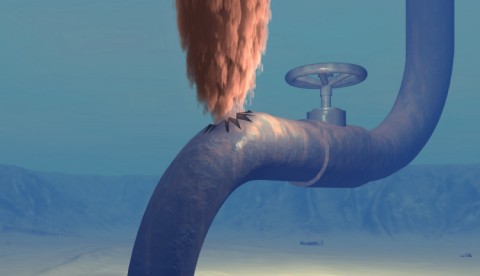
Pipe leaks in oil and gas have been and remain to be one of the most formidable threats to not only businesses, communities, and the natural environment, but to the well-being of the sector itself. Asset protection has become an essential component for the natural gas industry’s economic health, as pipelines and equipment are at the mercy of the elements.

The Impact of Manufacturing Execution Systems (MES) in Oil & Gas Operations

Manufacturing Execution Systems (MES) incorporate manufacturing facilities, operational technologies such as supervisory control and data acquisition (SCADA), and computing systems. Engineers seek methods to monitor and regulate the ongoing operating processes in oil and gas equipment manufacture since the operations are complicated.

From Threat to Asset: Electrochemical Reduction of Carbon

Awareness of climate change and the need for global action is increasingly widespread across the world. Scientists estimate that to mitigate the impacts of the changing climate, humanity must stabilize the atmospheric concentration of carbon dioxide (CO2) at approximately 350 parts per million (PPM).

Hydraulic Jacks Enable Ras Badran Tank Farm

Using synchronized hydraulic jacks, Egypt's Petroleum Projects & Technical Consultations Company (Petrojet) was able to raise the largest floating roof tank, which was awarded the Guinness World Record, for its crude oil storage facility in Sinai. To lift heavy loads that are vital to any industry, operators study the best fitting lifting system in the market. Usually, hydraulic jacks are chosen over normal jacks, for their ability to lift heavier loads to a great height. Hydraulic lifting jacks do not use a huge amount of force, yet they achieve their targets. They have been used in several industries such as oil and gas, mining, construction, automotive manufacturing, and more.

Harnessing Metaverse Technology for QHSE Excellence

In a world where everything is moving closer and closer towards digitalization, the craze for “Metaverse” has taken over all conversations. This new wave of innovation has wet people’s appetite for the power of tools like digital twins, mixed reality, and autonomous systems. Moreover, modern manufacturer views Metaverse applications as the next step toward becoming a safer and productive organization.

Page 5 of 12

Login

Welcome! Login in to your account

Remember me Lost your password?

Lost Password