


Features / Technology

Burning No More: Egypt Turns Rice Waste into Wood

Each autumn, as rice harvests season wrap up in Egypt, a thick blanket of smoke descends over Cairo and the Nile Delta. Farmers, with few disposal options, would set fire to leftover rice straw. The result: a suffocating haze known as the “black cloud.” First reported in 1997, it grew into a national crisis, and by 2017 was responsible for nearly half of the country’s air pollution.

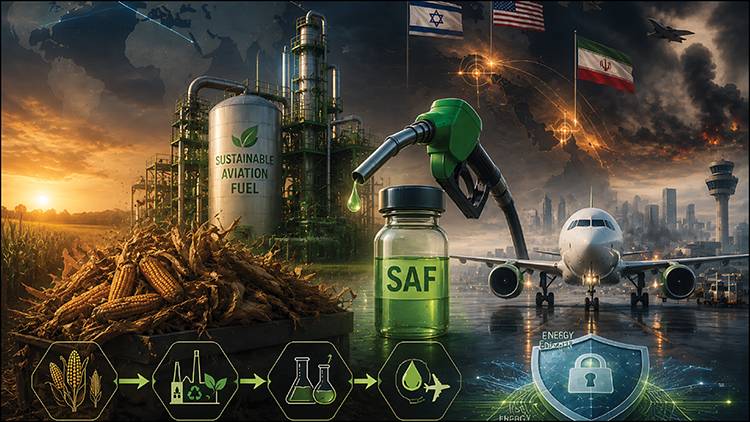
Turning Kitchen Waste into Fuel: Sustainable Breakthrough in Biodiesel Production

In a world still heavily reliant on diesel, across transportation, agriculture, shipping, and power generation, the need for cleaner, more sustainable alternatives is urgent. Fossil fuels not only accelerate climate change, but they also lock developing economies into expensive, finite energy systems.

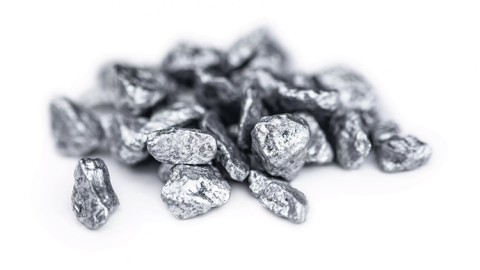
Affordable and Sustainable Extraction: Cooking Oil Turns Electronic Waste into Silver

Silver has long been treasured for its beauty, but in today’s world, its true value lies in its versatility. Silver became widely used in various industries, including catalysts, electric vehicles, energy-saving appliances, medical devices as well as components of modern electronics such as computers, cell phones, and solar panels. Thus, its industrial and commercial scale has surged in recent years, evolving far beyond its traditional use in jewelry and silverware.

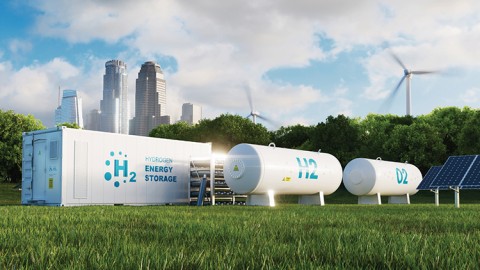
Cryogenic Carbon Capture(CCC): A Game Changer in Blue Hydrogen Production

Amid a growing global demand for a clean energy source, hydrogen stands as a promising alternative to fossil fuels. That is because when burned, it does not emit greenhouse gases (GHG) or pollutants, making it an efficient source for the transportation sector, industrial projects, and power generation.

AI-Powered Workforce: Bridging Demographic Gaps in The Energy Sector’s Race to Net Zero

Given the current global energy demand, companies are redirecting their focus to fossil fuels that are low-carbon and climate-conscious rather than transitioning to renewable energies. However, innovative technologies and digital transformation are essential to maintain a balance while still striving to reach net zero goals. They are utilized to optimize operations, achieve energy efficiency, and ensure energy security, which ultimately reduces emissions. In order to expand their utilization, certain factors must be met, with a skilled workforce being paramount to drive through this process.

Beyond Traditional Methods: Exploring Microbial Enhanced Oil Recovery

In the past years, oil and gas companies sought means to increase production efficiently to address concerns about depleting natural reserves, rising world energy demand, and fluctuating oil prices. In order to optimize production from mature oil and gas fields, Enhanced Oil Recovery (EOR) emerged as a method to extract additional oil from reservoirs after conventional recovery methods, such as natural pressure and water flooding, become less effective. Typically, primary and secondary recovery techniques leave behind a significant portion of the oil in the reservoir; up to 50-70%. EOR was developed to tackle this challenge, improving oil recovery rates and extending the life of reservoirs.

E-nose Technology to Detect Oil Spills

Soil contamination from oil spills is one of the biggest challenges facing oil-producing countries and firms. These spills are often caused during oil extraction and transportation and release volatile compounds that significantly impact the environment and human health.

Revolutionizing Corrosion Control: How the Carrier Line Technique Is Transforming Oil and Gas Production

Corrosion in the oil and gas industry is one of the critical issues that affect production. Along with its impact on the environment, corrosion is also viewed as an uncontrollable issue within current technology, leading to escalating costs associated with equipment replacement, production losses, contamination, and a decrease in the well's operational lifetime.

2024: Pioneering Innovations for A Sustainable Future

Aligning with the global shift in the energy transition, oil and gas companies have diversified their portfolios with a focus on emissions reduction in their operations and increasing their investments in lower-carbon projects.

Harnessing The Power of Sunlight: A Breakthrough in Clean Hydrogen Production Utilizing Photocatalyst

Hydrogen stands out as a promising alternative to fossil fuels, offering a clean, efficient, and sustainable energy carrier for power generation and transportation. Despite its many advantages, the use of hydrogen as a fuel source still poses many challenges, including high production, storage, and transportation costs.

Page 2 of 13

Login

Welcome! Login in to your account

Remember me Lost your password?

Lost Password