- Crude Oil (WTI) 98.94 USD/bbl 2.21%
- Crude Oil (Brent) 111.87 USD/bbl 3.05%
- NYMEX Natural Gas 2.83 USD/MMBtu 0.00%
- OPEC Basket Price 111.29 USD/bbl 0.25%
Kuwait
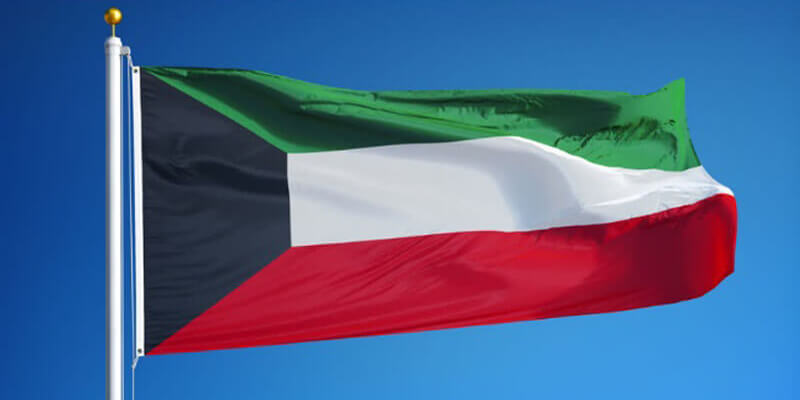
Kuwait Raises Oil Output Above 2 Mmbbl/d Amid Iran War
Kuwait has raised oil production to more than 2 million barrels per day (mmbbl/d) after output fell to nearly zero at the height of the Iran war, Kuwait Petroleum Corporation (KPC) CEO Sheikh Nawaf Al-Sabah said in an interview with Bloomberg on October 22.


renewable energy
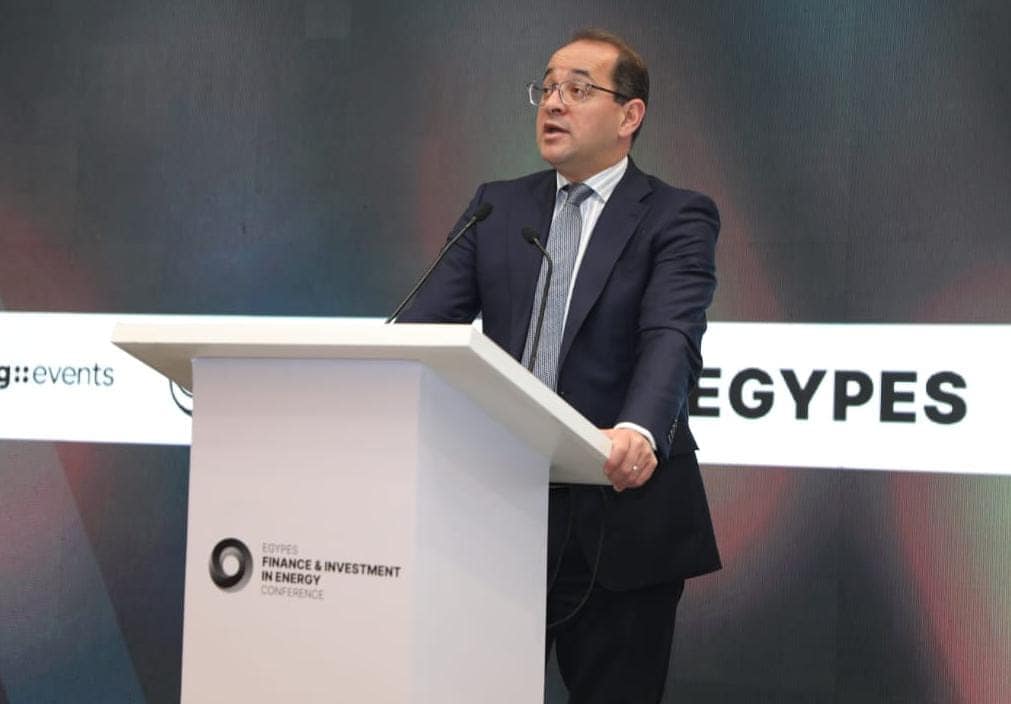
Egypt Says One GW of Renewable Energy Saves $250 Mn in Gas Imports
Egypt’s Finance Minister Ahmed Kouchouk said each additional gigawatt of renewable energy capacity saves about $250 mn in gas imports, as the government seeks to reduce energy costs and strengthen public finances, according to a cabinet statement on October 22.
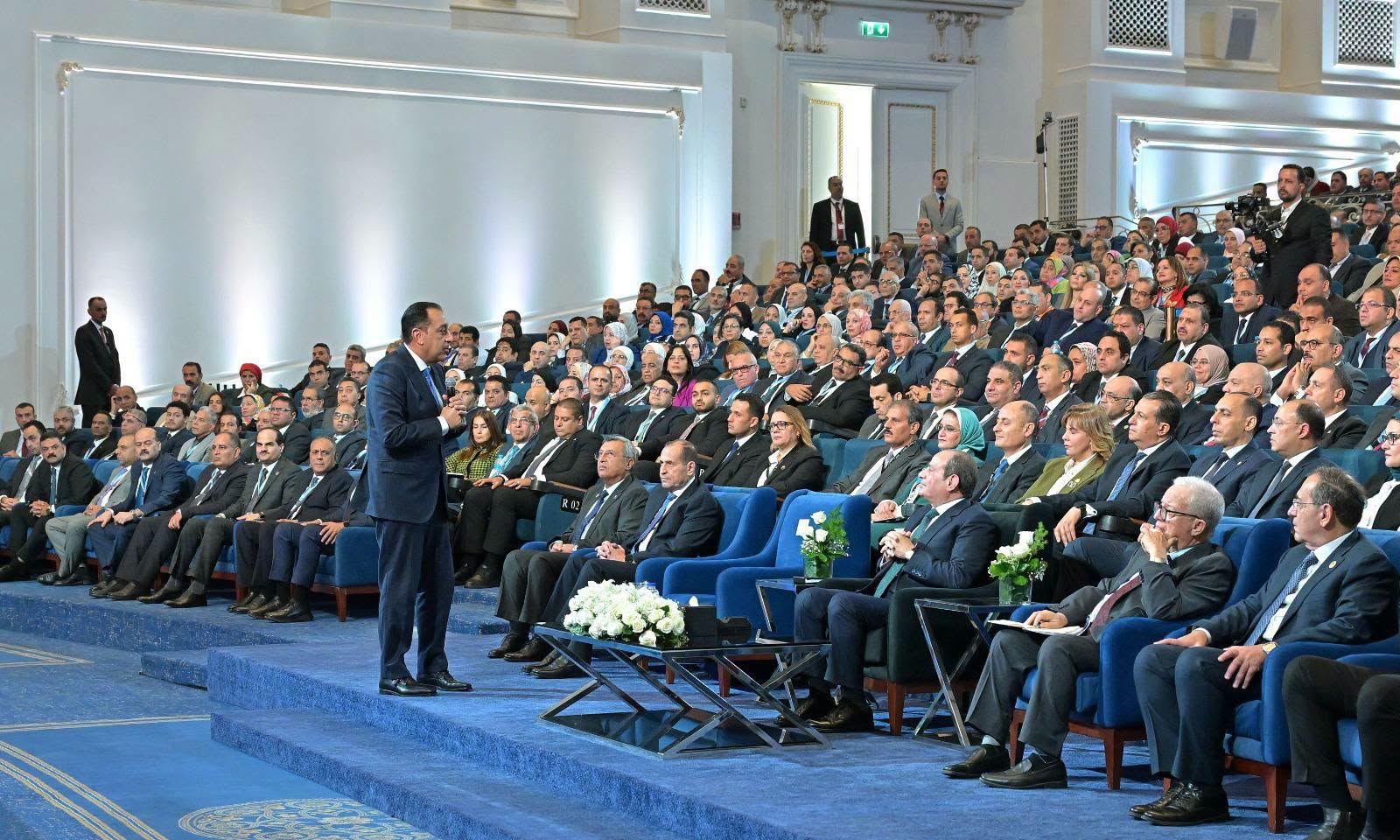
Prime Minister Mostafa Madbouly
Madbouly Outlines Three Measures to Address Rising Oil Prices
Prime Minister Mostafa Madbouly said during the Egypt Forum 2026 that rising oil prices to $110 per barrel leave the government with three options: passing the higher costs on to citizens, absorbing them through the state budget, or to maintain the budget’s existing allocations and purchase petroleum products at higher prices within available resources, according to a Cabinet statement issued during the Egypt 2026 Forum.
EGPC
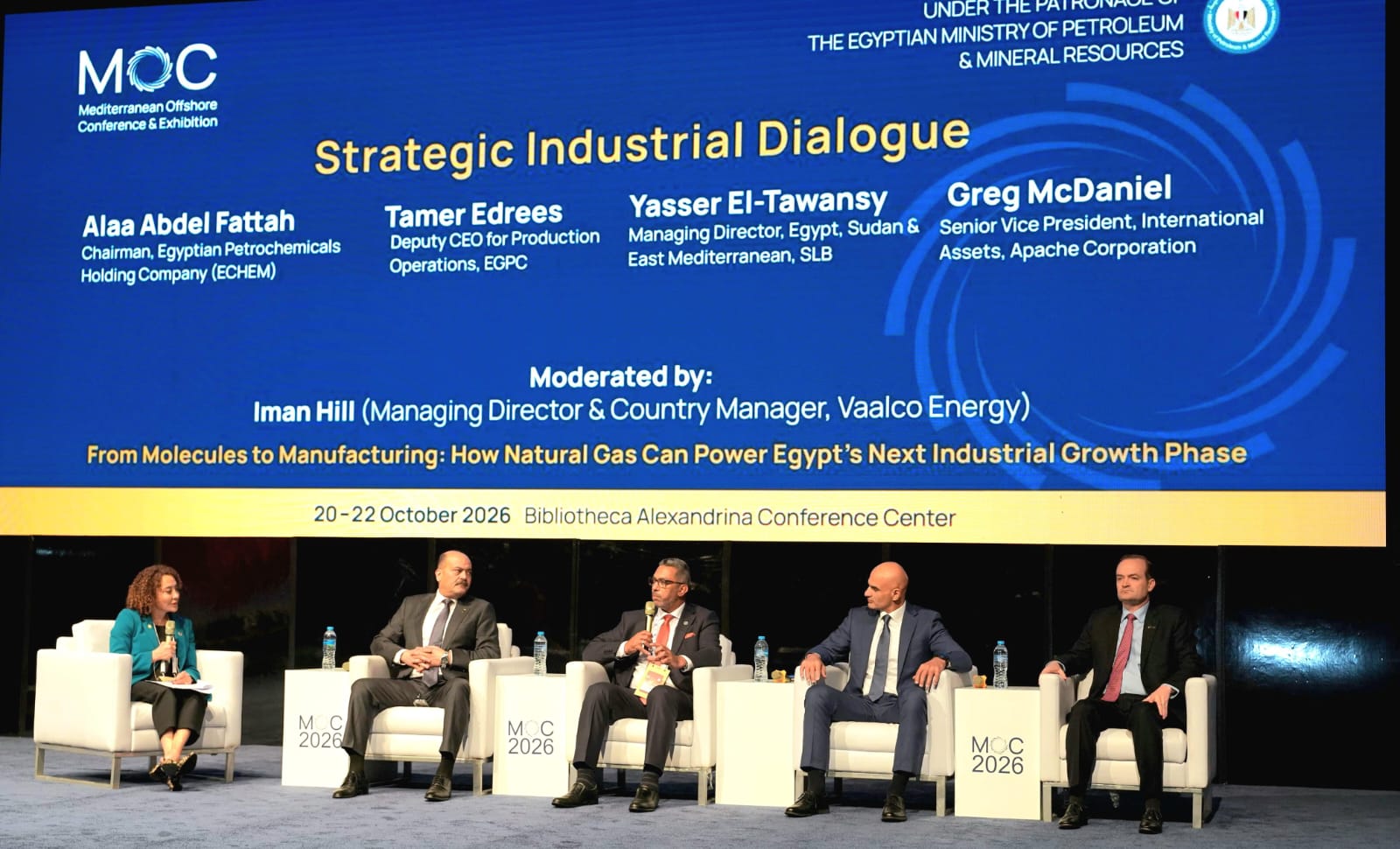
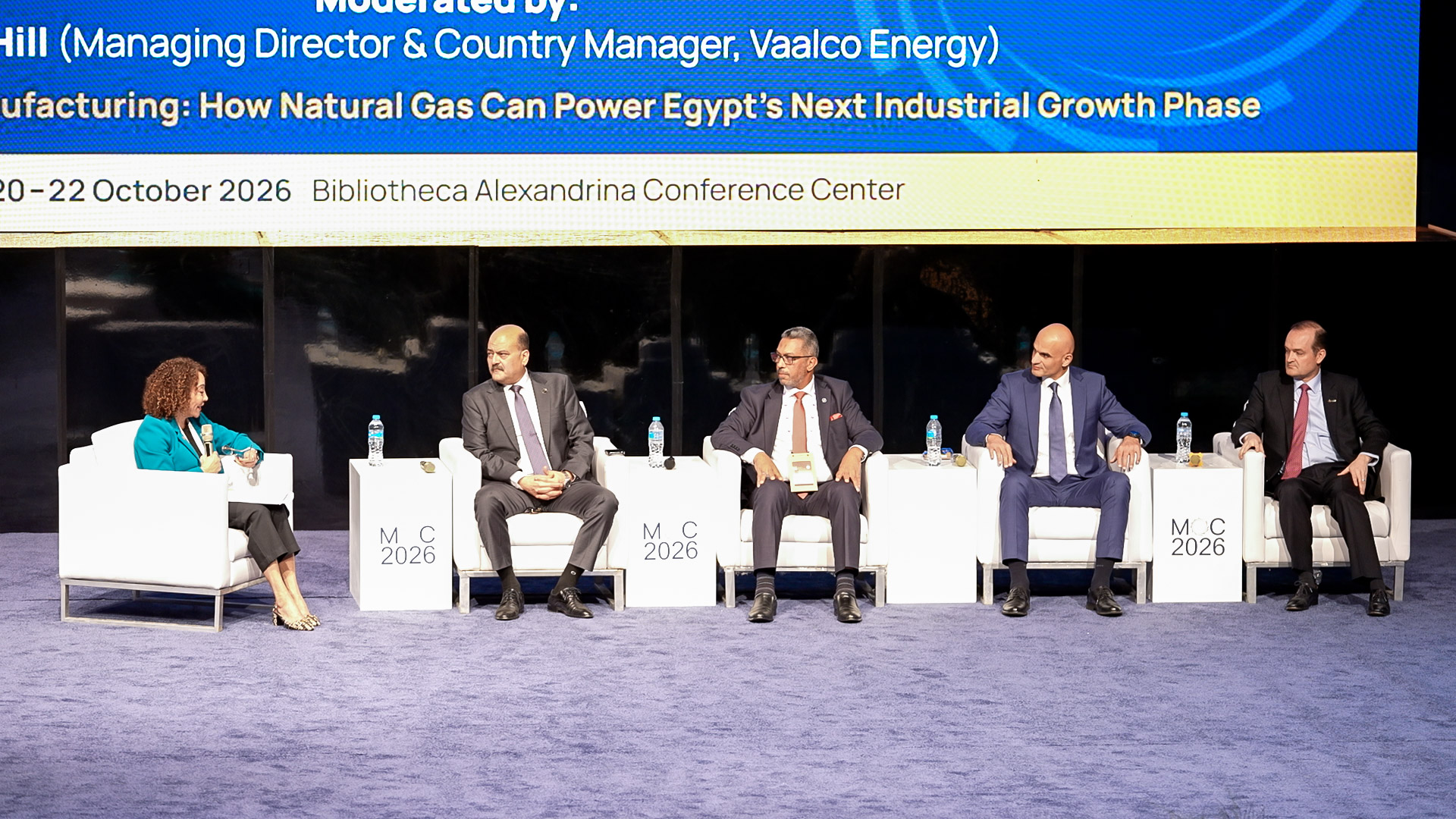
MOC 2026: Petroleum Sector Leaders Outline Plans to Boost Output, and Draw Investment
Senior petroleum officials outlined plans to boost domestic output, reinforce energy security, attract investment, and maximize natural gas value at the Mediterranean Petroleum Conference and Exhibition (MOC 2026). Global and local executives highlighted Egypt’s potential as a regional energy hub, citing advanced infrastructure, strategic location, and opportunities in oil, gas, and petrochemicals. At a session on “Gas in Transition, Salah Abdel Kerim, CEO of the Egyptian General Petroleum Corporation (EGPC), detailed efforts to make Egypt’s petroleum industry more investor‑friendly, raise production, and narrow the supply gap. He said the government is modernizing operations, easing procedures, and offering incentives to keep pace with global changes and draw international partners with strong capital and technology.
Apache
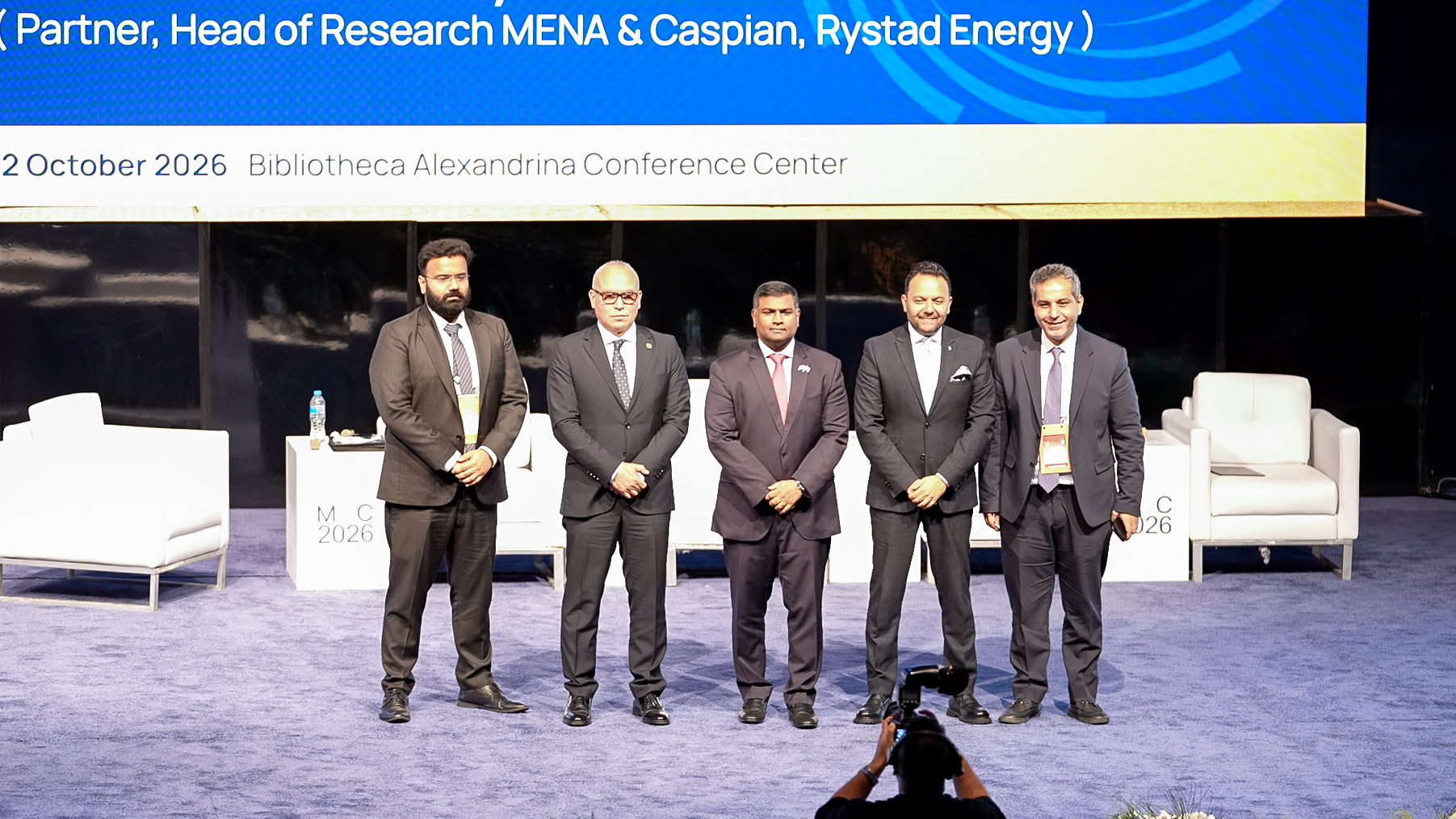
International Energy Majors Highlight Egypt Investment Opportunities at MOC 2026
US-based Apache, US-based Chevron, UAE-based Dragon Oil, French TotalEnergies, Malaysian Petronas, and French-founded global energy technology company SLB highlighted opportunities to expand oil and gas investments in Egypt, citing improved investment terms, the settlement of outstanding payments to international partners, and the potential to leverage existing infrastructure to develop gas resources and increase production.
Oil Prices
IMF Sees Oil Averaging $95.74 in 2026, Easing to $87.39 in 2027
The IMF expects oil prices to average $95.74 per barrel in 2026 before easing to $87.39 in 2027, according to its October 2026 World Economic Outlook (WEO), titled Resilience Under Strain, Urgent Choices. Even with the expected decline, the 2027 average would remain above the pre-war 2025 level of $67.74 per barrel.
Aramco
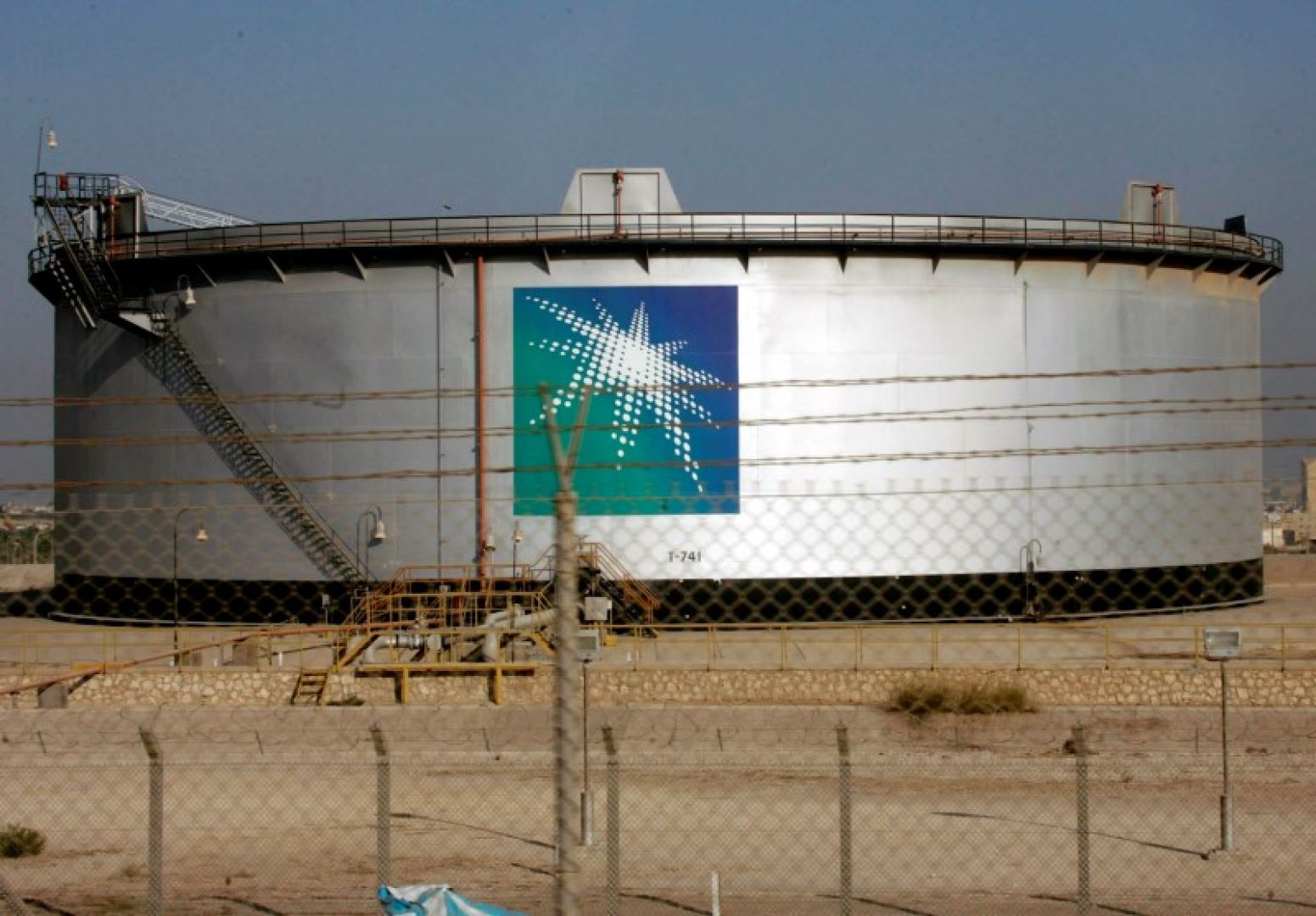
Aramco to Expand East-West Pipeline Capacity to 10 Million bpd, Studies New Export Routes
Aramco is working to expand the capacity of its East–West Pipeline from 7 million barrels per day (mmbbl/d) to 10 mmbbl/d and studying additional export routes to reduce reliance on existing shipping corridors. The engineering work on the projects began in the early days of the US- Iran conflict, Amin Nasser, CEO of Saudi Aramco, told Al Arabiya Business.
MOU
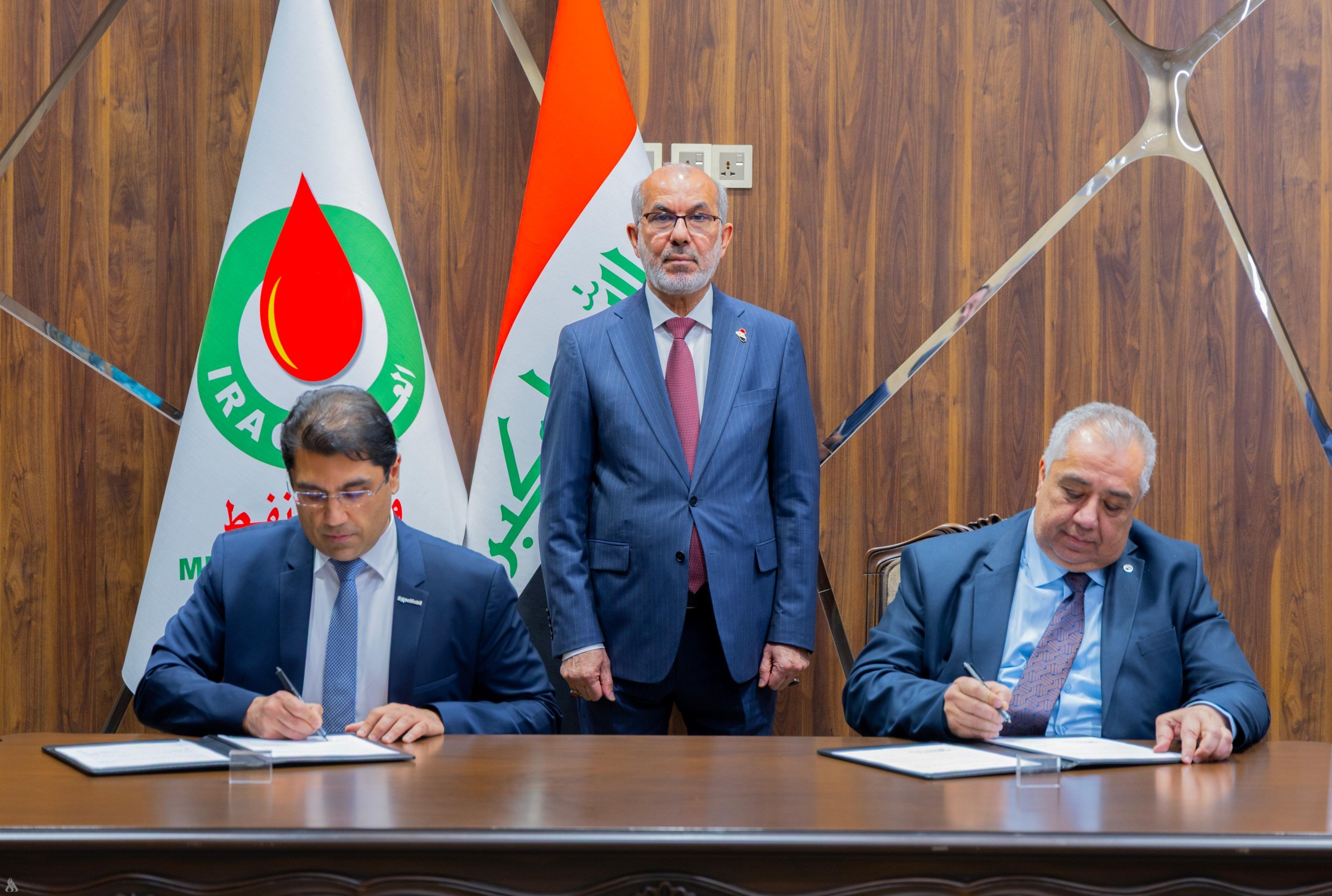
Iraq Signs MoU With ExxonMobil for Second Phase of Seawater Project
Iraqi Basra Oil Company has signed a memorandum of understanding (MoU) with US energy major ExxonMobil for the second phase of a seawater utilization project, according to a statement by Iraqi News Agency (INA).