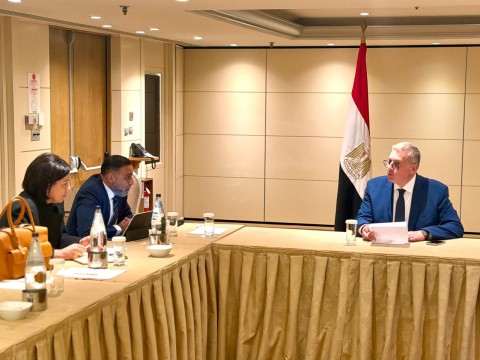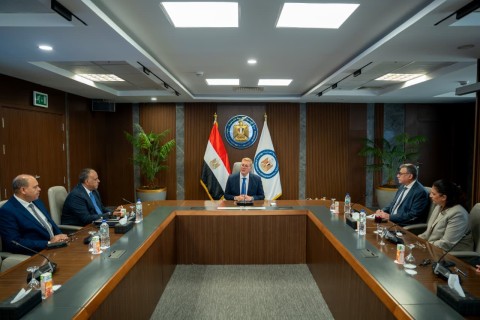
Karim Badawi, Minister of Petroleum and Mineral Resources, reviewed the operational readiness and stability of the national natural gas grid to ensure it can secure the supply needed to cover the needs of power stations and the industrial sector during the summer season.
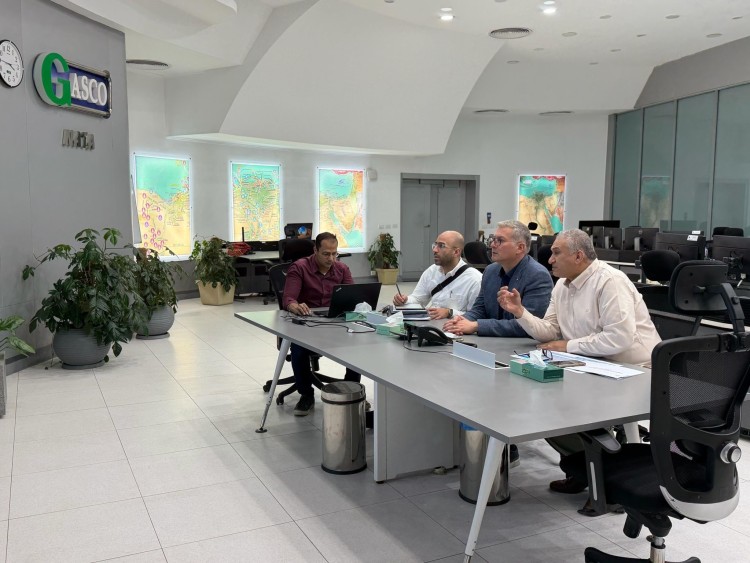
During his visit to the National Advanced Transmission and Automation Center (NATA) at the headquarters of the Egyptian Natural Gas Company (GASCO), Badawi checked the consistency of energy supplies from domestic production, alongside regasification units that inject Egypt’s LNG imports into the national grid, as well as the provision of petroleum fuel required for power stations—supporting supply stability and meeting the needs of electricity generation and the industrial sector.
Badawi affirmed that operations are being carried out according to proactive scenarios prepared to address any change in consumption rates. This is achieved through continuous coordination and integrated work with Mahmoud Esmat, Minister of Electricity and Renewable Energy, and the teams from both ministries.
The Minister highlighted that last summer’s successful experience, when a record consumption of 40,000 megawatts of electricity was met, demonstrated the importance of early planning and integrated cooperation among state sectors to secure the energy and fuel needs of citizens, as well as service and production sectors.
During the visit, Badawi discussed with Mohamed Marzouk, Chairman of GASCO, the status of operating the national gas grid and preparations for the coming period, particularly with the official start of summer next month.
NATA is a Supervisory Control and Data Acquisition (SCADA) control system, which is used for the management and operation of the national gas network by GASCO. GASCO’s SCADA control system consists of 12 control workstations and a standby control centre in Suez to monitor and assist NATA in managing and operating the national gas network.