Features / Research & Analysis





ARAMCO’S INITIAL PUBLIC OFFERING
Saudi Arabia has set up plans to sell Aramco’s shares by most likely the second half of 2018. The state-owned oil company, the world’s top exporter of crude oil and natural gas liquids, will be publicly listed both in Saudi Arabia and abroad, and its initial public offering (IPO) is expected to be the biggest one ever recorded.
Through IPOs to Larger Acquisitions
In quest for larger capital amidst financial instabilities in the global oil and gas industry, companies resort to different mechanisms to acquire necessary funds to expand their businesses. One way to do so is to opt for Initial Public Offerings (IPOs). This global trend has opened a number of state-owned oil and gas firms to the privatization structures and private companies themselves then take this as a first step to increase their pool of acquisitions.

BENEFITS OF FARM-OUT DEALS
The current global oil price environment has challenged both large and smaller players in the market to accommodate the financial, operational, and legal challenges they face. The low crude prices led to a range of new deals, in which oil and gas companies evaluated the sustainability of the existing and new projects in the long term and in many cases opted for farm-outs.

CHALLENGES OF FARM-OUT AGREEMENTS
Unlike micro-businesses, oil and gas projects are established upon long term cycles, taking the operators many years to fulfill. The existence of recoverable reserves acts as an obsolete uncertainty to the petroleum industry, particularly in the exploration and production phase.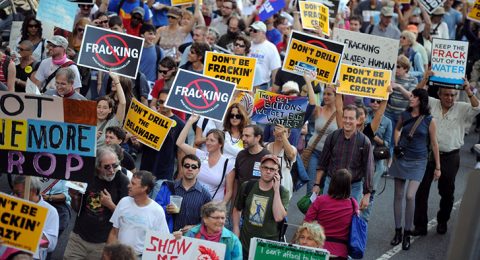
ENSURING A SOCIAL LICENSE IN UNCONVENTIONAL DRILLING
Many countries are lining up their efforts to come up with new ways of gas production in a world that highly depends on energy. The successful development of world’s vast unconventional gas hinges critically on the advanced methods used. Yet, easily overlooked are the social risks brought about by drilling in unconventional areas.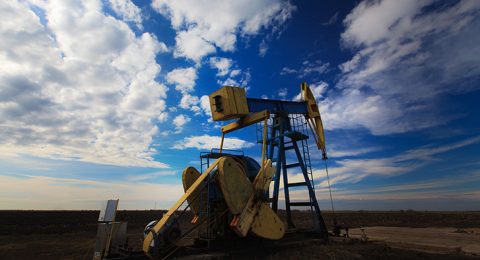
THE ENVIRONMENTAL DILEMMA OF THE UNCONVENTIONALS
As many oil and gas fields are starting to be affected by the decline in the natural production ratio and they are coming closer to reaching their maturity, oil and gas investors are beginning to operate in the unconventional oil and gas resources. Shale oil and gas, oil sands, and tight oil and gas have a large economic potential.
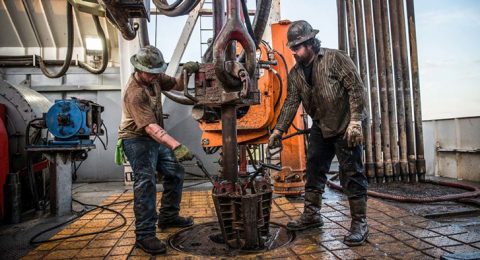
BRIGHT ECONOMICS OF UNCONVENTIONAL OIL AND GAS
Unconventional oil and gas activities worldwide are reshaping energy futures and bringing significant benefits to the economies in terms of jobs, government revenues, and GDP. Yet, concerns about the economic viability of unconventional oil and gas have been on a rise since the initial pursuit of these resources.
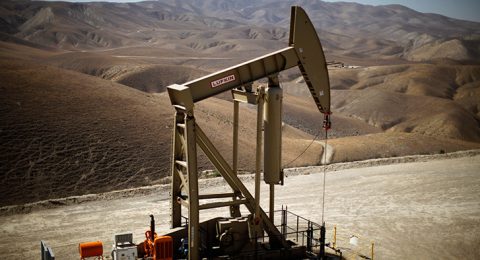
UNCONVENTIONALS PIVOTING GLOBAL OIL OUTPUT
Unconventional sources of oil and gas strongly affect production levels and drastically change prospects on global energy markets. The increase of oil revenues after the unconventional revolution in the United States and elsewhere in the world clearly pictures this impact.