Features / Research & Analysis





SOCIAL LICENSE AND OIL INDUSTRY NEXUS
Oil and gas companies’ operations have often sparked the rage of the public protesting against damage that they caused to their environment. This has on myriad of occasions shaken the legitimacy of fossil fuel players. Energy companies have, therefore, found it essential to adopt corporate social responsibility (CSR) projects and initiatives in efforts to secure a ‘Social License’ within local communities and thus accommodate local, national, and international criticism.
Perplexities of Ditching Offshore Projects
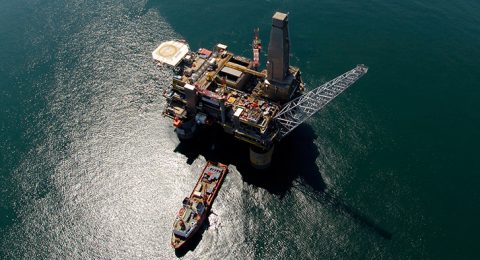
Offshore drilling has been full of booms, busts, baulks, and boondoggles. Along with onshore exploration, countries of the Middle East, Africa, North America, and Asia have resorted to drilling in deep waters to boost oil production and to meet domestic as well as international demands.
UPSTREAM Sector’s Strategy for SURVIVAL
By Basma Mostafa The entire oil and gas industry was shaken to the core, when oil prices began tumbling in mid 2014 after trading above $100 a barrel, but it was the upstream sector that bore the brunt of the dramatic price drop worst.
EYES ON DIGITAL TECHNOLOGY. THE FUTURE IS NOW.
Investment is somehow one of the most controversial aspects in companies’ lives. Through in-vestments, companies are expanding something tangible without quite knowing what the result will be, trying to make an educated bet, with the hope of eventually collecting a payout. But how much will a company receive in return, and when?
PROMISING INVESTMENT OUTLOOK FOR MENA
Despite the challenges of low oil prices, uncertain economic outlooks, and regional instability, the Middle East and North Africa (MENA) energy sector boasts many exciting investment projects.The region can anticipate almost $900 billion in energy sector investments over the next five years, according to the Arab Petroleum Investments Corporation (APICORP).
NORWEGIAN Lesson in Gas Flare Elimination
Routine gas flaring is a dramatic example of what should urgently be eliminated. There is no benefit to it from the monetary point of view, except in a rare number of cases. Given an enormous dimension of the problem, could routine gas flaring really end? Is it an issue of willingness, financing, or knowledge?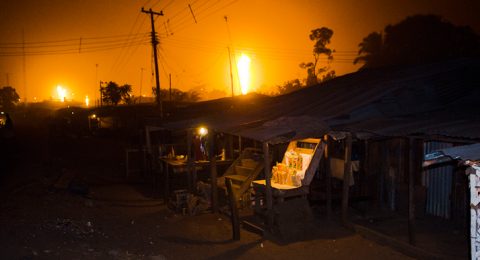
Nigeria’s Unfulfilled Gas Flare Targets
Nigeria is an eloquent example of a gas flaring paradox. While exerting efforts in stopping routine gas flaring for decades, an end to this practice seems to be still distant for the country. It seems that Nigeria is taking one step forward and two steps back.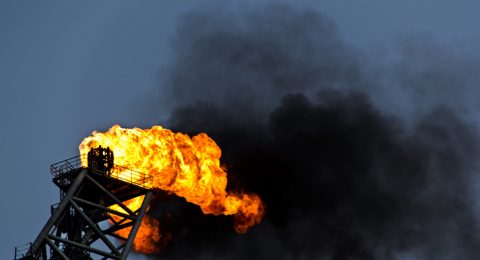
Fading Environmentally Destructive Flames
Gas flaring, a long-standing practice in the oil and gas industry, has come under harsh criticism. It not only wastes valuable resources and billions of dollars annually, it also has a severe impact on the environment. Efforts to curb gas flaring around the world are slowly gaining support, and if pursued efficiently, the end of this practice, harmful to our health, may come true by the envisioned 2030.