


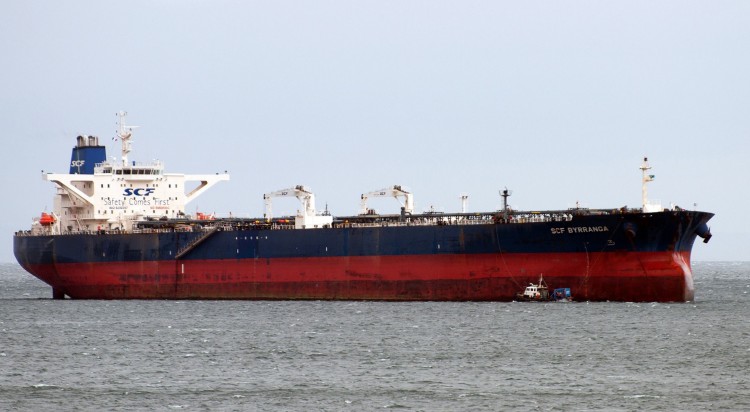

Nigeria Reduces Oil Production by 23%
Nigeria, Africa’s top crude exporter, has curtailed oil production by 23% to bring the country in line with the Organization of the Petroleum Exporting Countries (OPEC) production cuts.
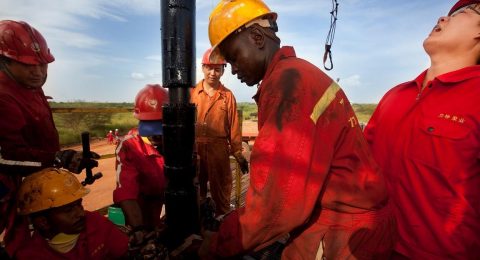
Nigeria, Africa’s top crude exporter, has curtailed oil production by 23% to bring the country in line with the Organization of the Petroleum Exporting Countries (OPEC) production cuts.

The Organization of the Petroleum Exporting Countries (OPEC) has dramatically cut its expected forecast for global oil demand this year, citing that this upcoming quarter will see the steepest decline.
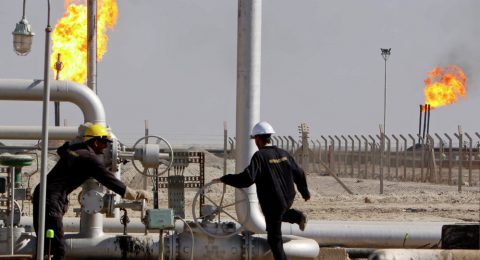
Iraq has announced that it will only cut production by 700,000 barrels per day (bbl/d), a third less than the required amount from the OPEC+ supply pact, after international oil companies (IOC) rejected further cuts.

The Sultanate of Oman’s average daily exports of Oman Blend crude oil in April was down 2.41%, totalling 894,139 barrels of oil per day (bbl/d).

Prince Abdulaziz bin Salman bin Abdulaziz, the Minister of Energy, and the Minister of Energy for the Russian Federation Alexander Novak are in constant contact on the developing oil market situation.
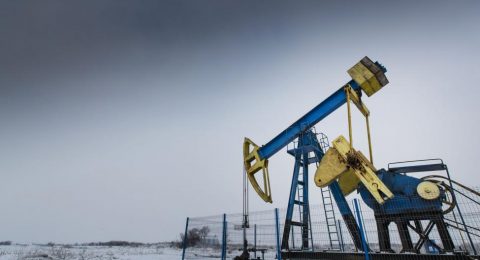
Russia’s top producing oil region in Western Siberia is expected to cut production by 15% in line with the OPEC+ cuts.

Saudi Aramco, the world’s largest oil exporting company, announced that it will maintain its promise to deliver its $18.75 billion dividend payout Q1 even though the company recorded 25% drop in profit.

Kazakhstan’s Minister of energy, Nurlan Nogayev, reported that Kazakhstan had produced 31.3 million tons of oil between the months January-April, which amounts to 102.6% of the production plan.

Brazil’s State owned oil company Petrobras has announced the discovery of a 208-meter reservoir containing high quality oil in the Buzios oilfield.
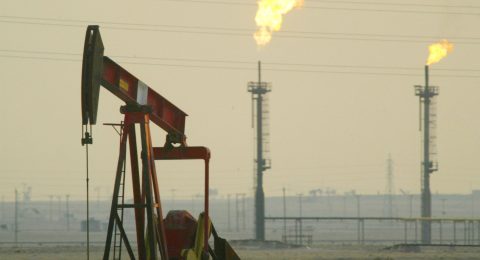
Kuwait’s oil minister, Khaled Al-Fadhel, announced that Kuwait will support the Kingdom of Saudi Arabia’s efforts to restore stability to oil markets by cutting production by 80,000 barrels per day (bbl/d).