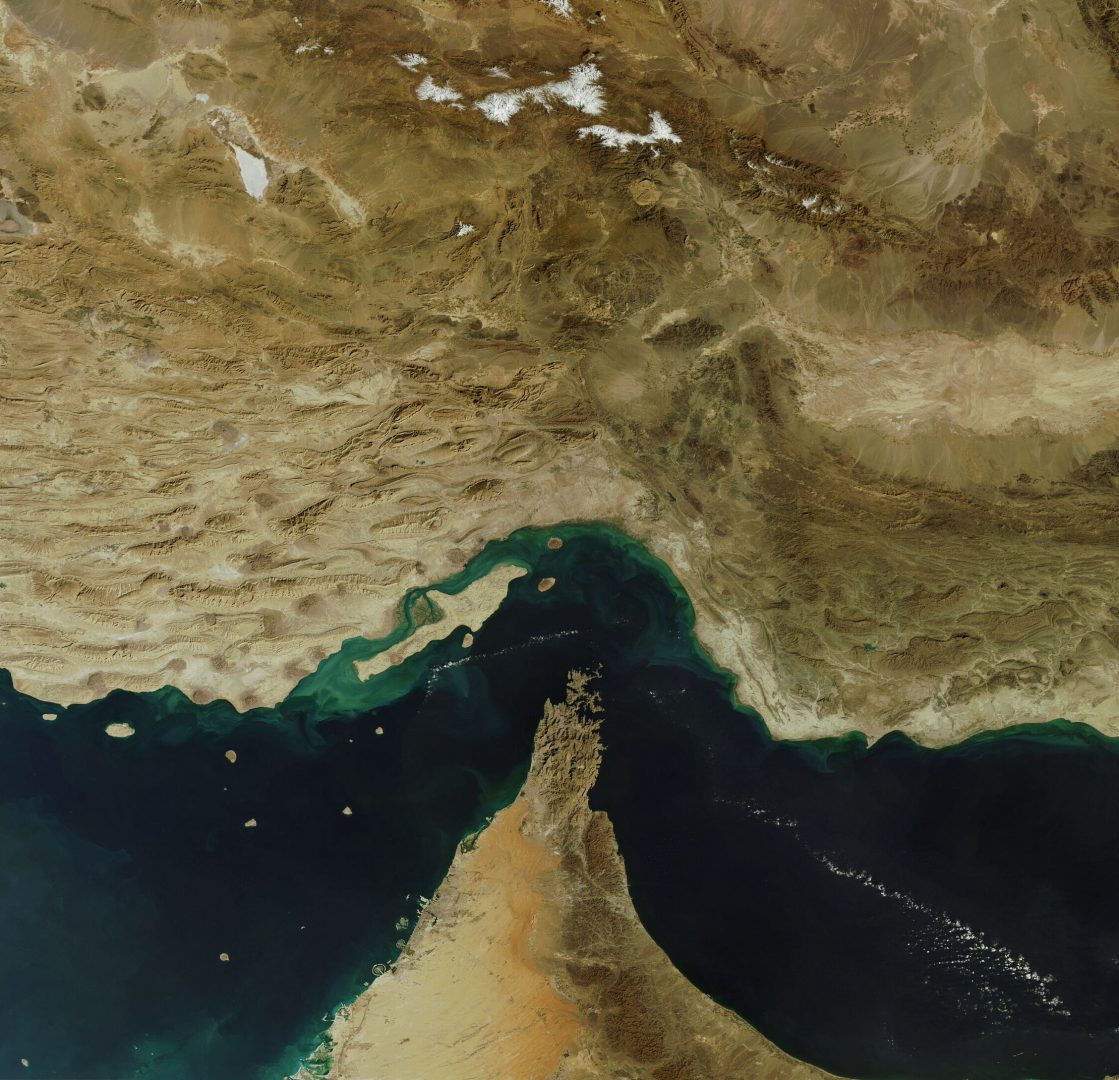
Qatar’s Prime Minister Sheikh Mohammed bin Abdulrahman al‑Thani stressed that establishing a direct hotline between the US and Iran is vital to prevent rogue actors from obstructing efforts to reopen the Strait of Hormuz, adding that the Gulf state expects to restore normal liquefied natural gas (LNG) output “within a few weeks”.
Sheikh Mohammed told the Financial Times that the hotline agreed during the Swiss talks was essential to counter “disinformation” and to ensure coordination as mines are cleared from the vital waterway.
He cautioned that a key risk was the ease with which anyone who just wants to cause disruption could exploit shipping communications to issue false warnings to vessels, such as: “‘Go back, we are going to fire, we are the IRGC [Iran’s Revolutionary Guards]’.”
“That’s what we are getting sometimes,” said Sheikh Mohammed, one of the lead mediators. “So, the hotline’s purpose is to make sure that any ship that gets any type of threat is to be verified by Iran . . . and to let the ship pass safely.”
Reopening the Strait lies at the heart of the interim accord signed last week by the warring parties, and of US President Donald Trump’s bid to ease the global energy crisis.
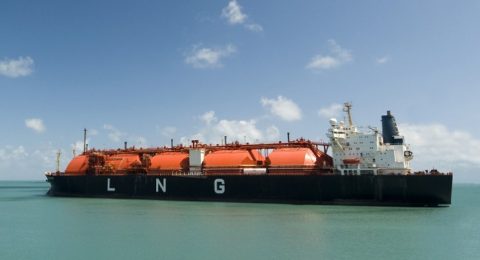
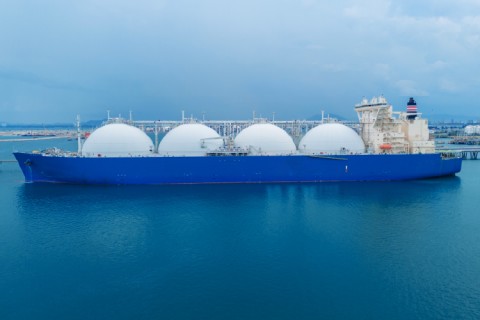
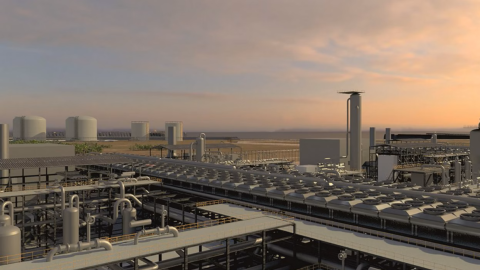
Sheikh Mohammed said Qatar, the world’s second‑largest LNG exporter, whose facilities were struck by Iran in the war’s early weeks, has already begun preparing its tankers following the memorandum of understanding (MoU) signed by the warring parties last week.
“Within a few weeks, production will come back to normal, except the damaged facility,” Sheikh Mohammed said. “Our teams have been mobilized already for a few weeks. QatarEnergy is preparing for operations to come back to normal as soon as the situation in the strait normalizes.”
Sheikh Mohammed cautioned that state‑owned QatarEnergy would only lift its force majeure “once the company sees they have addressed all the issues, and it’s safe to operate”.
QatarEnergy declared force majeure to its clients and announced that plans to expand production capacity at the vast North Field gas project, from 77 million to 126 million tons annually by 2027, would be pushed back.
Missiles launched in a subsequent Iranian strike on Ras Laffan in March inflicted severe damage on facilities responsible for about 17% of Qatar’s LNG output. QatarEnergy has warned that repairs could take as long as five years.
Under the MoU signed with the US last week, Iran was expected to begin gradually reopening the Strait of Hormuz without imposing tolls on vessels, with mine‑clearing operations scheduled for the first 30 days of the extended ceasefire.
On June 20, Iran’s Revolutionary Guards announced the renewed closure of the waterway in retaliation for Israeli strikes on Hizbollah, its key proxy in Lebanon, a move that underscored the fragility of the interim deal.
Sheikh Mohammed maintained that the Strait remained open, noting that when mediators sought clarification from Iranian officials, they were assured no order had been issued to close it.
Meanwhile, Reuters reported that three stranded supertankers transited the Strait of Hormuz on Tuesday, while seven empty Qatar‑linked LNG carriers have entered in recent weeks — an early indication that Gulf gas shipments may be resuming, according to ship‑tracking data.
The first round of talks, which opened on Sunday and wrapped up a day later, ended with both sides agreeing on a roadmap toward a permanent accord within 60 days.