The White House is expected to extend a temporary waiver of the century-old Jones Act in the coming days as part of efforts to curb US gasoline prices, Reuters cited sources familiar with the matter, while President Donald Trump intensifies pressure on ExxonMobil and Chevron, accusing the oil majors of earning “enormous profits.”
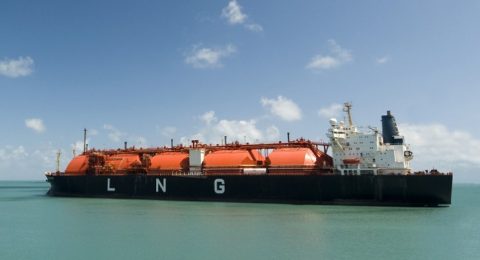
The Jones Act requires goods transported between US ports to be carried on vessels that are built in the US, owned by US companies, and crewed by American mariners. The temporary waiver is intended to increase shipping flexibility, ease transportation bottlenecks, and help lower gasoline prices.
The oil industry had expected the waiver to be extended through the end of July. However, administration officials continued discussions with maritime industry representatives and lawmakers over possible changes that would narrow the scope of the exemption while preserving flexibility for transporting critical fuel supplies, according to three sources familiar with the talks.
The current waiver is set to expire on August 16 and has already become the longest suspension of Jones Act shipping requirements under the program. The US government data show the waiver was used nearly 200 times during the four-and-a-half months through the end of July.
The move comes as the Trump administration faces mounting pressure to reduce gasoline prices, which currently average more than $4 per gallon across the United States ahead of November’s congressional midterm elections.
The administration has already introduced measures to boost oil supplies and provide regulatory flexibility. On August 4, Trump escalated his criticism of ExxonMobil and Chevron, saying the companies should return more of their profits to consumers through lower prices at the pump.
Speaking to reporters in Brownsville, Texas, on Tuesday, US Energy Secretary Chris Wright said the waiver had helped reduce energy prices in California and along the East Coast and was likely to be extended again. He added that fuel prices are expected to decline further in the coming weeks.
Responding to Trump’s remarks, Wright said, “President Trump believes in markets, and he believes in capitalism. But he’ll use every tool he has, including the bully pulpit, to try to encourage and put pressure to lower energy prices for Americans.”
Opponents of the extension are demanding stricter shipment scrutiny and geographic boundaries. High-level talks involving White House trade adviser Peter Navarro, OMB Director Russell Vought, and the Energy Dominance Council are underway, but sources caution that nothing is finalized yet.