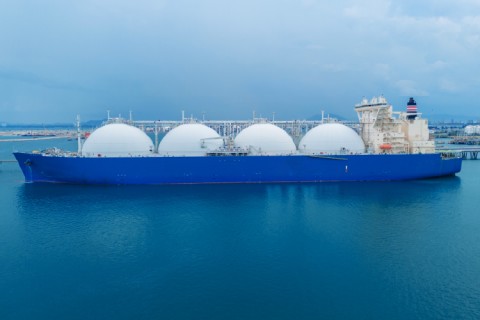
Europe’s liquefied natural gas (LNG) imports fell 13% year-on-year (YoY) to 21.52 million metric tons (mmt) during the third quarter (Q3) of 2026, down from 24.73 mmt in Q3 2025, according to a report published on October 16 by Attaqa’s energy research unit.
The decline amounted to 3.21 mmt, with the Netherlands, France, and Italy accounting for more than 51% of the continent’s total LNG imports during the quarter.
European LNG imports also decreased 3% YoY to 87.37 mmt during the first nine months of 2026, compared with 89.96 mmt in the same period of 2025.
Monthly imports recovered gradually during Q3, rising from 6.17 mmt in July to 7.54 mmt in August and 7.80 mmt in September. July’s volume marked the lowest monthly level since September 2021, when imports reached 4.90 mmt.
On an annual basis, imports fell 29% in July before increasing 1.5% in August and declining 9% in September.
The quarterly trend also showed a reversal in import growth. European LNG imports increased 11% YoY to 39.65 mmt in Q1 2026, before falling 10.5% to 26.20 mmt in Q2 and declining further in Q3.
Attaqa’s energy research unit attributed the Q3 contraction to competition with Asian buyers for spot LNG cargoes amid a sharp decline in Qatari supplies linked to the Strait of Hormuz crisis. Qatar’s continued force majeure on deliveries to Asian and European markets through November also contributed to tighter supply availability, while the US share of European LNG imports rose to nearly two-thirds.
The Netherlands remained Europe’s largest LNG importer in Q3, despite a 16% YoY decline to 3.82 mmt. France ranked second with 3.63 mmt, down 11%, while Italy placed third with 3.62 mmt, up 2.5%.
Europe entered the winter season with gas storage facilities approximately 73% full as of October 7, below historical levels. The European Commission said the region’s infrastructure could accommodate higher LNG imports to help compensate for lower storage levels, although winter demand and global supply availability remain key factors affecting market conditions, according to its October 8 assessment.