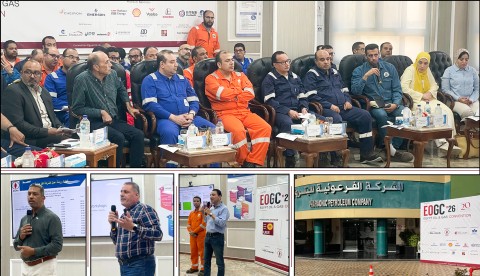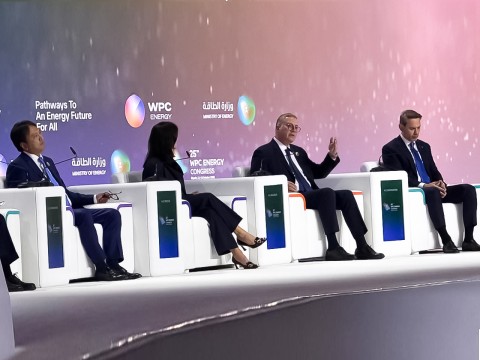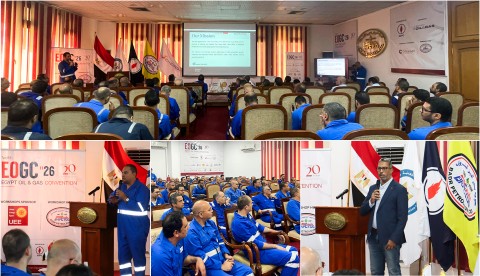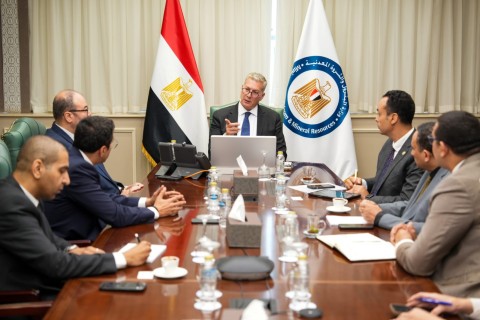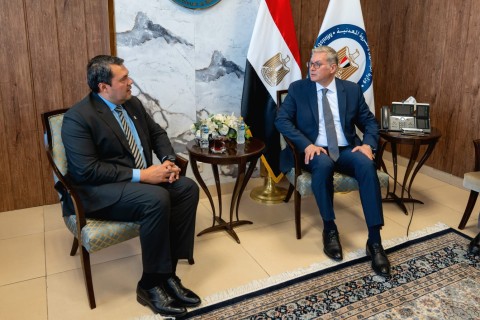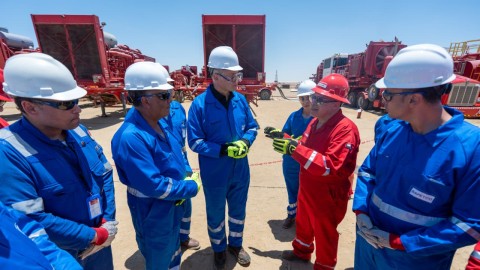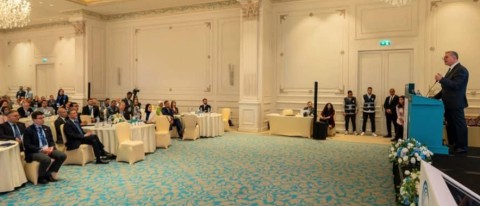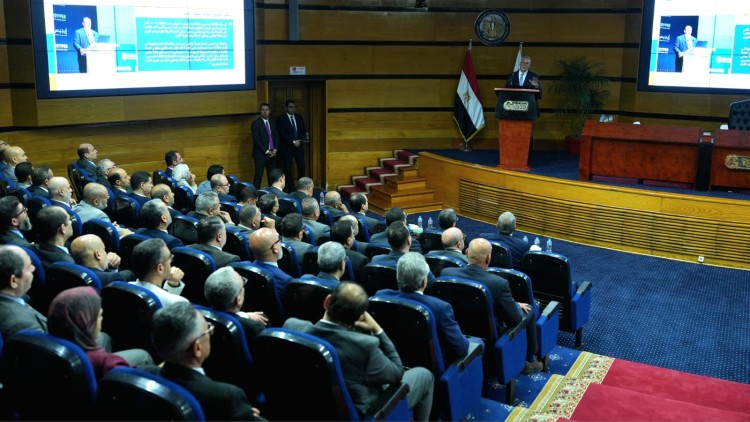
In a high‑level meeting with senior executives from oil and gas companies, Petroleum and Mineral Resources Minister Karim Badawi announced plans to deploy horizontal drilling and hydraulic fracturing techniques to boost output.
Badawi confirmed the ministry’s readiness to apply these advanced technologies after establishing a favourable investment climate and introducing new incentive schemes for exploration and production firms.
Badawi highlighted these technologies’ proven success in boosting production in other countries. Horizontal drilling is a technique in which wells are drilled laterally within rock formations to maximize contact with reservoirs, thereby increasing hydrocarbon recovery. Hydraulic fracturing, meanwhile, is a well stimulation process that injects high‑pressure fluid into rock formations to create fractures, allowing petroleum and natural gas to flow more freely.
The Egyptian General Petroleum Corporation (EGPC) is preparing a new incentive scheme to encourage investment in these technologies, according to Badawi, who added that the ministry has also finalized modern contractual systems with service and drilling companies. The new systems aim to reduce time and costs, accelerate execution, and streamline procedures, thereby supporting plans to boost production. to facilitate implementation.
The minister emphasized that clearing arrears and maintaining regular monthly payments have removed one of the sector’s biggest investment challenges. This was achieved alongside new contractual frameworks designed to reduce costs, accelerate execution, and streamline procedures, thereby supporting production growth.
The Ministry of Petroleum and Mineral Resources (MoPMR) has reduced arrears from about $6.1 billion in June 2024 to $1.3 billion today, with full settlement expected by June 2026.
On immediate priorities, Badawi stressed the need to maximize output from existing fields ahead of the summer season through optimal reservoir management, while accelerating exploration to add new reserves. He pointed to positive results from the “Denis West” well in Port Said, which holds estimated reserves of 2 trillion cubic feet (tcf) of natural gas.
Global market conditions were also addressed, with the minister noting that crude oil prices have risen from around $62 to nearly $100 per barrel, while liquefied natural gas import costs have increased from $11–13 per million British thermal units (mmbtu)to about $20.