The Egyptian Cabinet approved a draft law that cancelled the exemption of natural gas from the value-added tax (VAT), making it subject to a table tax of EGP 20 per 1,000 cubic feet (cf). This comes as part of a wider plan to increase state revenues and widen the tax base.
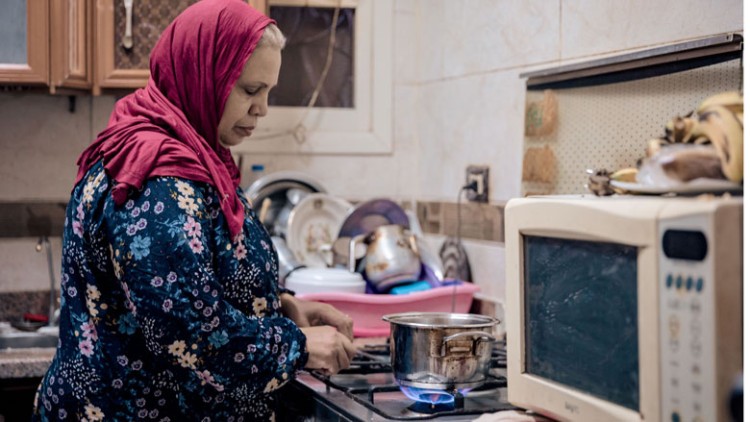
The Egyptian Tax Authority (ETA) clarified that the tax amendments -to be referred to the parliament for review- will not result in higher household gas prices or impose additional financial burdens on consumers.
Rasha Abdel Aal, Head of the ETA, explained in a statement that the proposed amendments are directed at the entities responsible for purchasing and selling natural gas. According to the amendment, these entities will be legally required to pay and remit the scheduled tax to the Ministry of Finance. She explained that the purpose of these changes is to regulate and enhance tax collection mechanisms in accordance with the prevailing legal and regulatory frameworks.
Both the Ministry of Finance and the ETA are committed to implementing tax reforms in line with international best practices, while safeguarding economic and social stability. This commitment encompasses simplifying and modernizing tax systems and enhancing the quality of services provided to taxpayers, according to Abdel Aal.
Abdel Aal stated that the modernization of the tax system is designed to improve collection efficiency; streamline procedures; and foster economic activity, without imposing new burdens on citizens or raising the cost of essential services.
Ahmed Kouchouk, Minister of Finance, noted on June 1 that fiscal year (FY) 2026/27 will witness the implementation of new packages of tax reform aimed at reducing obligations and compliance burdens for both citizens and investors.
This comes as the International Monetary Fund (IMF) highlights the strategic importance of tax reform for Egypt. “Strengthening fiscal sustainability requires sustained domestic revenue mobilization alongside a comprehensive debt management strategy. Key priorities include broadening the tax base by reducing exemptions, particularly in VAT, and strengthening tax compliance to create space for priority development and social objectives,” said Nigel Clarke, deputy managing director of the IMF, on the fifth and sixth reviews of Egypt’s $8 billion loan.