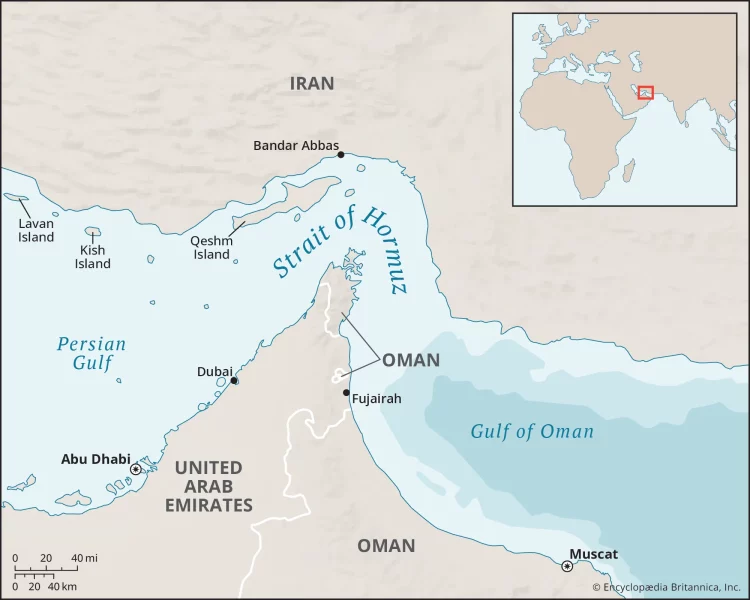
The Abu Dhabi National Oil Co. (ADNOC) exported at least 6 million barrels (mmbbl) of crude oil through the Strait of Hormuz in April, using dark shipping tactics to evade Iranian attacks, according to Reuters. This maneuver allowed the United Arab Emirates (UAE) to move significant volumes of crude that had been bottled up in the Gulf due to the ongoing regional conflict, according to industry sources and satellite data from the global trade intelligence firm Kpler and the satellite intelligence firm SynMax.
ADNOC’s Logistics and Services unit successfully exported 4 mmbbl of Upper Zakum crude and 2 mmbbl of Das crude on four tankers while operating with Automatic Identification System (AIS) transponders disabled. This tactic, typically used by sanctioned nations to avoid detection, reflects the heightened risk profile the UAE and international buyers are assuming to maintain global supply as oil prices exceed $100 a barrel.
Upper Zakum is a Medium-Sour grade produced from the massive Upper Zakum offshore field, which is one of the largest in the world. Das Crude is a Light-Sour blend. Unlike Upper Zakum, which comes from one field, Das is a blend of production from several offshore fields, including Lower Zakum and Umm Shaif.
The increase in risky transits reflects a strategic divergence among Gulf producers; while Iraq, Kuwait, and Qatar have largely halted sales or slashed prices, ADNOC is leveraging ship-to-ship (STS) transfers outside the Gulf to accelerate turnover. In one instance, a cargo of Upper Zakum was broken up and sold to a Northeast Asian refinery at a record premium of $20 a barrel over ADNOC’s official selling price (OSP).
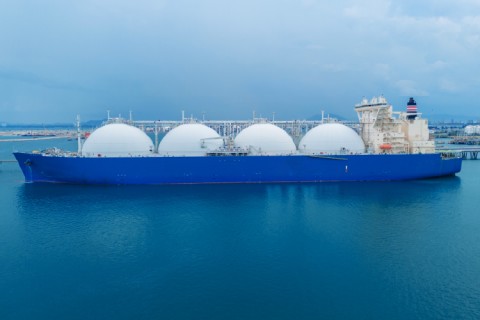
Operational risks were underscored when the UAE accused Iran of using drones to attack the Barakah, an empty ADNOC tanker. Despite these threats, ADNOC has notified customers of plans to continue May loadings via STS transfers at ports outside the Gulf, including Fujairah and Sohar, Oman.
Since the onset of hostilities on February 28, ADNOC has been forced to cut exports by more than 1 million barrels per day (bbl/d) from its previous 3.1 million bbl/d average. While the majority of its Murban grade is insulated by the onshore pipeline to Fujairah, the successful transit of Gulf-loaded grades like Upper Zakum remains critical to the UAE’s ability to capitalize on untapped market premiums during the current supply squeeze.