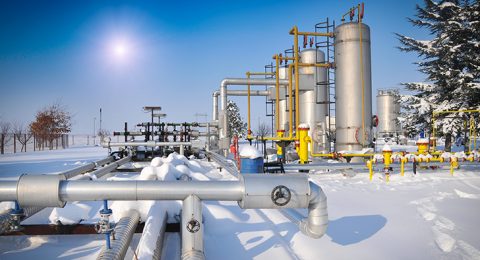
Features / Research & Analysis


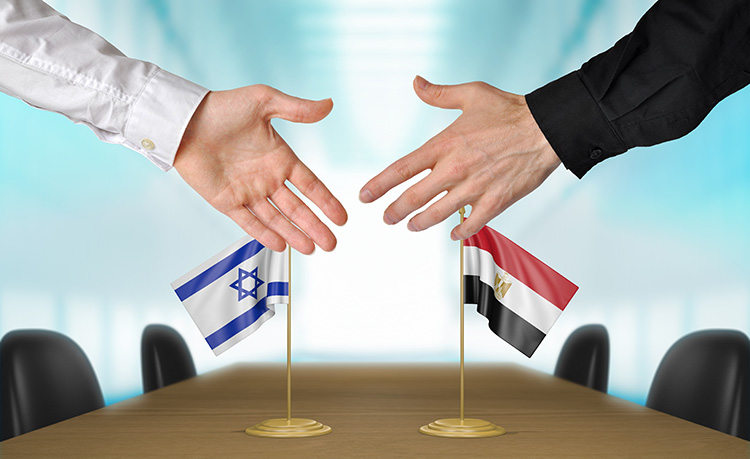


Building a Successful Strategic Alliance between IOCs AND NOCS
National oil companies (NOCs) are organizations that are whether fully or in the majority owned by their home countries. NOCs operate in favor of their home countries’ interest as they provide their governments with pay revenues, taxes, and royalties.
EGYPTIAN COMPANIES GOING INTERNATIONAL
Egypt’s state oil companies are starting to sign agreements to develop oil fields in other neighboring countries, which indicate that the country has plans to expand their territory out of Egypt and into foreign lands.
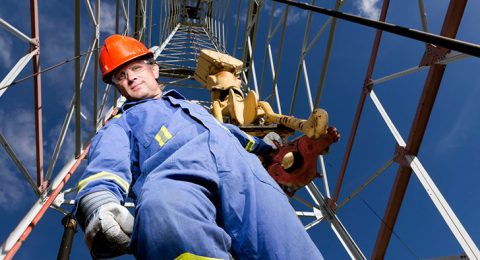
IMPROVING TECHNICAL EXPERTISE IN EGYPT’S ENERGY INDUSTRY
Several energy industries have been guilty of overlooking opportunities for operational optimization when the tide is high and the oil prices are dwindling. But Egypt’s oil and gas sector should be on the cutting edge in its application of technical expertise, at least on the production side. As part of the balancing equation, IOCs, NOCs, and service companies need to collaborate on a novel technical approach for performance development in Egypt’s industry.
INTERNATIONAL JURISDICTION OVER CORPORATE CORRUPTION
Almost every international business person is aware of the United States Foreign Corrupt Practices Act (US FCPA) and the more recently enacted UK Anti-Bribery Act (UK Act). Less clear and more challenging, however, is determining what is required to comply with the myriad anti-bribery statutes to which that person and his or her company may find itself subject, particularly in attempting to reconcile differences among the anti-fraud laws, rules and regulations that exist in each jurisdiction which the company touches.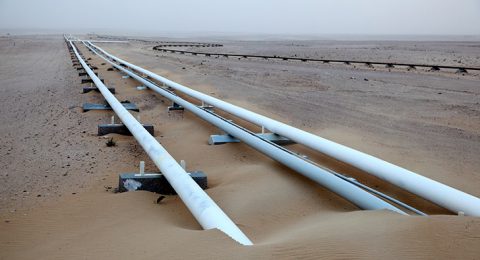
INFRASTRUCTURE PROMOTING ECONOMY
For a more aspiring and accomplished upstream business, the oil and gas wealth owning countries have long been involved with developing grand infrastructure projects. It has emerged as a primary need for world governments to ameliorate infrastructure conditions given the fierce energy market competition.
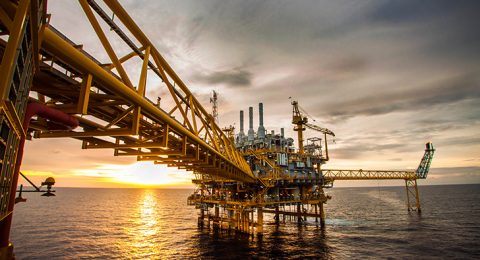
UPSTREAM INFRASTRUCTURE, Egypt’s Future of LNG Exports
With an opportunity cost in international markets, Egyptian natural gas contains a price advantage, cleaner emissions than oil, and is more environment-friendly. Egyptian natural gas is also a domestic consumption substitute for petroleum products since that it is highly tradable.
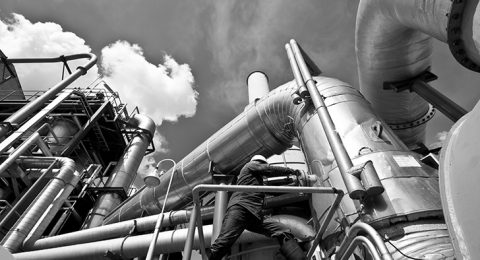
The Wise Choice for Infrastructure: METAL AND NON-METAL PIPELINES
Pipelines are one of the main elements of the oil and gas infrastructure. It acts as the main transportation system for all kinds of energy products; natural gas, biofuels, and liquid petroleum. There are two main types of materials in which pipelines are made of metal, such as Steel, or non-metal, such as plastic.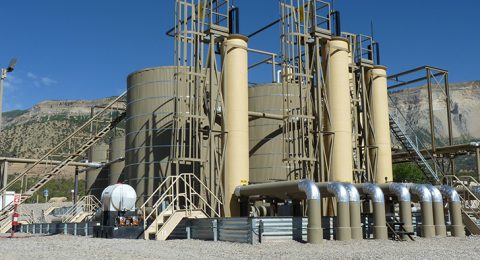
WATER Management Facilities Saving Money
Water is an important element in oil and gas production, both as a bi-product and a commonly used fluid to enhance well production. Water also plays a major role in unconventional oils, namely in the fracking process. As a result, the oil and gas industry simultaneously consumes and produces large amounts of water during the extraction stage.