Features / Overview

OSHA: Putting Process Safety Management into Motion

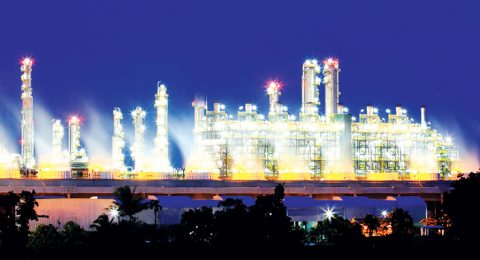
For many decades, the oil and gas sector has witnessed the occurrence of many accidents. The mounting number of these incidents rang the alarm bells for the sector’s experts to work on ameliorating the standards of Health, Safety, and Environment (HSE) in order to eliminate these catastrophes.

Egypt’s Oil and Gas Mergers and Acquisitions: A Propelling Potential

Thanks to the prosperous state in the Egyptian oil and gas industry, the investment climate has altered accordingly. In fact, the current state has attracted many International Oil Companies (IOCs) to implement new projects or even expand their current investments. As a result, the Mergers and Acquisitions’ (M&As) transactions in Egypt have witnessed a boom recently.

Gas Regulation in the EMGF Countries

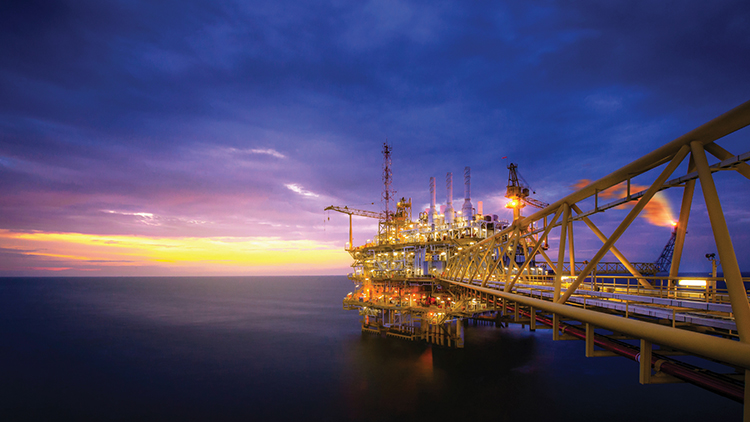
Recent decades have seen a marked boom in the development of offshore oil and gas activities. Due to the increasing energy demand and new technological innovations, offshore drilling extended their activities in the deep water areas. As of today, almost a third of the oil and a quarter of the natural gas consumed in the world comes from the underwater. This rush to offshore oil and gas exploration and production is not about to end as forecasts show a continuing growth of production in traditional offshore regions and significant development in new areas, particularly the Eastern Mediterranean region.

Energy Subsidy Reform Program: The Full Picture

Energy subsidy reform is a main pillar of Egypt’s economic reform program. The government has implemented the last round of subsidy cuts in June 2019 and the subsidy's system reform is supposed to be ongoing until 2020. It is worth noting that according to the Middle East and North Africa (IFPRI) paper, titled “Phasing Out Energy Subsidies as Part of Egypt’s Economic Reform Program: Impacts and Policy Implications,” the first wave of the fuel subsidy cuts began in 2014 by increasing diesel prices by 64%, 80-octane gasoline by 80%, and 92-octane gasoline by 40%. Overall prices averaged at a 50% increase; however, despite the increase, fuel products remained heavily subsidized; hence, the government continued its fiscal reform by implementing further cuts.

Egypt’s Petrochemical Renaissance on The Horizon

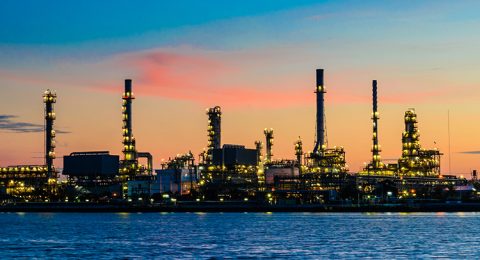
As Egypt is becoming a regional energy hub, the petroleum sector also aims at increasing the added-value in natural gas and oil projects, as evident by the boom in the Egyptian petrochemical industry with many projects underway as part of the National Petrochemical Plan (2002-2022). The petrochemical sector accounts for about 12% of Egypt's total industrial production and contributes 3% of Egypt's Gross Domestic Product (GDP), according to the General Authority for Investment and Free Zones (GAFI).

Middle Management Success in The Making

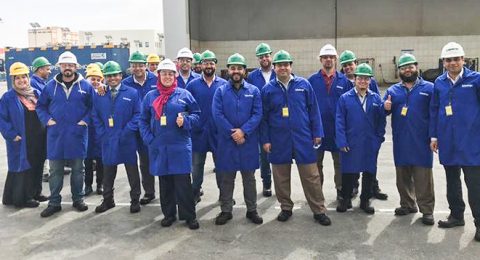
“Egypt’s Oil and Gas Modernization Project ”is vastly becoming a common phrase widely spread within the sector. It was the turning point, which allowed the sector to work on its challenges and achieve major successes witnessed during the past couple of years. Taking a closer look at this project, we can assure that everyone is working hard to achieve the project’s vision and create a huge transformation to the whole sector along its full value chain.

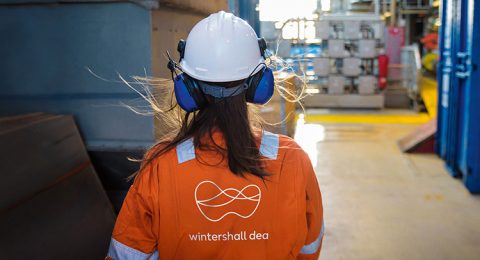
Wintershall DEA: Europe’s Leading Independent Gas and Oil Company

As the global oil and gas market grows, exploration and production (E&P) companies tend to merge to be more competitive. One of the most prominent mergers that occurred recently is by two leading German based firms, Wintershall Holding GmbH (Wintershall) and DEA Deutsche Erdoel AG (DEA). The merger was completed on May 1,2019 after granting the needed approvals from all relevant authorities, shareholders BASF and LetterOne.

Corrosion Management: Effectively Enhancing Asset Integrity

The oil and gas industry is an asset-intensive business with many capital assets, ranging from drilling rigs to upstream offshore platforms and wells, pipelines, liquefied natural gas (LNG) terminals and refineries in the midstream and downstream segments. These assets require huge investments; therefore, oil and gas companies are often under pressure as they need comprehensive strategies to reduce cost and improve asset reliability.

Egypt’s Place in Africa’s Natural Gas Scene

Natural gas is one of the most important energy resources for Africa. Recently, the industry has witnessed great leaps that changed the continent’s views of the product. Africa owns 7.1% of the world’s total proven reserves, of which most are found in Nigeria, Algeria, Egypt, and Libya, according to a BP statistical review published in 2018. Egypt is not only among the countries with the highest reserves and production, but also stands out as one of the top natural gas consumers in the continent.

Joint Ventures for Oil and Gas Mega Projects: A Sector’s Core

Establishing JVs for oil and gas mega projects is hindered by the many challenges that need to be clearly addressed from the very beginning of the project to identify the required methodologies needed to overcome them.

Page 9 of 14

Login

Welcome! Login in to your account

Remember me Lost your password?

Lost Password