


Features / Overview

Understanding Bahrain’s Oil Dilemma

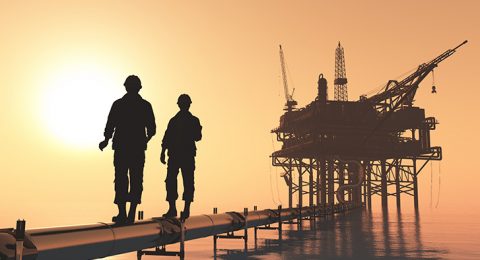
With the fluctuations of global oil prices; the kingdom of Bahrain is trying to make its way out of an economic drop. Although the Bahraini kingdom is working on diversifying its economy from oil and gas since 1990, the kingdom’s deficit is still affected by the changes in the global oil and gas markets. Hence, with the stumbling oil prices, the kingdom had to take a number of measures including the increase of its fuel prices, in 2016.

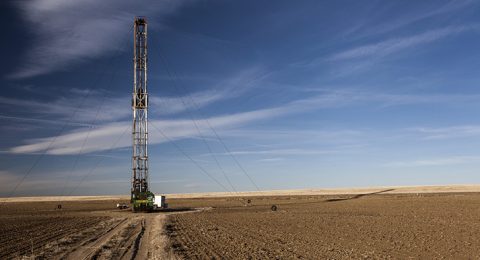
FARM-OUTS: A New Business MODEL?

The last tumultuous years in the global oil industry have unleashed the power of creativity performed through smaller and mid-size independents. This wave of alternative approaches is likely to continue.

UNCONVENTIONAL OILS A New Frontier for Energy Security

Global population has grown to an estimated 7.4 billion, with the majority of people scattered across Asia, followed in the distance by Africa. Accordingly, the world consumes millions of barrels of oil to fuel our daily lives and drive economic growth needed to sustain ever growing societies. In 2016, the International Energy Agency’s Oil Market Report estimated that worldwide demand of oil would reach an average of nearly 96mb/d. It was only natural that economies would look beyond the conventional for additional sources of hydrocarbons.

RATIONALE BEHIND OIL&GAS SECTOR IMPROVEMENTS

By Nataša Kubíková Setting a clear strategy and a realistic direction for future modernization of the Egyptian oil and gas industry.

BRIDGING THE GAP: Oil & Gas Industry Tackles Skills Shortage

By Shaden Esam Al-Dine Human capital is a vital component in determining socio-economic development in any country. Enhancing human capacities within any business is, therefore, crucial. This is particularly true of the energy sectors in the Middle East where oil and gas are the key to sustaining economic growth and bettering the general standard of living.

BETTER TOGETHER: Joint Ventures in Oil and Gas

When the first joint venture was formed in Egypt in 1911, the oil and gas industry was in its infancy. Anglo-Egyptian Oilfields Company was a marriage of two private companies: Royal Dutch Shell and British Petroleum (BP). The company went on to be the major player in the industry for over fifty years, until it was nationalized in 1964 as the Egyptian General Petroleum Corporation (EGPC). As the oil and gas industry has expanded and shifted in the years since, joint ventures have played a significant role.

OILFIELD SERVICE COMPANIES ADOPT A NEW ROLE

Oil drillers have struck a “Gusher”! This is, however, a gusher they do not want, one of red ink signifying unprofitable budgets. The overproduction of crude oil, along with low price per barrel, has led to less demand for crude, resulting in loss of revenues for oil service companies. The question is, can service companies survive the severe fall in revenues, and still remain healthy enough to perform on future contracts?

COMPLEXITIES OF REGULATORY FRAMEWORK ALTERNATIVES

Investments in Egypt’s oil and gas sector have remained fairly weak over the last few years. This reality emerged not only because of the nation’s high political risk and unstable economic situation, but also because some legal aspects within Egypt’s oil and gas regulatory framework failed to grant both the international oil companies (IOCs) and the privately-owned oil and gas companies the rights that they were seeking.

Corporate Social Responsibility Offers Win-Win Scenario

Corporate Social Responsibility (CSR) has recently turned into a buzz word that is trending among all the savvy oil and gas companies all over the world. These companies are frequently caught publicizing the contributions they make to the economic development of their hosting communities, which focuses on ethical, philanthropic, and environmental practices.

ZERO GAS FLARE PROSPECTS FOR Egypt

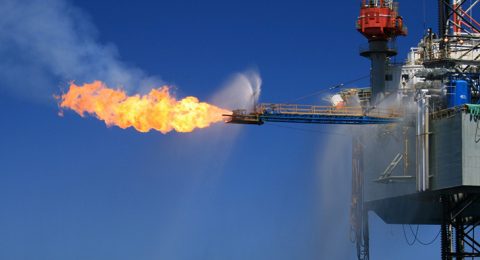
When environmental improvement promises economic prospect, the hesitation is hardly in place. An assumption that environmental responsibility is unattractive as it comes with higher investments has already been shattered. This is particularly visible in the practices of associated petroleum gas (APG) flaring, which is truly a global conundrum.

Page 13 of 15

Login

Welcome! Login in to your account

Remember me Lost your password?

Lost Password