

Features / Overview

Egypt’s Mining Sector: Towards Strategic Transformation

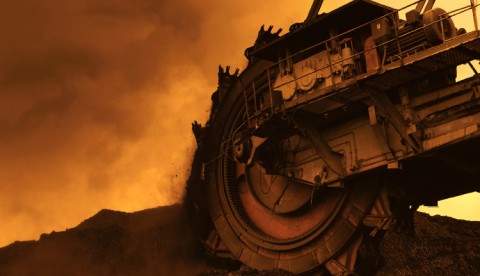
Egypt has a promising mining potential with several mineral ores, including phosphate, limestone, coal, ornamental stones, dolomite, white sands, and quartz. The Egyptian mining territory consists of phanerozoic sediments formed during Cambrian Period and crystalline basement rocks formed since the Precambrian period. Around 89% of the country’s Precambrian Arabian-Nubian Shield area has not been tendered for at least the last 20 years. Accordingly, the Ministry of Petroleum and Mineral Resources (MoPMR) has adopted a strategic plan to enhance the sector's contribution to the Egyptian economy.
World Natural Gas: The Convenient, Timely Fossil Fuel

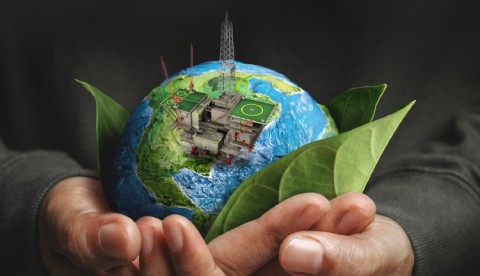
As Egypt moves towards a greener future, the country looks at natural gas as a convenient green energy source at the time being. Natural gas is not only a cheaper source of energy, but it is also one of the main types of fossil fuels with less carbon emissions. Therefore, the Egyptian government is working on encouraging the use of natural gas, while rationalizing energy consumption to provide the European Union (EU) with natural gas as well.

Human Capital Development Leads Oil, Gas Sector to Astonishing Milestones

The Egyptian Ministry of Petroleum and Mineral Resources (MoPMR) has been keen to develop the capabilities of its human resources. Through the Modernization program’s 3rd pillar, the Ministry has been working on developing talents and preparing them to be the future leaders. Whether through its Middle Management program, or the Young Professional program, the Ministry has trained human cadres to lead a promising oil and gas future.

Operational Efficiency Practices Meet SDGs, Enhance Output

The oil and gas sector has been implementing several operational efficiency practices to help Egypt achieve its sustainable development goals (SDGs). The Egyptian oil and gas sector, through the Modernization program, is set to ensure the operational efficiency of the upstream, midstream, and downstream sectors. This comes as the industry adopts digital transformation, and works on decarbonizing the oil and gas sector’s process, and petroleum products as well; while the Ministry of Petroleum and Mineral Resources (MoPMR) works on developing refineries and transportation.

Egypt Empowers Women Inclusion in Energy Industry

Egypt has been working on supporting the economic empowerment of women and ensuring their inclusion in different sectors. This comes as President Abdel Fattah El-Sisi believes in the significant role women play in the development of the country and their ability to achieve what is assigned to them. Today, the Egyptian cabinet includes seven female Ministers, equivalent to almost 25% of the total Ministers. In line with the country’s empowerment strategy, the Ministry of Petroleum and Mineral Resources (MoPMR) is working on empowering women in the oil and gas sector.

Connecting The Region: Egypt Stands Out as A Regional Energy Hub

Thanks to its geographical location near different markets, Egypt positions itself at the center of a new energy market and a regional natural gas trading hub. With the recent energy turbulence, Egypt has had the chance to realize its aspiration and tap into new markets, empowered by its strong natural gas infrastructure.

Egypt’s Natural Gas Performance Promises Energy Resilience in 2023

In the past year, Egypt has been proving that it is able to compete in the natural gas market and develop its hydrocarbon production amid a global energy crisis. Despite the shortage and turbulence in the energy markets, which is affected by the Russian invasion of Ukraine, Egypt's energy performance has been going strong throughout 2022, with expectations to boost natural gas exports and ensure energy security in 2023.

Oil, Gas Sector Leads Egypt’s Decarbonization Journey

Egypt has been contributing positively to climate action movements and initiatives to face the challenges of climate change, while the Egyptian oil and gas sector has been at the forefront of Egypt’s decarbonization efforts. At last, the United Nations (UN) Conference of Parties (COP 27), which was held in Sharm El Sheikh in November, has given the oil and gas firms the opportunity to show their efforts and the role they can play in facing climate change. The Participation of the oil and gas sector in the summit's activities, and especially in the Decarbonization Day, held on November 11, was a remarkable addition to the COP activities.

Egypt’s Path to A Decarbonized Future

Egypt is one of the countries that will be significantly affected by climate change on several levels, including water scarcity, rising sea levels, and weather changes or heat waves. Therefore, it is crucial for the country to contribute to climate action and sustainable development plans adopted across the globe. Egypt is accelerating its decarbonization pace and working on energy diversification as the country is committed to its 'Sustainable Development Strategy: Egypt Vision 2030' and 'Integrated Sustainable Energy Strategy 2035', which were launched in 2015.

Collaboration, Commitment and Decarbonization: Supporting the Oil and Gas Industry in Its Path to Net Zero

With COP27 on the horizon, all eyes are on the oil and gas sector and our vital role in delivering safe, reliable energy with net zero emissions and playing a leading role in the energy transition. Both subjects are top of our agenda, and IOGP has been working with industry, helping operators to develop their action plans for the decarbonization of their facilities and products. Sharing knowledge and learnings from the industry journey so far and promoting standardization.

Page 5 of 15

Login

Welcome! Login in to your account

Remember me Lost your password?

Lost Password