
Features / Industry Insights

Oil Price Fluctuations: Can Egypt’s Economy Stand the Strain?

Crude oil prices have reached high levels as global oil inventories have generally declined from January 2017 through April 2018. The fluctuating prices are affecting both importing and exporting countries. Exporting countries, especially the members of the Organization of the Petroleum Exporting Countries (OPEC), are facing production swings after signing the oil production cut deal and its extensions. The latest amendment on the deal was approved after OPEC’s meeting on June 22.


Quantum Computing, Technology of the Future

Quantum computing, an emerging technology, has the potential to bring massive changes to many industries, including the oil and gas sector, in the near future, as researchers expect.

Big Data Analysis for Oil & Gas Operational Gains

In 2006, Clive Humby, then the architect of a supermarket loyalty scheme, expressed the now-popular belief that “data is the new oil”. He was talking about the potential value in using the massive amounts of customer data generated by the Tesco Clubcard system, but the axiom rings just as true for the oil and gas industry.

Cybersecurity in the Oil and Gas Sector: Problems and Solutions

The recent technological boom in wireless communications, sensor applications and automated machinery is bringing untold benefits to the oil and gas industry; from enhancing remote monitoring capabilities and providing detailed analytics, to revolutionizing data storage and reducing operational costs. However, the connection of industrial control systems (ICS) and supervisory control and data acquisition (SCADA) systems to the wider digital network has exposed critical pieces of infrastructure to cyber threats.

Energy Subsidy Cuts: The Hardest Part of Egypt’s Economic Reform

Egypt’s government has committed to periodically increasing the pre-tax cost-recovery ratio on most fuel products in order to achieve 100% in fiscal year (FY) 2018/2019 and to eliminate electricity subsidies by FY 2020/2021, according to the International Monetary Fund (IMF).

Barriers to Investment: Attracting Finance for the Renewable Energy Sector

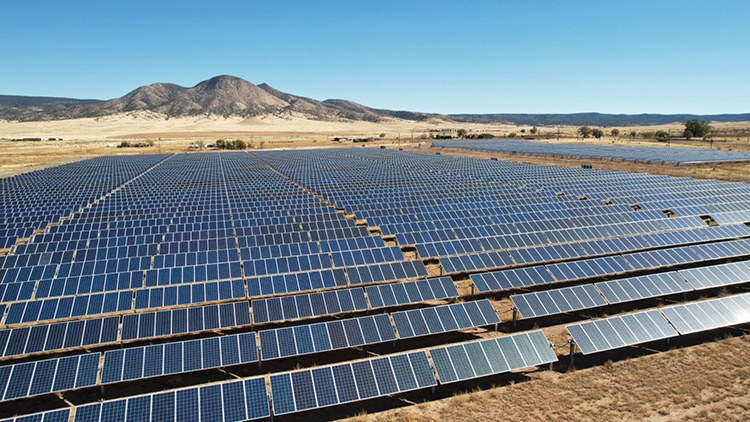
A report published in 2018 by the International Renewable Energy Agency (IRENA) revealed that capital inflows into the Middle East and North Africa (MENA) renewables sector during 2015 and 2016 were the lowest of any region in the world.

Waste-to-Energy for a Sustainable Future in Egypt

Faced with a growing population, securing energy supplies has become one of Egypt’s biggest priorities. Because of this, the past few years has seen the country importing large amounts of energy from different sources. Egypt has also been experiencing difficulties dealing with the growing amounts of waste produced by the increasing population.

The Future of Electric Cars in Egypt

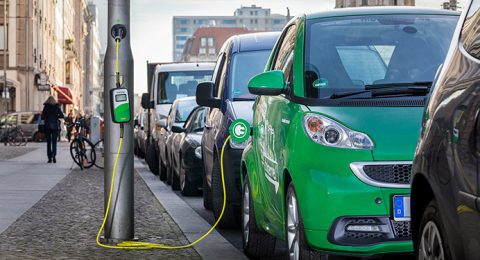
The Egyptian electric car market has witnessed significant developments in 2018. In February, the country’s first electric vehicle charging station opened at a state-owned Wataniya gas station on the Cairo-Suez highway. Two months later, BMW distributor Bavarian Auto presented the BMWi, the first electric car to be exhibited in Egypt.

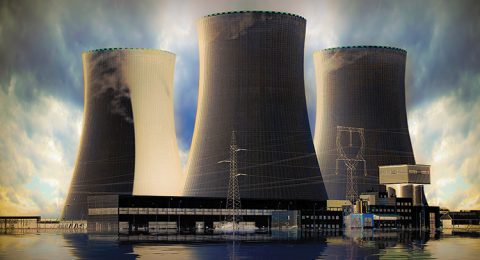
The Dabaa Project in Numbers: Is Nuclear Energy the Right Option for Egypt?

Over the past few decades, nuclear energy projects have increasingly been seen by developing countries as an effective means of attaining western standards of development. According to the World Nuclear Association (WNA), 45 developed and developing countries are currently considering building nuclear reactors. More than half of these countries already have concrete plans to do so.

Page 17 of 17

Login

Welcome! Login in to your account

Remember me Lost your password?

Lost Password