Iraq to Sell 10,000 b/d Oil to Jordan
Iraq and Jordan have agreed on many mechanisms to strengthen the economic cooperation between the two countries, including the study of establishing an Iraqi oil pipeline to deliver oil to Jordan.

Iraq and Jordan have agreed on many mechanisms to strengthen the economic cooperation between the two countries, including the study of establishing an Iraqi oil pipeline to deliver oil to Jordan.
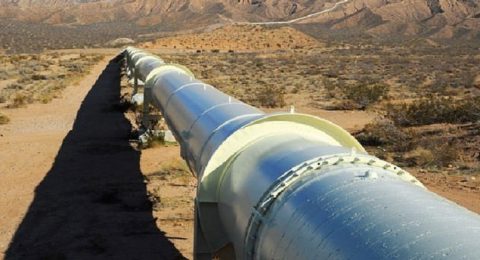
Iraq is going to sell 10,000 barrels per day (b/d) of oil from its Kirkuk oilfields to Jordan at a special price and Iraqi goods imported through Aqaba port will have preferential tariffs.
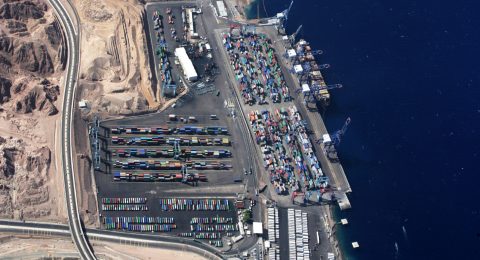
Iraq plans to reduce the price of oil traded to Jordan, in return for getting preferential tariffs on goods that Iraq receives from Jordan through Aqaba port.
Egypt has started exporting around 165 million standard cubic feet per day (mmscf/d) of natural gas to Jordan in order to cover gas supply in electricity generation.
The Egyptian Ministry of Electricity started studying the feasibility of increasing the capacity of the electricity connection with Jordan to reach 1000 MegaWatt (MW), compared to the currently exchanged 450 MW.

Egypt started increasing exported natural gas to Jordan to around 100 million standard cubic feet per day (mmscf/d) to secure the needs of the Jordanian electricity generating plants.

Egypt and Jordan signed amendment agreement for the agreements and memoranda of understanding (MoU) between the natural gas companies in the two countries.

Jordan seeks to increase its natural gas imports from Egypt to meet a third of its demand, said Hala Zawati, Jordanian Minister of Energy.
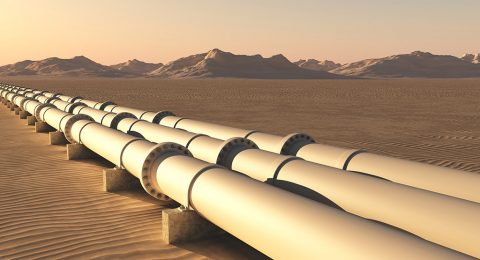
The Egyptian Ministry of Petroleum will increase natural gas exports to Jordan to 150 million standard cubic feet per day (mmscf/d) by the end of 2018.

Egyptian engineering, construction, and procurement (EPC) company Enppi and Egyptian petroleum company Petrojet have completed 60% of their natural gas network expansion project in Jordan.