News / International

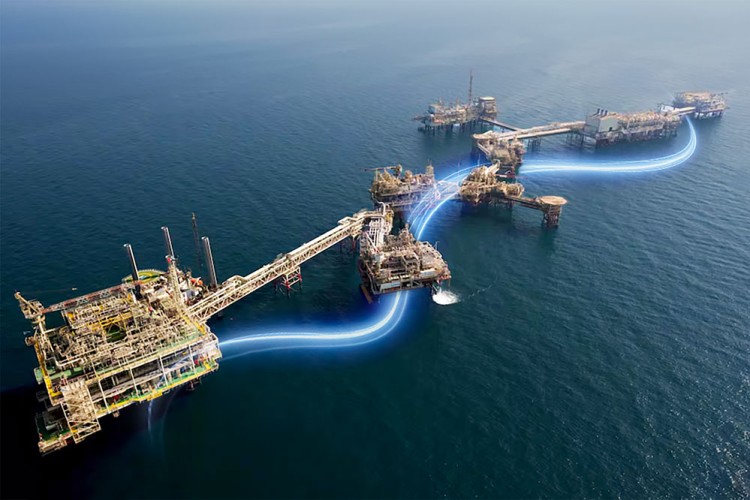
Iraq Eyes 170b Barrel Reserves by 2019
Iraqi Oil Minister, Jabbar al-Li’aibi, disclosed that Iraq aspires to increase its oil reserves to 170b barrels by 2019.
Iran Eyes $80b Oil Deals Despite Trump’s Threat
Iran is negotiating $80b of oil deals for signing, some of which are expected to be finalized no later than June.
OPEC Lost $1t to Slump in Prices
The Organization of Petroleum Exporting Countries’ (OPEC) Secretary-General, Mohammed Barkindo, explained the amount was lost in terms of deferred projects and outright cancellation of projects across its entire value chain.
Nigeria Receives 128 Bids for Oil-for-Fuel Swaps
Nigeria's state oil company received 128 bids from companies that want to exchange processed fuels for as much as 800,000 b/d of unrefined crude in 2017.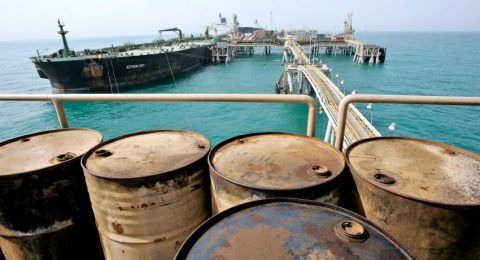
Iran to Boost West Karoun Output by 10%
Iran aims to boost the nominal output capacity from the oil block by 40,000b/d from the present 320,000b/d, according to Petroleum Engineering and Development Company’s (PEDEC) Managing Director, Noureddine Shahnazizadeh.
Rosneft to Develop 3 Offshore Areas in Mozambique
Rosneft expects to make concession agreements for development of three offshore areas in Mozambique in mid-2017.
Angola Reaches Highest Oil Revenue in 16 Months
Angola reported $950m in crude oil export revenues for January, the highest in 16 months.
Nigerian Oil Minister: OPEC Must Lower Production Costs
Nigerian Minister of Oil, Emmanuel Ibe Kachikwu said that Members of the Organization of the Petroleum Exporting Countries (OPEC) must lower production costs to compete better with shale producers.