Iraq’s crude oil exports have reached about 2.7 million barrels per day (mmbbl/d), and the Ministry of Oil is working to increase shipments through its northern and southern export outlets and boost flows through the Iraq-Türkiye pipeline (ITP).
Ministry spokesperson Salim Al-Rikabi told the Iraqi News Agency (INA) that the ministry is working to maintain and increase crude oil exports amid the ongoing Strait of Hormuz crisis, which he described as a global energy crisis.
Iraq’s crude oil exports have risen significantly from around 200,000 bbl/d in May to around 2.7 million bbl/d currently, despite the crisis’s challenges, Al-Rikabi said.
Most Iraqi exports are shipped through southern routes, while northern routes account for around 300,000 bbl/d. These volumes include oil transported by tanker trucks, as well as exports from the Kurdistan Region and Kirkuk.
The country plans to increase crude oil exports through southern routes and expand tanker truck transportation to northern outlets. It is also targeting exports of around 700,000 bbl/d through the ITP, Al-Rikabi said.
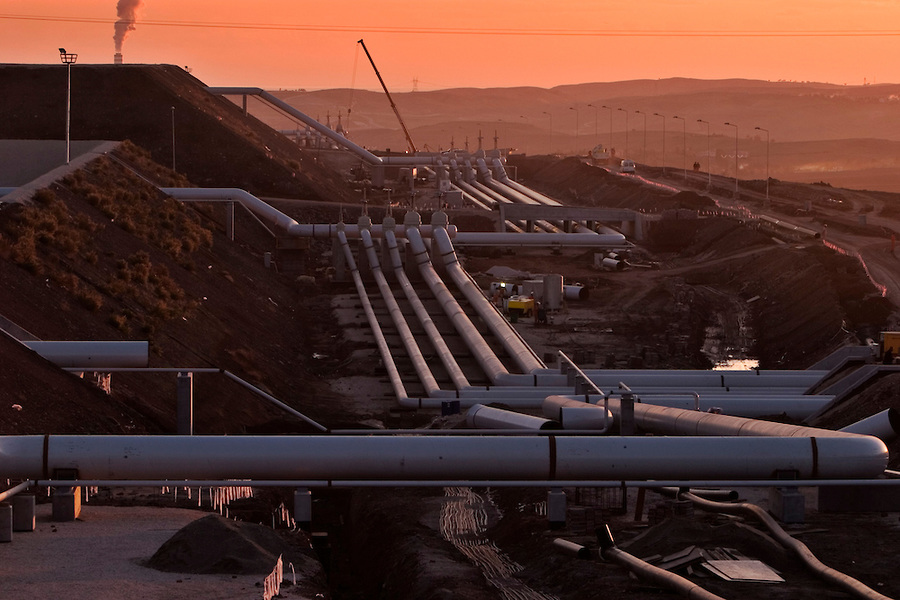
The pipeline, which links Iraq’s northern oil fields to the Mediterranean export terminal at Ceyhan, has a nameplate capacity of 1.5 million barrels per day (mmbbl/d). In August, both countries signed a one-year agreement to maintain operations of the pipeline for a daily transit capacity of 750,000 barrels, ensuring the continued flow of Iraqi crude through the country’s only functioning export pipeline while the two sides negotiate a broader long-term energy cooperation framework.
Current exports through the pipeline stand at around 300,000 bbl/d. The ministry is working to raise flows to at least the agreed minimum capacity of 750,000 bbl/d to boost exports and provide additional paths for Iraqi crude, Al-Rikabi said.
The ministry is also pursuing plans to develop additional crude oil export pipelines, including the Basra-Haditha-Fishkhabur pipeline and the Basra-Haditha-Baniyas pipeline.
Negotiations on these projects are ongoing as Iraq seeks to expand its export routes and improve the flexibility of crude oil transportation, he added.