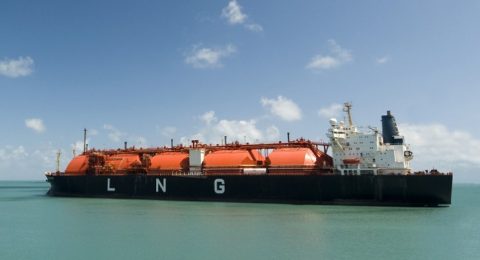
Saudi Arabia has increased crude oil loadings from its Gulf export terminals after a drone attack disrupted shipments through its East-West Pipeline to the Red Sea, with Saudi Aramco loading about 14 million barrels (mmbbl) onto seven very large crude carriers (VLCCs) at Ras Tanura on September 20, according to shipping and satellite-tracking data cited by Reuters.
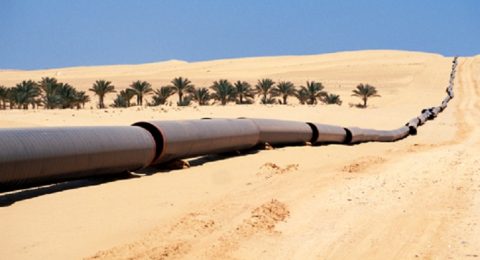
The higher Gulf loadings indicate a partial recovery in Saudi crude exports after the attack forced the shutdown of the kingdom’s East-West Pipeline and suspended crude loadings at the Red Sea port of Yanbu.
The additional supplies also contributed to downward pressure on oil prices, with Brent crude falling below $100 per barrel on September 21 for the first time since September 9, as markets anticipated increased Saudi shipments.
Saudi oil moving through the Strait of Hormuz averaged 2.9 million barrels per day (Mmbbl/d) over the six days through September 18, according to JP Morgan analysts cited by Reuters, compared with about 700,000 bbl/d in August.
Meanwhile, Saudi crude loadings from Gulf terminals averaged approximately 3.7 Mmbbl/d from September 12 onward, up from 2.9 Mmbbl/d earlier in September, according to Vortexa data cited by Reuters. Red Sea loadings averaged about 3.9 million b/d between September 1 and 11.
Saudi Aramco has also sold about 60 Mmbbl of crude from Ras Tanura for ship-to-ship transfers at Oman’s Sohar port during September and October, according to trade sources cited by Reuters.
Saudi Arabia has cut crude shipments to Europe and boosted supplies to Asia through ship-to-ship transfers off the coast of Oman. The pivot comes after drone strikes damaged its critical East-West pipeline, trading sources report.
The increase in Saudi crude loadings and volumes offered through alternative routes comes as other Gulf producers also seek to export more oil outside the Strait of Hormuz. By securing vessels to shuttle supplies through the waterway, sometimes with tracking transponders disabled, before conducting ship-to-ship transfers, these producers have sustained exports of 7 to 9 Mmbbl/d.