Eni has pledged to invest approximately £11 Bn in the UK between 2026 and 2030, with around two thirds of the funding allocated to lower-carbon sectors, according to a statement by the Italian energy company.
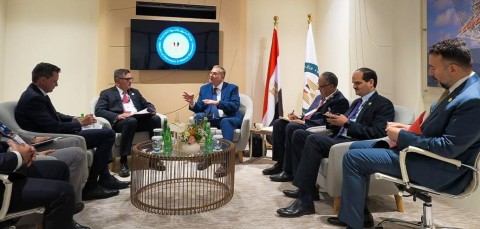
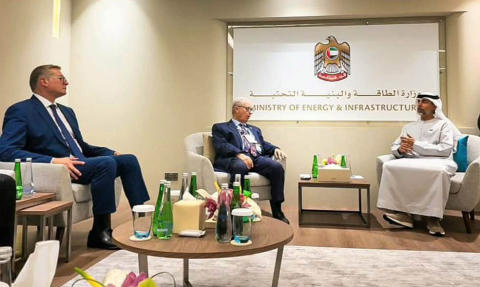
The investment plans were discussed during a meeting in London between UK Secretary of State for Energy Security and Net Zero Miatta Fahnbulleh and Eni CEO Claudio Descalzi.
The talks covered Eni’s activities and investment plans across the UK energy value chain, with a focus on the energy transition, industrial competitiveness, and energy security.
Eni said the investment would support the UK’s decarbonization, reindustrialization, industrial development, and domestic energy security objectives. It added that the plans would help create skilled jobs, attract additional capital, strengthen the competitiveness of the UK’s industrial sector, and benefit communities in the regions where it operates.
“This £11 Bn investment is a vote of confidence in Britain’s industrial future, backing good, skilled jobs, strengthening our energy security, and breathing new life into our industrial heartlands,” Fahnbulleh said.
She added that the government wanted communities that had powered Britain for generations to be at the forefront of its energy future, citing carbon capture projects in the North West and offshore wind developments in the North Sea.
Descalzi said the UK remained a key market for Eni, where the company operated across the energy value chain, including renewable energy, fusion, carbon capture and storage (CCS), and upstream activities.
He said Eni was strengthening its industrial presence in the country, particularly in lower-carbon sectors, citing the UK’s investment environment, long-term vision, technological capabilities, and focus on innovation.
Eni has operated in the UK since 1964 and is developing the Liverpool Bay CCS project through Eni CCUS Holding. The project is a core part of the HyNet industrial decarbonization cluster, which covers North West England and North Wales.
The project is expected to support the development of one of the world’s first lower-carbon industrial clusters and contribute to the UK’s net-zero targets. It is projected to support more than 2,000 jobs during construction and around 300 permanent positions over its operating life of more than 25 years.