

Features / Technology

Plasma Technology: A Novel and Sustainable Way to Produce Hydrogen

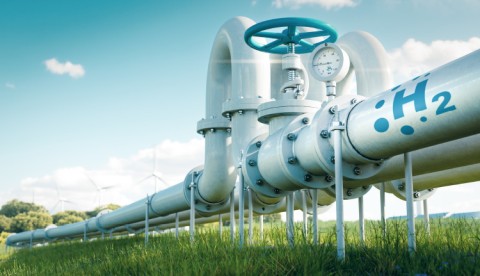
Hydrogen is gaining more popularity as an elementary source of energy globally.  However, most of the hydrogen produced from fossil fuels releases carbon emissions and contributes to climate change. With that, operators are seeking to produce hydrogen from clean sources such as water or biomass. As green hydrogen production requires a lot of energy and higher cost using the electrolysis process, which splits water into hydrogen and oxygen, plasma technology has recently emerged to improve the efficiency of green hydrogen production.

Innovation Reshapes the Mining Sector’s Future

The mining sector is one of the most vital industries which always seeks development. It usually faces some challenges for being risky, having an environmental impact, and costing a lot. However, digital technology came to the rescue to help miners meet the growing demand for minerals, improve efficiency, productivity, and quality as well as achieve sustainability goals. Let’s explore some of the latest technologies that reshape the mining sector and create new opportunities for growth and development.

Ultrasonic Inspection: A Way for More Efficient Natural Gas Operations

Natural gas has proven to be the cleanest fossil fuel and the primary source of power for renewable energy. With that, improving production and transportation techniques are becoming more crucial than ever to cover the fast-growing demand. Guaranteeing pipelines’ safety and enhancing their operation process became an important aspect to guarantee efficient and safe transportation of this essential fuel. Ultrasonic Testing (UT) is not a new solution, but it remains the most common, successful, and effective technique in this regard.

CO2 Foam Injection: An Effective Path for Enhanced Oil Recovery

In light of the increasing demand for oil and gas globally, efforts are drawn to boost production. Reducing CO2 emissions while providing the needed energy at the lowest costs becomes vital for a safe and secure future. With the continued technological development, CO2 foam injection has emerged as one of the much-needed technologies seeking to enhance oil recovery and can be used for carbon storage, which is useful in achieving decarbonization goals.

Zero Liquid Discharge: An Enabler for Sustainability

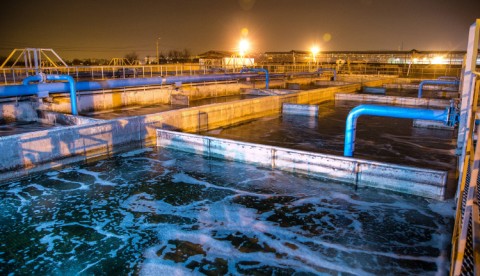
With global calls for the green energy transition to achieve sustainability, the petroleum sector is focusing on ways to preserve the environment while keeping production moving continuously at the same time. Wastewater is one of the big issues faced by the petroleum sector. Since technology is the main aid for getting solutions, it evolved Zero-liquid discharge technology to help increase operational efficiency. This technology is a wastewater management strategy that eliminates liquid waste and maximizes water usage efficiency.

Safer Oil & Gas Industry Through Ai-Driven Thermal Imaging

Providing a safe working environment is essential within the oil and gas industry. This is what oil and gas companies are working on all the time, along with other practices from exploration to refining. Ensuring safety should include the workers, working places, surrounding environment of operations as well as society. As new technologies are emerging continuously, thermal imaging has evolved. This technology is a good choice for early detection of any possible leaks, damages, or corrosion. By being powered with artificial intelligence, thermal imaging becomes more efficient.

Ocean Iron Fertilization Opens New Window for Carbon Capture

Since climate change has become a controversial issue, carbon capture solutions emerged as some of the best methods for reducing carbon dioxide emissions and consequently overcoming climate change. One of the techniques that could help in carbon capture is the Ocean Iron Fertilization method. Even though this innovative method is not a new idea, the topic has made a comeback on the scene as it has great potential to be a great carbon capture solution.

Edge Computing: A New Era of Operation Efficiency

Due to the nature of uncertainty in the oil and gas industry, it is necessary for operators to find solutions to increase production and improve operational efficiency at low costs. This is besides the new urgent need for decarbonizing the industry in order to overcome climate change. At the time of digital transformation, one of the latest new technologies that can play a key role in this regard is edge computing.

CCUS Deployment: The Way to Zero Carbon Future

New Technology is an effective way to develop solutions for carbon emissions reduction initiatives. Carbon sequestration is a good example in which carbon is kept in its solid or liquid forms and separated so that it does not harm the environment. Carbon Capture, Utilization, and Storage (CCUS) technologies are some of the most popular technologies used recently to mitigate carbon dioxide (CO2) emissions.

Artificial Lift Technologies: Remarkable Tool for Boosting Production

In the shadow of the global oil crisis and the high prices and demand, oil producers are scrambling for new and innovative technologies to increase production and overcome this challenge. Artificial lift is one of the most important methods used to withdraw oil from wells and its developed technologies help in increasing production.

Page 4 of 12

Login

Welcome! Login in to your account

Remember me Lost your password?

Lost Password