



Features / Technology

Beyond Traditional Methods: Exploring Microbial Enhanced Oil Recovery

In the past years, oil and gas companies sought means to increase production efficiently to address concerns about depleting natural reserves, rising world energy demand, and fluctuating oil prices. In order to optimize production from mature oil and gas fields, Enhanced Oil Recovery (EOR) emerged as a method to extract additional oil from reservoirs after conventional recovery methods, such as natural pressure and water flooding, become less effective. Typically, primary and secondary recovery techniques leave behind a significant portion of the oil in the reservoir; up to 50-70%. EOR was developed to tackle this challenge, improving oil recovery rates and extending the life of reservoirs.

E-nose Technology to Detect Oil Spills

Soil contamination from oil spills is one of the biggest challenges facing oil-producing countries and firms. These spills are often caused during oil extraction and transportation and release volatile compounds that significantly impact the environment and human health.

Revolutionizing Corrosion Control: How the Carrier Line Technique Is Transforming Oil and Gas Production

Corrosion in the oil and gas industry is one of the critical issues that affect production. Along with its impact on the environment, corrosion is also viewed as an uncontrollable issue within current technology, leading to escalating costs associated with equipment replacement, production losses, contamination, and a decrease in the well's operational lifetime.

2024: Pioneering Innovations for A Sustainable Future

Aligning with the global shift in the energy transition, oil and gas companies have diversified their portfolios with a focus on emissions reduction in their operations and increasing their investments in lower-carbon projects.

Harnessing The Power of Sunlight: A Breakthrough in Clean Hydrogen Production Utilizing Photocatalyst

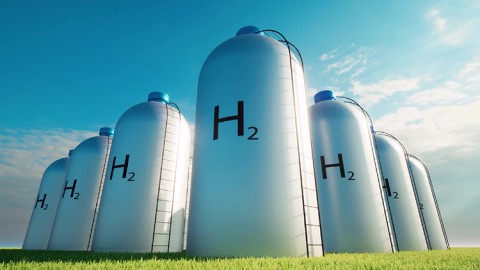
Hydrogen stands out as a promising alternative to fossil fuels, offering a clean, efficient, and sustainable energy carrier for power generation and transportation. Despite its many advantages, the use of hydrogen as a fuel source still poses many challenges, including high production, storage, and transportation costs.

THZ Spectroscopy: New Frontiers in The Exploration and Evaluation of Oil Shale

Oil shale is an abundant energy source rich in hydrocarbons. Many countries, including the United States, China, Brazil, and Estonia, rely on it as a significant energy resource despite the challenges involved in its extraction.

Flare-To-Hydrogen in Oil and Gas Industries

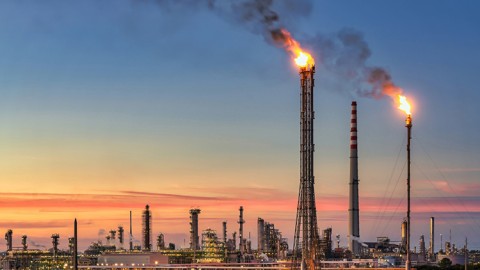
Gas flaring, a wasteful and environmentally damaging practice, has long plagued the oil and gas industry. A groundbreaking study proposes a solution: converting flared gas into valuable hydrogen and utilizing captured CO2 for enhanced oil recovery. This innovative approach not only reduces greenhouse gas emissions but also generates additional revenue, making it a win-win for both the environment and the economy. By harnessing the power of technology and sustainable practices, the oil and gas industry can move towards a cleaner and more efficient future.

Innovative Breakthrough in Green Hydrogen Production from Natural Gas

As the world strives toward a more sustainable energy future, hydrogen demand, as an energy carrier, is on the rise. This is because when it burns or reacts with air in a fuel cell, it produces water vapor as the only byproduct, emitting no greenhouse gases or pollutants.

Revolutionizing The Mining Industry with ISL Technology

Industrial mining serves as the cornerstone of modern society. Everything that isn't grown as a crop is ultimately derived from minerals or petroleum extracted from the Earth. However, mining is costly and has been associated with numerous environmental challenges, mainly related to toxic mine waste and the destruction of habitats.

New Efficient Method for Producing Green Methanol from Biogas

Methanol is one of four important fuels and chemicals being produced in the oil and gas industry. In 2022, global methanol production exceeded 111 million metric tons, growing by nearly four percent from the previous year, according to Statista. It is used in everyday products, including plastics, paints, car parts, and construction materials. Methanol is also used to fuel cars, trucks, buses, ships, fuel cells, boilers and cook stoves.

Page 2 of 12

Login

Welcome! Login in to your account

Remember me Lost your password?

Lost Password