

Features / Politics

What A Harris Presidency Could Mean for The Future of Us Climate Policy

US Vice President Kamala Harris, who could potentially become the first woman to lead the United States, is expected to bring a distinctive approach to various critical issues in US politics. As a woman of South Asian and African American descent, she is anticipated to have her own way of addressing issues such as the Israeli-Palestinian conflict, relations with China, and dealings with Russia. However, analysts currently have limited insight into her exact positions on these matters. One area where Harris has made her stance abundantly clear is on climate change.
Middle East on Edge: Israel-Hezbollah Clash Escalates

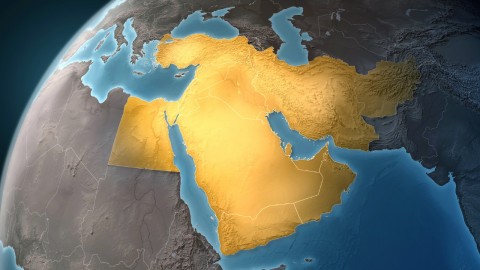
In recent months, the conflict between Israel and Lebanon's Hezbollah has intensified, raising alarms about the potential for a wider regional war. This escalation, marked by regular exchanges of missile fire and airstrikes, threatens not only the immediate safety of civilians but also the broader stability of the Middle East, with significant repercussions for the global economy, particularly in the energy sector.

The Expanding Horizons of China-Arab Cooperation: Energy and Beyond

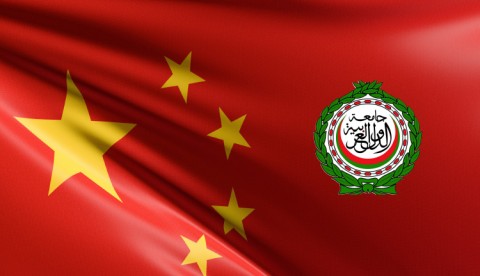
The latest China-Arab Forum has revealed a significant evolution in the political and economic dynamics between China and the Arab world, underscoring not only their shared political stances, but also an ambitious agenda to deepen economic cooperation, particularly in the energy sector. This shift signals a transformative phase in China-Arab relations, with a focus extending beyond traditional oil and gas transactions to embrace energy transition and renewable energy initiatives.

Geopolitical Unrest: Iran-Israel Escalation Amplifies Oil Market Concerns

In the most recent escalation between Israel and Iran, the two sides have, for the first time, directly confronted each other, abandoning the use of proxies in Lebanon, Yemen, Syria and Iraq. Although the escalation did not result in substantial damage, it has drawn attention to the potential threat of a real escalation between Iran and Israel. The implications extend to both regional security and the stability of the energy market.

Cracks in the Green Dream: Europe’s Climate Agenda Faces Mounting Opposition

As the European Commission lays the groundwork for a new target to reduce CO₂ emissions by 2040, the old continent finds itself at a critical juncture regarding its commitment to environmental sustainability. The ambitious European "Green Deal," once hailed as a driving force and beacon of hope for a greener future, is now facing new challenges from various fronts, including farmers, industrialists, and right-wing governments. With the upcoming European elections looming large, the fate of the Green Deal seems to hang precariously in the balance, casting a shadow over Europe's path towards a sustainable future.

Ukraine-Russia Conflict Enters Third Year: Uncertainty and Realignment Mark the Future

As the Ukraine-Russia conflict enters its third year, the dynamics on the ground and the geopolitical landscape surrounding it continue to evolve, presenting a myriad of scenarios that could shape the future trajectory of the war. The recent commemorations marking the second anniversary of Russia's full-scale attack on Ukraine have brought Western leaders to Kyiv, underscoring their solidarity with Ukraine in its struggle against Russian. However, amidst these gestures of support, the conflict finds itself in a complex and uncertain phase.

Escalation Echo: Gaza War Spreads Fire to Red Sea

As Israel’s war on Gaza pushes on, fears of regional escalation are growing, with multiple nations and armed groups targeting each other’s territories and common waters, and the United States boosting its military assets in the region.

From Ukraine’s Ashes to Gaza’s Inferno: 2023’s Conflicts Burn Bright, Casting Shadows on Global Security

The year 2023 may go down in history as a period shrouded in the darkness of conflict and chaos, where senseless wars ravaged nations, claiming the lives of innocent civilians and devastating societies. Throughout this tumultuous year, the world witnessed a wave of state-sanctioned conflicts that not only intensified existing tensions but also brought about catastrophic consequences that could have been prevented. Unfortunately, such consequences spread out of its locations affecting everyone on the planet.

Challenging Scenarios for Post-War Gaza

The devastating conflict between Hamas and Israeli forces in Gaza has caused immense suffering, particularly for innocent civilians who have borne the brunt of the violence. Despite the Israeli campaign to eradicate Hamas, the goal seems increasingly distant, leaving Gaza in a state of uncertainty. While the future remains uncertain, several potential scenarios could unfold for post-war Gaza.

From The Middle East to World Markets: How the Israel-Palestinian Conflict Threatens Energy Flows

The Israeli-Palestinian conflict is a complex and tragic conflict with significant humanitarian consequences. Ongoing violence and political turmoil have resulted in staggering loss of life, displacement of people, and widespread suffering. However, while some Western politicians may attempt to downplay the economic impact of this conflict, experts caution that it has the potential to send shocking ripples through the global economy, specifically in the energy markets. The conflict's far-reaching economic implications should not be ignored, as they can exacerbate existing global challenges and further strain the already fragile world economy.

Page 3 of 10

Login

Welcome! Login in to your account

Remember me Lost your password?

Lost Password