Features / Political Review
Universal Periodic Review: Egypt’s Human Rights Record Under the Spotlight
On 5 November the stage was set for a public accounting of Egypt’s human rights record at the United Nation’s (UN) Universal Periodic Review (UPR); a mechanism that examines UN member states every four years. Egypt’s last review was in 2010, before the uprising that toppled former president Hosni Mubarak. Militant Groups in Egypt: Aims, Threats, and the ‘War on Terror’
Eid Al-Adha was a time of heightened security in Cairo, after Ansar Beit Al-Maqdis (ABM) – Egypt’s most prolific recent militant group - had threatened to make the start of the festival a “black day” for the security forces.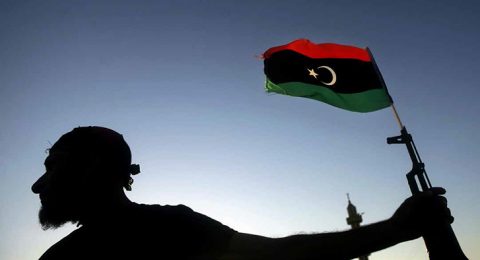
Militant Violence Spillover from Libya: The Threat to Egypt’s Oil and Gas Sector
Since the ouster of Muammar el-Qaddafi in 2011, the oil-rich country of Libya has descended into unrelenting violence, with rising fears that unrest could spill over the border into Egypt. The United Nations and foreign embassies in Libya have evacuated their staff and citizens, and many foreign airlines have terminated flights to Libya. Egyptian officials are openly anxious about growing links between militant groups in Libya and Egypt. With refinery attacks in Libya, and cross-border violence encroaching on Egypt’s Western Desert oil fields, concerns within the oil and gas industry are mounting.
Will Confidence in Sisi and Perceptions of Political Stability Translate into Oil and Gas Investment?
In a recent report from Business Monitor International, citing increased production efforts and positive attitudes toward operations in Egypt, it was stated that “The installation of the El-Sisi government has improved investor sentiment in Egypt,” while anticipating a “more stable environment for operators and investors over the coming years.” The Egyptian General Petroleum Corporation’s (EGPC) announcement at the beginning of the year to auction 22 new concessions, last month’s increase in fuel prices, as well as renewed plans to repay debt to operators are some of the efforts being made to motivate local and foreign investment. Many experts agree that initial reforms from Sisi’s administration and the political stability his presidency is expected to bring are having a positive effect, but it remains unseen if the sector will fully recover from Egypt’s damaged economy.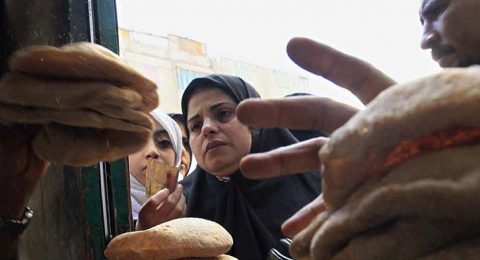
A Smarter Way to Allocate Bread?
It was early morning and Mahdi Abdisalem, 17, was waiting in line at a state-subsidized bakery in the Nazlt El Smam neighborhood of Giza, a short walk from the pyramids. “It’s an Egyptian routine” he said, “I wake up at 6am, my mother sends me out, and I wait for hours.”
Sisi’s Biggest Challenge: Fixing Egypt’s Faltering Economy
Reviving Egypt’s faltering economy is likely to be the biggest challenge facing Abdel Fattah al-Sisi, Egypt’s newly elected President. Egypt is experiencing an ongoing economic crisis characterized by corruption, a widening budget deficit, sluggish growth, soaring prices, energy shortages, high unemployment and entrenched poverty.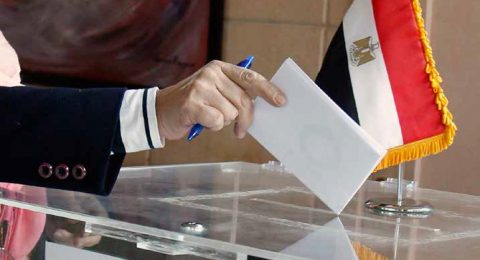
From June 30th to the Ballot Box: What’s Next for Egypt?
June 30th might seem like a long way off now – a lot has happened, after all. And yet, events over the past 12 months – fraught political polarization, violence, terrorism, repression and so-called “democratic transition, as well as the words and actions of June 30th’s most recognizable force, Sisi himself – could give us some clues as to where Egypt might be headed in the crucial months after the election.
On the Politics of Power Cuts
At the beginning of The Square - the Oscar-nominated Egyptian documentary which has rapidly become the go-to reference point for people outside the country wanting to understand Egypt's last three years - there is a power cut. Young Egyptians sit joking around a table in the dark. "The lights went out," one says. "Why?"