Features / Overview

Egypt’s Natural Gas Performance Promises Energy Resilience in 2023

In the past year, Egypt has been proving that it is able to compete in the natural gas market and develop its hydrocarbon production amid a global energy crisis. Despite the shortage and turbulence in the energy markets, which is affected by the Russian invasion of Ukraine, Egypt's energy performance has been going strong throughout 2022, with expectations to boost natural gas exports and ensure energy security in 2023.

Oil, Gas Sector Leads Egypt’s Decarbonization Journey

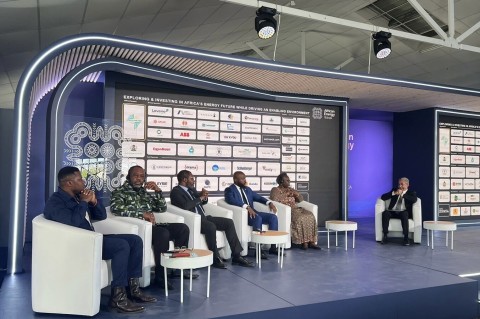
Egypt has been contributing positively to climate action movements and initiatives to face the challenges of climate change, while the Egyptian oil and gas sector has been at the forefront of Egypt’s decarbonization efforts. At last, the United Nations (UN) Conference of Parties (COP 27), which was held in Sharm El Sheikh in November, has given the oil and gas firms the opportunity to show their efforts and the role they can play in facing climate change. The Participation of the oil and gas sector in the summit's activities, and especially in the Decarbonization Day, held on November 11, was a remarkable addition to the COP activities.

Egypt’s Path to A Decarbonized Future

Egypt is one of the countries that will be significantly affected by climate change on several levels, including water scarcity, rising sea levels, and weather changes or heat waves. Therefore, it is crucial for the country to contribute to climate action and sustainable development plans adopted across the globe. Egypt is accelerating its decarbonization pace and working on energy diversification as the country is committed to its 'Sustainable Development Strategy: Egypt Vision 2030' and 'Integrated Sustainable Energy Strategy 2035', which were launched in 2015.

Collaboration, Commitment and Decarbonization: Supporting the Oil and Gas Industry in Its Path to Net Zero

With COP27 on the horizon, all eyes are on the oil and gas sector and our vital role in delivering safe, reliable energy with net zero emissions and playing a leading role in the energy transition. Both subjects are top of our agenda, and IOGP has been working with industry, helping operators to develop their action plans for the decarbonization of their facilities and products. Sharing knowledge and learnings from the industry journey so far and promoting standardization.

African Countries to Push for Energy Transition Justice

A few days before the global climate talks in Sharm El-Sheikh, a group of African energy senior officials stressed the necessity of unifying the African voice during COP27 to achieve climate justice, which would allow them to make effective use of their resources. In one way or another, the African energy sector leaders have expressed a common position that sees fossil fuels as necessary for expanding their economies.

Seeking More Hydrocarbon Production to Cope with Global Changes

Today, global energy security, especially in terms of oil and gas, is affected by several international events such as the repeated Coronavirus lockdowns, the Russian attack on Ukraine, and turbulences in global markets. Amid the world energy crunch and prospects of economic crises, Egypt is working on several levels to boost its production of hydrocarbon and green energy in order to contribute to providing a part of the world's energy demands and help its economy to navigates the looming international recession wave. Therefore, the Egyptian cabinet and the Ministry of Petroleum and Mineral Resources (MoP) have been taking several steps in this regard helped by the reforms they implemented in the past few years.

Natural Gas Locomotive of Egypt’s Energy Transition

Global Warming has become an issue threatening the existence of all living beings. Hence, many leaders across the globe have been directing their states to commit to climate action in order to face climate change. In this regard, Egyptian President Abdel Fattah El-Sisi has issued directives to decrease emissions from the electricity sector by 33%, oil and gas by 65%, and transportation by 7%, inspiring the country to work hand in hand to achieve these goals. Accordingly, the Ministry of Petroleum and Mineral Resources (MOP) has set natural gas as the first option in the energy transition to enable a safe transition with low-carbon emissions.

Building Resilience in Times of Crisis

Over the past few years, Egypt has been working on its assets and potential to cope with global changes. Despite challenges like the Coronavirus and the Russian attack on Ukraine, the Egyptian oil and gas sector has proved worthy of investments as it has made worth-noting achievements thanks to the efforts exerted to develop this sector.

Egypt’s Pipelines: A Key Enabler for Its Transformation into A Regional Energy Hub

Since the Russian-Ukrainian crisis started, Europe has been looking for alternative supplies for Russian oil and gas. Egypt is one of the recommended countries to be part of the solution. Not only due to having amounts of natural gas for exports, but also because of its efforts in developing the needed infrastructure for exports. During the past eight years, Egypt exerted big efforts to improve its pipeline infrastructure, especially those that connect the country to the other world countries.

Russian – Ukrainian: War Turns the Oil Markets Scales

Russia is a key player in the global energy markets and one of the top oil producers in the world. Since the beginning of its attack on Ukraine, the oil and gas markets have gone through a new wave of uncertainty and destabilization. The news of the war has sent the world’s inflation higher and took oil and gas prices to unprecedented levels since 2014. The attempts by European countries and the U.S. to punish Russia through sanctions including measures against the oil and gas sector have doubled the worries about supply and prices.

Page 5 of 14

Login

Welcome! Login in to your account

Remember me Lost your password?

Lost Password