
Features / Industry Insights

The Centurial Trifecta: Sun, Wind and…Gas?

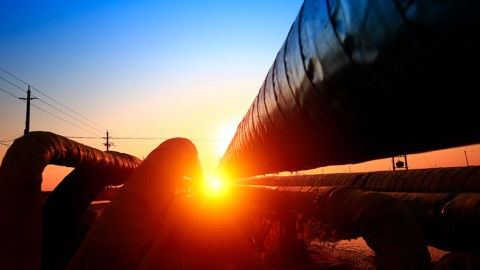
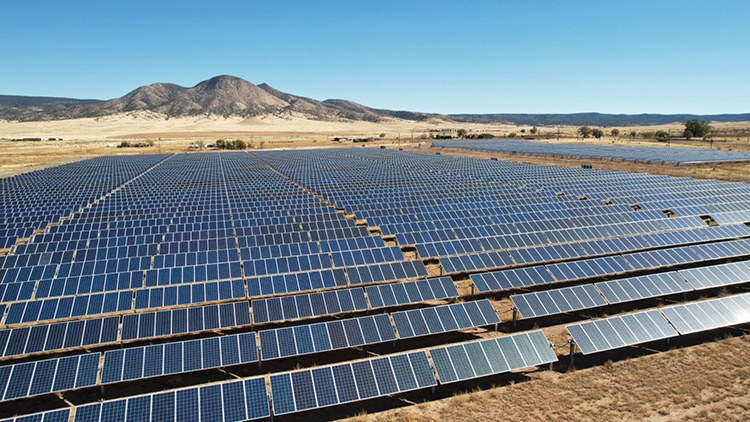
In Egypt, organizations are increasingly promoting the use of renewable energy sources, including solar panels, wind turbines, and hydro technologies. However, the energy sector remains heavily reliant on natural gas, a fossil fuel that emits greenhouse gases. This reliance is likely to persist as a cornerstone of the electrical system for years, if not decades, despite the growing integration of renewable energy sources.


Big Data: Setting Out for New Potential

To begin with, data has grown in popularity because it influences decisions in a variety of industries, giving companies the ability to learn and improve operations. Data creation has increased dramatically in the age of digital transformation, driven by the growth of big data and online interactions. Advanced data analytics tools have emerged as a result of this exponential expansion, giving businesses the ability to use data to gain a competitive edge.

Production Optimization: Better Performance for Enhanced Outputs

The oil and gas industry is constantly seeking innovative ways to enhance production efficiency and maximize output. By implementing advanced technologies and optimizing operational processes, companies can reduce costs, minimize environmental impact, and ensure a sustainable future.

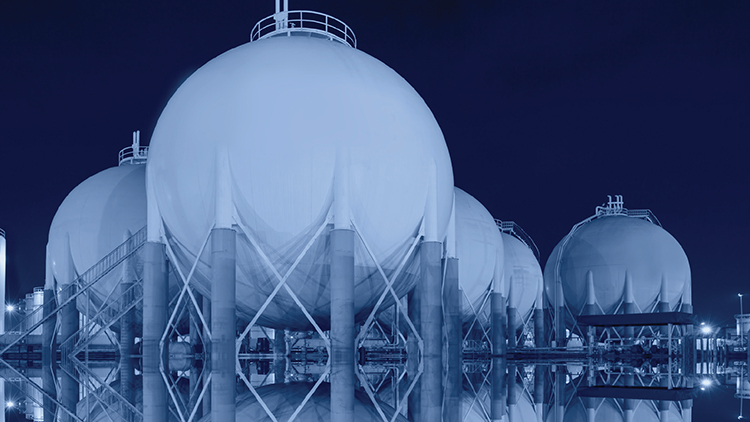
Storing For Security: Natural Gas Know-How

There is no question that when it comes to Egypt’s potential to harness and transport natural gas, Egypt has exceeded expectations of the international oil and gas community. In order for Egypt to remain on top, storage solutions for the transitional fuel is imperative.

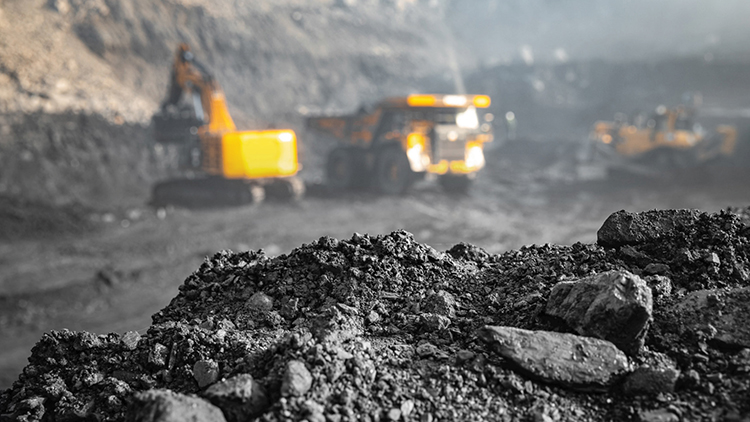
Enhancing Skills for Future Miners: The Key to Success

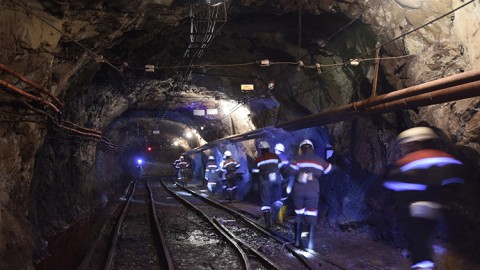
To begin with, the mining sector is experiencing a technological revolution, leading to a fast shift in the skills needed by its personnel. Miners of tomorrow have to be extremely proficient in a variety of fields, including automation, robots, and data analysis.

Decarbonizing Downstream: Prioritizing the Environment

In its pursuit of decarbonization, the downstream sector of the oil and gas industry, which includes the refining, processing, distribution, and selling oil and gas products, faces several obstacles. Downstream activities are essential to the sector's overall carbon footprint since they are the last stop in the supply chain for oil and gas. While companies are starting to feel the figurative and literal heat from environmentalists and policymakers, meeting SDGs is becoming more and more crucial in the oil and gas sector.

Advancing in Green Hydrogen

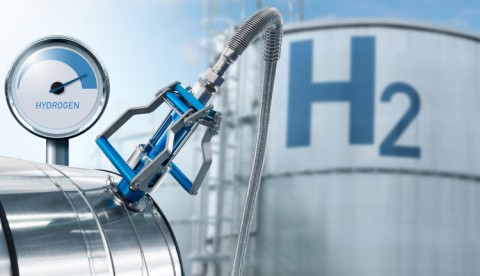
To begin with, because green hydrogen is produced by electrolyzing water with electricity produced from sources of renewable energy like the sun, wind, and hydropower, it is unlike any other clean fuel.

Enhancing Skills for Future Engineers: The Key to Success

The oil and gas industry, among the biggest worldwide, is crucial to providing the world with the energy it requires. There are many different employment opportunities in the business for those who fulfill the educational and experience criteria. Professionals in the oil and gas industry require a broad variety of technical abilities in order to function successfully and efficiently. With that, it is important to consider the technical expertise needed in the oil and gas sector.

Digital Transformation: Egypt’s Key to Unlocking Gas Hub Potential

This seismic movement towards digital transformation is nothing new to the oil and gas sector. The digital transformation of the oil and gas sector has the potential to improve job safety, contribute to a more sustainable future, and increase operational efficiency. The subject has taken center stage in international forums and has gained traction among officials in the sector and policy strategists.

All’s Fair in Gender Budgeting

To begin with, the goal of gender budgeting is to address gender inequity and the empowerment of women via the use of fiscal policy and management. The examination of how various genders are impacted by policies and related budgets is also known as gender budgeting. The strategy does not call for budgets that are different for men and women. Rather, it entails proactively determining how expenditure affects gender equality, which will help to better target funding decisions and provide better results.

Page 2 of 17

Login

Welcome! Login in to your account

Remember me Lost your password?

Lost Password