
Features / Industry Insights

Decarbonizing Downstream: Prioritizing the Environment

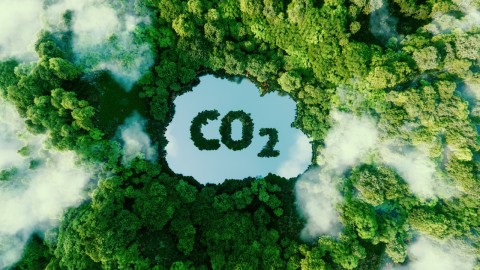
In its pursuit of decarbonization, the downstream sector of the oil and gas industry, which includes the refining, processing, distribution, and selling oil and gas products, faces several obstacles. Downstream activities are essential to the sector's overall carbon footprint since they are the last stop in the supply chain for oil and gas. While companies are starting to feel the figurative and literal heat from environmentalists and policymakers, meeting SDGs is becoming more and more crucial in the oil and gas sector.

Advancing in Green Hydrogen

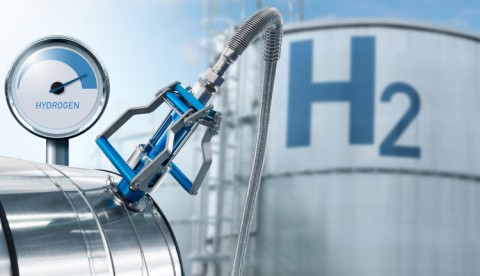
To begin with, because green hydrogen is produced by electrolyzing water with electricity produced from sources of renewable energy like the sun, wind, and hydropower, it is unlike any other clean fuel.

Enhancing Skills for Future Engineers: The Key to Success

The oil and gas industry, among the biggest worldwide, is crucial to providing the world with the energy it requires. There are many different employment opportunities in the business for those who fulfill the educational and experience criteria. Professionals in the oil and gas industry require a broad variety of technical abilities in order to function successfully and efficiently. With that, it is important to consider the technical expertise needed in the oil and gas sector.

Digital Transformation: Egypt’s Key to Unlocking Gas Hub Potential

This seismic movement towards digital transformation is nothing new to the oil and gas sector. The digital transformation of the oil and gas sector has the potential to improve job safety, contribute to a more sustainable future, and increase operational efficiency. The subject has taken center stage in international forums and has gained traction among officials in the sector and policy strategists.

All’s Fair in Gender Budgeting

To begin with, the goal of gender budgeting is to address gender inequity and the empowerment of women via the use of fiscal policy and management. The examination of how various genders are impacted by policies and related budgets is also known as gender budgeting. The strategy does not call for budgets that are different for men and women. Rather, it entails proactively determining how expenditure affects gender equality, which will help to better target funding decisions and provide better results.

Bridging the Gap: Can Natural Gas Help Us Cross Over to Renewables?

For many years, natural gas has been heavily promoted as a useful bridge to renewable energy instead of coal. The idea is that natural gas can replace "dirtier" petroleum products like coal and, in certain situations, oil, as solar power plants and turbines for wind energy are constructed.

Decarbonization Goals: New Year’s Outlook into a Greener Future

The 28th United Nations Climate Change Conference, better known as COP28, convened in Dubai, United Arab Emirates, from November 30 to December 12, 2023. This global gathering served as a crucial platform for nearly all nations to unite in confronting the escalating climate crisis.

The Trailblazing Transition: Natural Gas & Clean Energy Infrastructure

To begin with, oil and gas products are now the primary source of hydrogen creation, and the production of green hydrogen is costly. Hydrogen is known to be a fluid energy carrier, according to the International Energy Agency (IEA), with an extensive variety of uses in industries like transportation and manufacturing.

Diversify to Ensure Supply

To begin with, a diversified energy mix is often viewed as a crucial component of energy security since having several sources enables a nation to keep running normally even if one of its sources of energy is unsuccessful.

Clean Transportation: The Time to Invest Is Now

To begin with, the most underestimated contributor to global warming emissions worldwide is oil, which has dominated the transportation energy market for over 50 years. Beneath the pump lies a global oil supply chain that is undergoing changes that have significant effects on the climate. The oil industry is progressively seeking to ever-riskier sources of oil and more polluting production techniques as the conveniently accessible fuels that characterized the oil booms of the previous century are diminishing.

Page 3 of 18

Login

Welcome! Login in to your account

Remember me Lost your password?

Lost Password