Features / Energy Economics

Is Hydrogen the Economic Remedy for Inflation?

In economics, the laws of supply and demand are two factors that drive price fluctuations and govern market dynamics in any economy around the world, big or small. Scarcity drives prices up while an increase in supply forces prices down.

How Investing in Capacity Building: Is Essential for Digitalization in The Oil & Gas Industry

Capacity building is a critical component for introducing many different innovations and is an essential prerequisite for introducing a digital infrastructure to any properly functioning economic system, most notably the oil and gas sector. Though experts agree that digitalization to ensure the oil and gas market’s competitiveness within the global economy, funding and investing in the necessary capacity-building initiatives to enable digital transformation is a detail that is often overlooked.

Egypt’s Renewable Energy Revolution Lures Investments, Works in Harmony with Petroleum Sector

The Egyptian investment climate has turned green, and by “going green” economists are not talking about irrigation. They are referring to Egypt’s booming renewable energy industry and the massive global attention that it has received from foreign investors during the recent period.

Energy Transition: Remedies the Economic Woes of The World’s Women

The absence of renewable energies within the market can only entail that energy resources will be plagued with scarcity and therefore be subject to the economic forces of supply and demand which entails a state of energy poverty or at the very least energy insecurity.

Powering Up Energy Efficiency in The Oil and Gas Industry Through Leveraging Financial Tools

Many energy experts would agree that a key factor in realizing the accomplishment of sustainable development goals (SDGs) by using all means possible to enhance energy efficiency both in the energy industry and in other sectors of the global economy.

The Loss and Damage Fund: A Global Effort to Finance a Just Energy Transition

As an idea that was born in Egypt at COP27, the Loss and Damage Fund was officially launched at COP28 in Dubai. It was received with overwhelming support from many, particularly in the developing world. The initiative is also bold enough to raise a few eyebrows and yet ambitious enough to fully realize the vision of a just energy transition that so many in the developing world have been pushing for. The Loss and Damage Fund has come as the financial savior, saving many of the world’s less fortunate nations from fiscal ruin due to the damages created by unforeseen natural disasters with climate change being the primary culprit. Within the realm of the oil and gas industry, the scenario is somewhat more complicated, but the initiative is more positive for the petroleum sector than some may perceive.

LNG Has Turned the Tables of Energy Infrastructure Economics

Being a fairly recent discovery, liquefied natural gas has opened the doors to new possibilities and potentially faster, more secure access to hydrocarbon energy resources. Groomed to be the ideal transitional fuel that will power the world market’s evolution into a global economy that will be largely dependent on renewable energy, LNG has been the impetus behind reform not only when it comes to emissions reduction and climate action, but major infrastructural changes as well.

Energy Diversification: Economic Catalyst or Conundrum?

Fossil fuels are currently the fundamental backbone that the global economy needs to get its energy and supply high-demand markets, especially with the winter season drawing close. Yet, in the competitive environment that countries have to face, limiting a market’s source of energy to one type has become nothing more than economic suicide. As it has become a key rule to accept diversity and inclusion to succeed, the energy sector must follow the same rule in not just its people, but the types of energy it uses. The relationship between energy diversification and economic growth is indeed complex, something which needs to be carefully fine-tuned as policies according to the conditions of each individual country. It has been found, as many experts would agree, that energy diversity is undoubtedly a catalyst for economic growth.

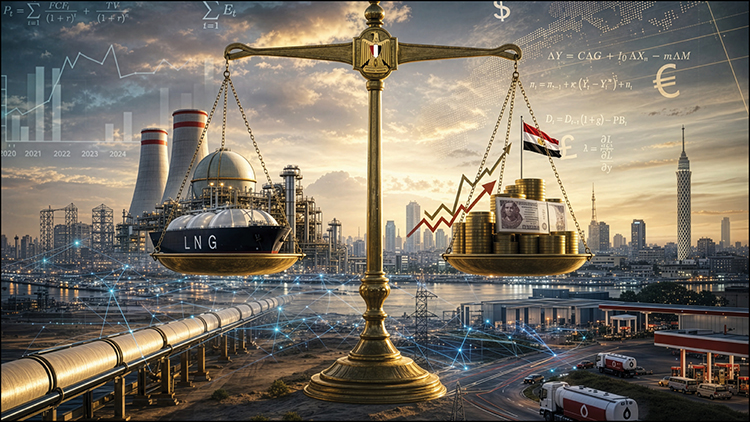
How Technology Has Become a Key Catalyst for Energy Investments

Many have spoken about the energy transition, but few talk about what it will take to accomplish it. Never have the issues of energy security, energy transition, and energy efficiency been as closely intertwined as they are today. With production cuts, price hikes, and global inflation creating a tumultuous global economy and an atmosphere of uncertainty within energy markets around the world, nothing better can remedy economic volatility than increased investment.

Using Deregulation as A Catalyst for Downstream Economic Growth

Deregulation has been the subject of debate between economic intellectuals on all sides of the political aisle. On one side of the spectrum, an argument can be made that deregulation of the downstream sector increases competition but gives too much control to the private sector, especially when it comes to product prices.

Page 3 of 6

Login

Welcome! Login in to your account

Remember me Lost your password?

Lost Password