Features / Energy Economics

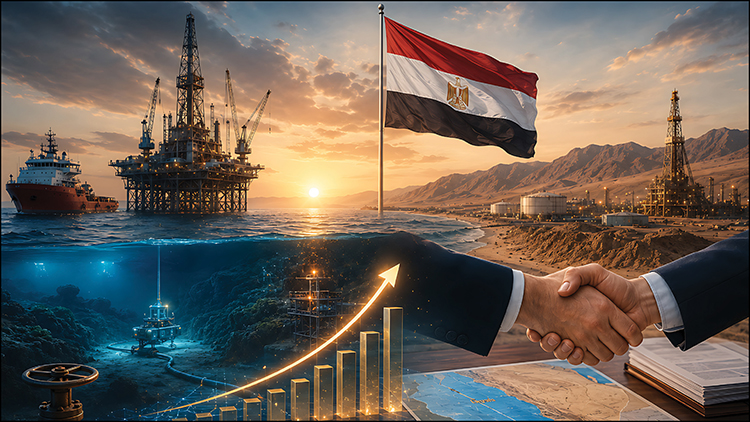
Red Sea Reforms: From Frontier Promise to Capital Flow

Egypt’s Red Sea oil and gas sector has long been described as a frontier of untapped potential, yet persistent fiscal and operational hurdles have nevertheless kept international oil companies (IOCs) at arm’s length. As a consequence, bid rounds have been delayed, arrears have accumulated, and investor confidence has faltered—leaving exploration opportunities more theoretical than tangible. Today, by contrast, Egypt is recalibrating its approach.
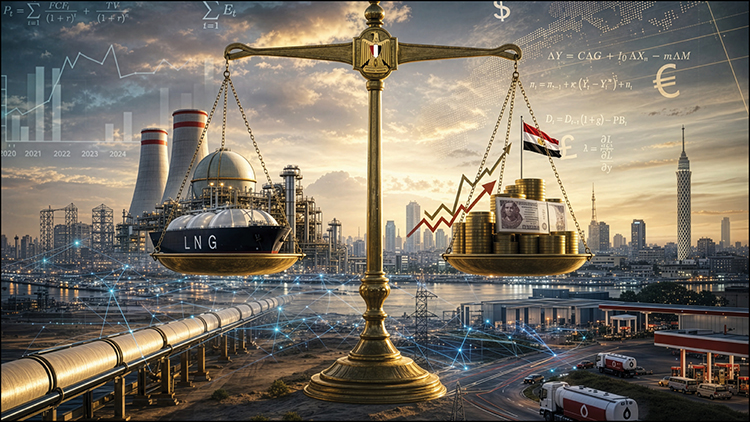
Egypt’s War Math: Balancing Energy Supply and Cost

The ongoing war has unleashed complex macroeconomic challenges for Egypt, with energy at the heart of the storm. As a net energy importer, the government faces the formidable task of navigating the financial arithmetic of conflict while executing International Monetary Fund (IMF)-mandated reforms, most notably the politically sensitive reduction of energy subsidies.

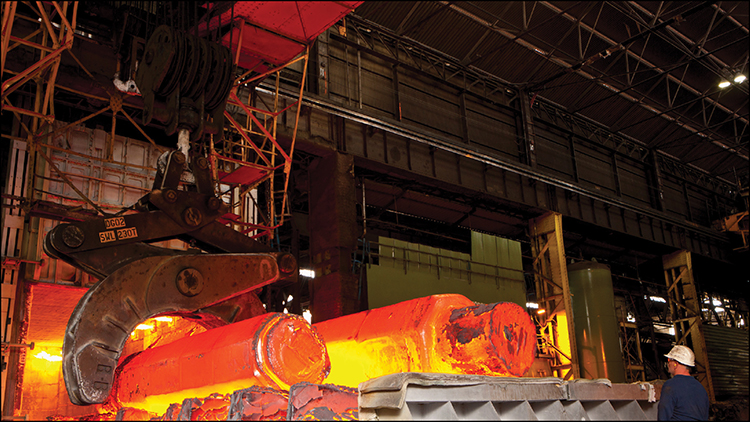
From Gas to Green: The Tough Transition for Egypt’s Energy-Intensive Industries

Rising geopolitical tensions in the Middle East have significantly affected economies across the region, including Egypt. Surging oil and natural gas prices, coupled with global supply chain disruptions, have fueled inflation and reshaped energy strategies.

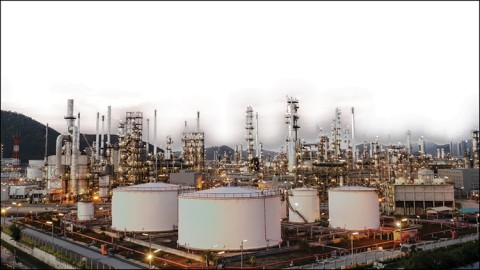
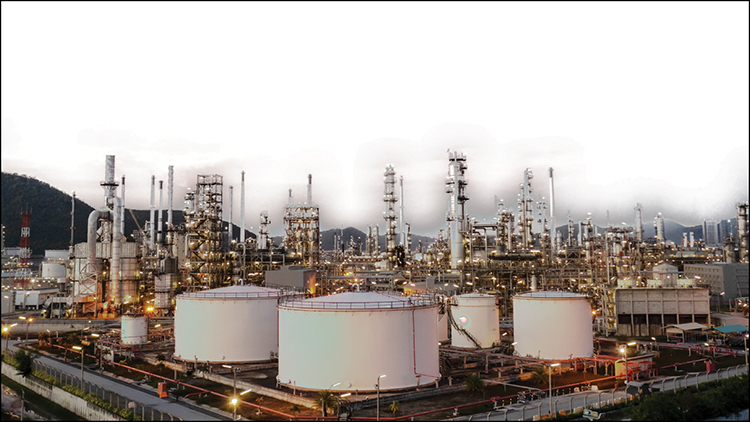
Refinery Expansions and Upgrades Power Egypt’s Oil Sector

Oil-importing nations like Egypt face a persistent challenge: balancing rising domestic demand with the volatility of global energy markets. By building and upgrading refining capacity, countries can reduce their dependence on imported finished products such as gasoline and diesel, which are often subject to price swings and supply disruptions.

Efficiency Drives Growth: How Egypt’s Oil and Gas Sector Is Cutting Costs and Boosting Production

For exploration and production (E&P) operators, cost control is no longer simply a profitability measure, it is central to sustaining reserves, attracting investment, and safeguarding long-term sector stability. In capital-intensive industries like oil and gas, disciplined financial management directly shapes production economics and foreign currency flows.

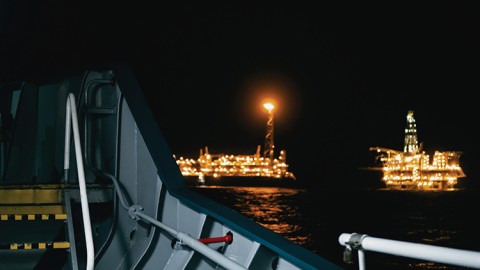
Delta Med Corridor: Bullish outlook for Production, Exports

Together the Mediterranean and Nile Delta anchor Egypt’s hydrocarbon mix, supplying a disproportionate share of the country’s gas and condensate and balancing export scale deepwater projects with faster, mid scale developments in shallow waters and onshore. The corridor delivers both scale for long term export contracts and agile projects that stabilise domestic supply and generate quicker cash flow.

Egypt Bets Big on Petrochemicals: Expanding Production, Powering Export

Egypt’s petrochemicals sector became of increased importance as the country seeks to leverage its natural gas reserves and industrial capacity to drive economic growth. As global demand for plastics, fertilizers, and other downstream products continues to rise, Egypt is positioning itself as a regional hub for petrochemical production and investment. The sector not only supports domestic economy but also contributes significantly to exports.

Fueling Egypt’s Future: Gas, Diesel, Or Renewables?

Egypt is facing growing pressure to secure reliable and affordable energy as domestic consumption continues to rise. For years, natural gas has served as the backbone of the country's energy system, especially after major offshore discoveries like the Zohr field briefly put Egypt on the map as a regional gas exporter. But as local gas production declines, the government has turned to importing liquefied natural gas (LNG), diesel, and fuel oil (mazut) to plug the gap — a costly move that’s straining public finances. In this report EOG sheds light on the optimum source of energy Egypt should be using.

From Shore to Fortune: The Economic Potential of Black Sand

Egypt is among the richest countries in black sand—a valuable natural resource with significant economic and industrial importance due to its high concentration of heavy minerals. The estimated reserves in Egypt are about 1.3 billion cubic meters (bcm), according to the Cabinet’s Information and Decision Support Center (IDSC).

Betting on the Unknown: Egypt’s Economy Faces Oil Price Uncertainty

The international prices of oil and gas remain among the most powerful levers shaping the global economy, particularly at a time when key energy exporters like Russia and Iran are entangled in escalating conflicts.

Page 1 of 6

Login

Welcome! Login in to your account

Remember me Lost your password?

Lost Password