Russia Remains Undecided on OPEC Output Deal
Russian Energy Minister, Alexander Novak said that it was too early to speak about preferable options, adding that “we should do what is more expedient for us.”
Russian Energy Minister, Alexander Novak said that it was too early to speak about preferable options, adding that “we should do what is more expedient for us.”

Gazprom Neft now assumes the deal will be effective until the middle of the year.
The meeting might be canceled to assess the impact of the production cuts on the market especially under US sanctions on Iran and Venezuela
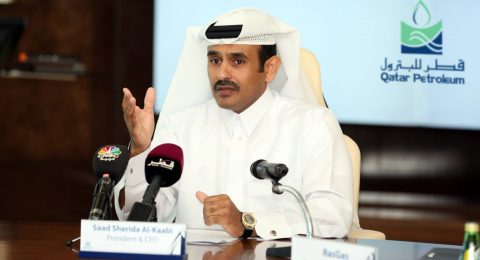
Qatar announced on December 3 that it will exit the Organization of the Petroleum Exporting Countries (OPEC) and increase its focus on gas.
The Organization of the Petroleum Exporting Countries (OPEC) and its Russia-led allies (OPEC+) agreed to reduce oil production by around 1.2 million barrels per day (b/d) during a meeting in Vienna on December 6.

Saudi Arabia's crude production hit record highs in early November following large orders made in early October in preparation for the loss of Iranian crude from the market.
The Organization of the Petroleum Exporting Countries (OPEC) are expected to agree oil production cuts starting from December.
Oil prices have dropped by more than $20 since October, falling to $66.5 per barrel from a peak of $86.7.
Qatar has named Saad al-Kaabi as the head of its OPEC delegation, replacing Mohammed al-Sada, OPEC announced on its website on November 14.
Saudi Arabia, the biggest OPEC producer, is discussing a proposal to cut oil output by up to 1 million barrels per day (b/d) between OPEC and allies.