News / International

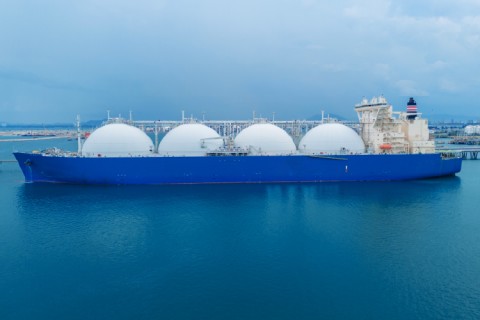
QatarEnergy Markets LNG Tankers for Charter Amid Ongoing Production Shutdown

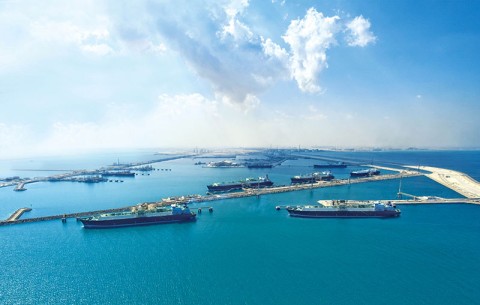
QatarEnergy is offering ten liquefied natural gas (LNG) tankers for lease that are currently positioned outside the Strait of Hormuz, according to industry sources, as the company deals with a production halt at its 77 million tons per year (mmt/y) facility after the escalation of the U.S.–Israel war with Iran disrupted shipping through the Strait of Hormuz.

Putin Warns Russia Could Halt Gas Supplies to Europe Amid Iran Crisis

President Vladimir Putin warned that Russia may halt gas supplies to Europe as energy prices surge following the escalating crisis involving Iran. Speaking on March 4, Putin said the possibility was being considered as the European Union moves toward banning purchases of Russian pipeline gas by 2027 and restricting new short-term contracts for Russian liquefied natural gas (LNG) from April 2026.

QatarEnergy Declares Force Majeure After Halting LNG Production

QatarEnergy has declared force majeure to several buyers after announcing a halt in the production of liquefied natural gas (LNG) and related products, according to a press release by the company.

Force majeure is a legal clause that allows a company to temporarily suspend or cancel its contractual obligations when extraordinary events beyond its control prevent it from fulfilling them. Such events can include wars, natural disasters, government actions, or major supply disruptions. In these situations, the company is not held liable for failing to deliver under the contract.

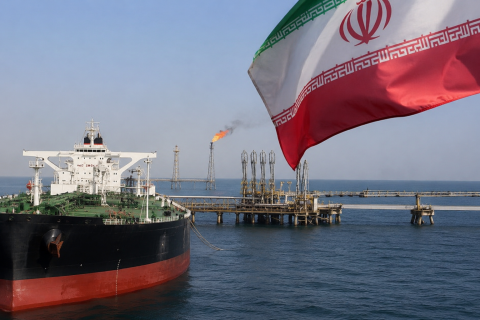
Oil Tanker Crosses Strait of Hormuz Amid Ongoing Regional Disruptions

An oil tanker has navigated the Strait of Hormuz on route to the United Arab Emirates (UAE) to lift crude oil, marking one of the few voyages through the strategic waterway since regional hostilities disrupted shipping flows across the Middle East, according to industry sources and vessel-tracking data cited by Reuters.

$150 Oil Possible if Hormuz Remains Shut, Says Wood Mackenzie

The escalation of conflict in the Middle East following US and Israeli strikes on Iran has placed global energy markets on edge,  Wood Mackenzie, a global leader in data, analytics and insights for the energy and natural resources industry, said, warning that oil and LNG prices are “heavily risked to the upside” if disruptions in the Strait of Hormuz persist.
In a special webinar about Middle East conflict and implications for oil and LNG prices that was held on 2 March, Wood Mackenzie said the scale of supply at risk dwarfs previous geopolitical shocks.

Middle East Conflict Disrupts Oil and Gas Flows, Heightening Global Energy Fears

Rising military tensions between the US , Israel and Iran are disrupting oil and gas supplies across the Middle East, intensifying fears over global energy security and renewed price volatility.

QatarEnergy Suspends LNG Output Following Strikes on Industrial Sites

QatarEnergy has halted production of liquefied natural gas (LNG) and related products after military attacks targeted its operational facilities in Ras Laffan Industrial City and Mesaieed Industrial City in Qatar.

US-Iran Hostilities Disrupt Supertanker Costs to Surpass $423,000 Per Day

Global oil and gas transport costs have surged sharply, with supertanker rates in the Middle East climbing to unprecedented levels amid escalating hostilities between the United States and Iran, according to Reuters. 

The benchmark TD3 freight rate (a standardized industry metric used to calculate the cost of transporting 270,000 tons of crude oil on a Very Large Crude Carrier (VLCC) from the Middle East Gulf to Ningbo, China) climbed to a historic high of Worldscale 419 on March 2. This is equivalent to approximately $423,736 per day, according to LSEG shipping data. The rate has more than doubled since February 27, extending the gains from last week when prices had already surged to a six-year high.

Brent Climbs Above $78 Amid Gulf Tensions, Shipping Disruptions

Global oil prices climbed sharply as escalating tensions in the Middle East and disruptions to shipping through the Strait of Hormuz heightened fears of supply shortages, pushing crude benchmarks to their highest levels in several months, according to the Egyptian General Petroleum Corporation (EGPC). 

Page 10 of 1142

Login

Welcome! Login in to your account

Remember me Lost your password?

Lost Password