Multiple trade sources and vessel-tracking data show China state-owned Sinopec, the world’s largest refiner, stepping up purchases of Russian Far East crude to offset disruption in Middle Eastern supplies caused by the US-Israeli war on Iran, according to Reuters.
Sinopec bought between 30 and 40 shipments of ESPO-blend crude for July–September delivery, equivalent to about 241,000–320,000 barrels per day (bbl/d), roughly 5–6% of its 5.2 million barrels per day (mmbbl/d) refining capacity, said Reuters, adding that most July cargoes, about 7.4 mmbbls — were delivered to the company’s Rizhao refinery in Shandong province.
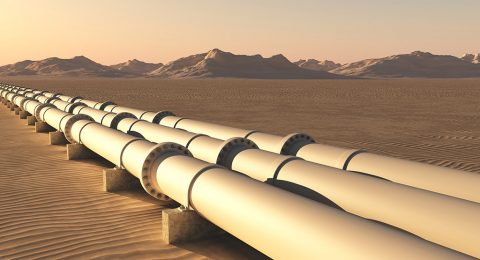
ESPO blended crude oil refers to a high-quality crude blend originating from the Eastern Siberia–Pacific Ocean (ESPO) pipeline system, a major export route for Russian oil to Asian markets.
Sinopec’s purchases of this crude helped sustain relatively stable throughput.
“Rather than broad import growth, demand has shifted toward cargoes with more reliable delivery and lower freight costs, specifically onshore stocks and short-haul shipments from Russia’s Far East,” Emma Li, lead China analyst at ship-tracking firm Vortexa Analytics, told Reuters.
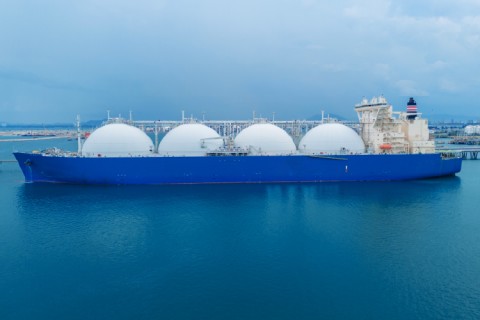
Sinopec bought at least ten cargoes each for August and September; ESPO typically sails on medium-range tankers carrying about 740,000 barrels as Reuters reported.
Recent September-loading ESPO was fixed at a $1–$2 per barrel discount to Brent, making it roughly $10 a barrel cheaper than competing grades such as Oman and Brazil’s Tupi. Before the Iran war, ESPO traded at about a $10 per barrel discount.
China, the world’s largest crude importer, has sharply reduced overall crude imports since the Iran conflict began, with June purchases down 41% year-on-year, Reuters data show.
State refiners including Sinopec had suspended Russian crude buys in October after US sanctions on Rosneft and Lukoil but resumed purchases in March–April following a temporary US exemption and expanded volumes again after the waiver lapsed amid tighter Middle East supplies.