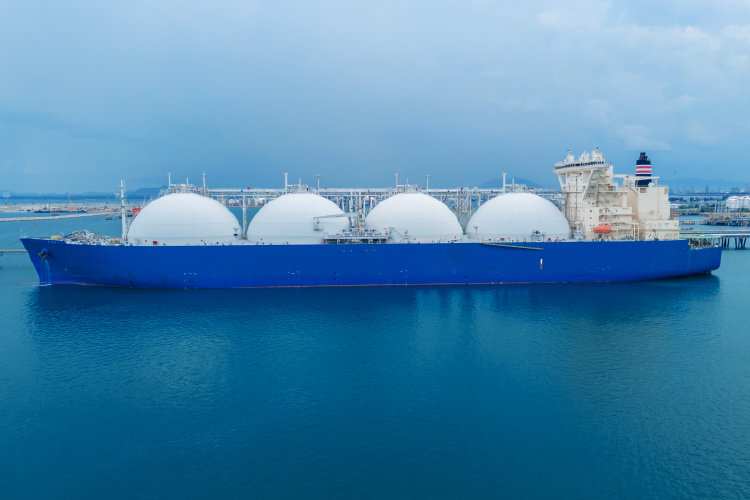
China and India’s liquefied natural gas (LNG) imports are expected to recover from multi-year lows once the Middle East supply crunch ends and prices decline, Reuters reported, citing industry executives.
The Middle East conflict has disrupted LNG exports from Qatar and the UAE through the Strait of Hormuz, which previously carried around one-fifth of global LNG supplies. The disruptions have pushed up LNG prices in Asia and reduced demand as buyers compete with Europe for limited supplies ahead of the winter season.
Shell estimates that around 36 million tons (mt) of LNG supplies from the Middle East have been lost so far this year, Cederic Cremers, President of Integrated Gas at Shell, said at the Gastech conference in Bangkok, according to Reuters.
Asian spot LNG prices have increased to nearly $30 per million British thermal units (mmBtu), compared with around $10/mmBtu before the conflict.
The higher prices have particularly affected demand in India, where several industries can switch to other fuels when natural gas becomes less competitive, said Deepak Gupta, Chairman of India’s GAIL.
“There are many industries which switch over to different fuels in case gas is not viable for them,” Gupta said.
GAIL and PetroChina, China’s largest LNG importer, have deployed trading teams to secure alternative LNG cargoes to replace disrupted supplies from Qatar and the UAE.
Gupta said India initially had to reduce gas consumption but later restored supplies to around 90%-95% as GAIL expanded its ability to source LNG from other markets.
he said that LNG prices could ease as around 150 mt to 200 mt of new LNG supply is expected to come online over the next four to five years.
He also expects demand from India’s power and industrial sectors to increase over the longer term, supported by natural gas’s lower emissions compared with other fossil fuels.
In China, Luo Yizhou, CEO of PetroChina International, expects demand from gas-fired power plants to recover once LNG prices return to a normal range of $7-$9/mmBtu.
Luo attributed the decline in China’s LNG imports to temporary demand suppression caused by high prices, saying he does not expect the situation to reduce the country’s long-term gas demand.