Saudi Arabia could run out of oil stocks available for export within days if it fails to restart its East-West pipeline to the Red Sea, potentially removing up to 4% of global oil supply, according to Saudi oil buyers and traders.
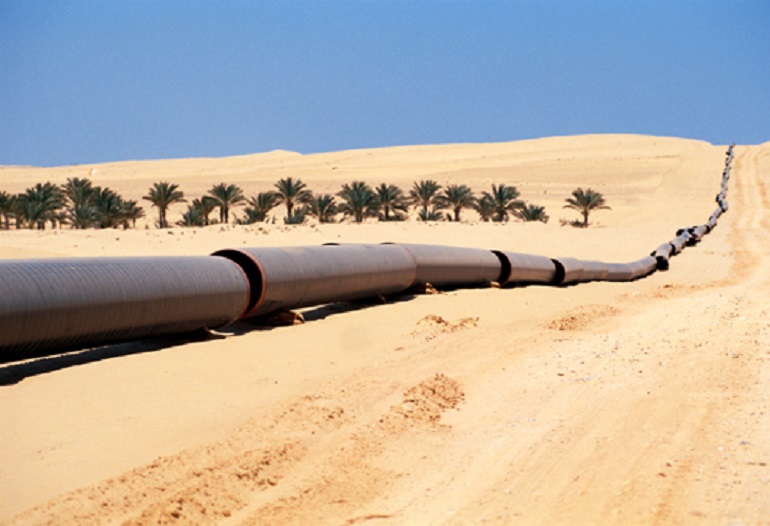
The pipeline was shut on September 11, following drone attacks, with Riyadh yet to disclose the extent of the damage or provide a timeline for repairs. Industry sources gave varying estimates, with one expecting repairs to take five to six weeks, while another said the pipeline could resume partial operations sooner while repairs continue.
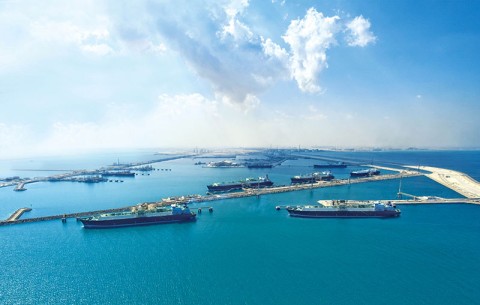
The pipeline has helped Saudi Arabia mitigate the impact of the wartime closure of the Strait of Hormuz by rerouting around 4 million barrels per day (bpd) to Yanbu on the Red Sea.
However, three industry sources said Yanbu currently holds enough stocks to maintain exports for only five to seven days. Saudi Arabia also has several days of export supplies stored at Egypt’s Ain Sukhna and Sidi Kerir ports, according to a fourth source.
Yanbu has an estimated storage capacity of 35 million barrels (mmbbl), while Ain Sukhna and Sidi Kerir can hold around 18 million and 20 mmbbl, respectively. The facilities are not fully stocked, meaning supplies could eventually run out if the pipeline remains offline.
The disruption comes as Saudi oil supply fell to its lowest level in more than three decades in August amid reduced flows through the Strait of Hormuz and the Red Sea, according to the International Energy Agency (IEA).
The IEA expects global oil supply to decline by 5.7 million bpd, or around 6%, this year.
Meanwhile, Houthi fighters in Yemen, who have threatened Saudi oil shipments, seized an island at the mouth of the Red Sea on September 11, adding to concerns over regional oil supply disruptions.
The drone strikes and moves by Yemen’s Houthi fighters mark a major escalation in the long-running proxy conflict between Saudi Arabia and the Iran-aligned group. Since the escalation of regional hostilities, the Houthis have repeatedly targeted Saudi energy infrastructure and critical maritime chokepoints, most notably the Bab el-Mandeb Strait, to disrupt oil flows.