QatarEnergy is in talks with several US liquified natural gas (LNG) producers to secure multi-year supply agreements extending through 2031, as the company seeks to make up for production capacity lost following attacks on its Ras Laffan facilities, according to three commercial and oil and gas industry sources cited by Reuters.
The discussions reportedly include Venture Global, Cheniere, and Woodside, with QatarEnergy Trading, QatarEnergy’s trading arm, looking to secure between 2 and 3 million tons per year (mt/y) of LNG through 2031, one of the sources said.
The potential agreements represent a shift in QatarEnergy’s approach to managing the supply shortfall. The company had previously relied on purchasing multiple US LNG cargoes from the spot market to help fulfill its commitments to some Asian customers. It is now seeking longer-term supply arrangements to provide greater certainty over available volumes.
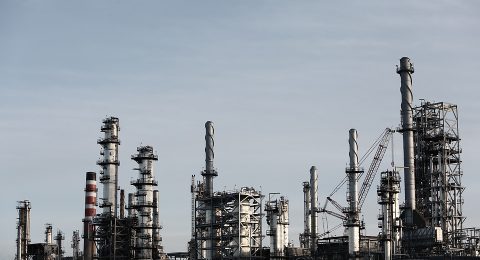
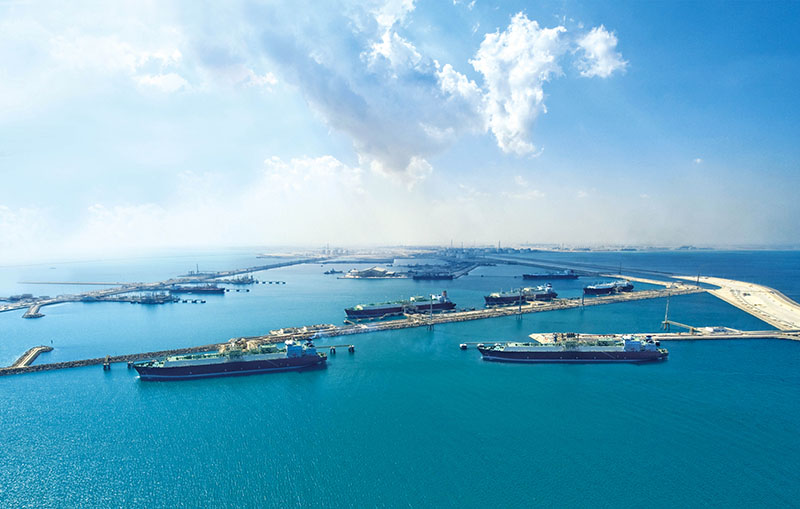
QatarEnergy’s Ras Laffan facilities were damaged during Iranian attacks in March, affecting two of its 14 LNG production trains, in addition to a gas-to-liquids facility.
QatarEnergy CEO Saad Al Kaabi said in March that the repair process would take three to five years, resulting in the temporary loss of approximately 12.8 mt/y of LNG production capacity.
Since production was disrupted in March, QatarEnergy has continued to renew its force majeure notices on a monthly basis. The latest notices have been extended through November, while further extensions remain possible amid continued uncertainty over the Strait of Hormuz.
Qatar typically sends around 80% of its LNG exports to Asian customers, leaving the company under pressure to secure alternative supplies as uncertainty over the waterway continues.
The disruption has also prompted some Asian LNG buyers to explore alternative sources to replace Qatari volumes. Market participants are assessing different scenarios based on the potential duration of the disruption and the availability of Qatari LNG.
One industry source said QatarEnergy would likely seek to secure whatever additional volumes are available as it works to compensate for the production shortfall.