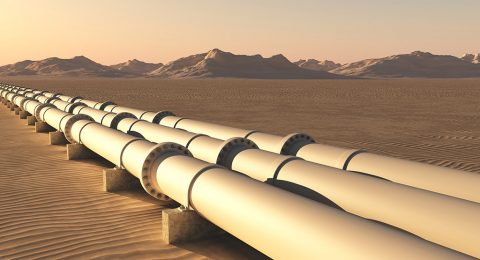
In this exclusive interview, Emma Richards, Associate Director, Oil & Gas Research at BMI, Fitch Solutions outlines the far‑reaching impact of the Saudi East‑West Pipeline shutdown, assessing how the disruption could squeeze the Kingdom’s Red Sea exports and ripple through global oil markets. The discussion highlights the fragility of alternative routes, the immediate price pressures already visible in Brent futures, and the broader geopolitical tensions shaping the outlook.
How could the temporary shutdown of Saudi Arabia’s East-West Pipeline affect the Kingdom’s crude oil exports?
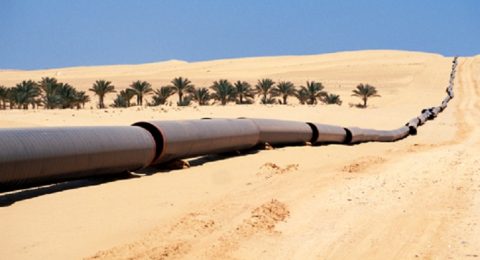
Prior to the attack, Saudi Arabia was exporting around 4mn b/d via Yanbu on the Red Sea; at their peak, Red Sea oil exports exceeded 5mn b/d. All of that was being fed by the East-West Pipeline, so the impact could be significant. That said, it all depends on the duration of the outage. Inventories give them a few days’ grace, but without at least a partial restart of the pipeline, Aramco’s Red Sea oil exports could collapse later this month.
What impact could the disruption have on global oil prices?
We’re already seeing the impact play out. The front-month contract for Brent futures on September 15 was trading at around USD109/bbl, up around 8% since the attack (the oil price is trading at USD101.90/bbl on September 21). This is just one part of a much bigger story though, spanning the US-Iran, Saudi-Houthi and Russia-Ukraine conflicts. Price pressures are building across markets for crude oil and refined fuels, and Brent could top the highs it reached earlier in the conflict next quarter.
Could Saudi Arabia rely on alternative export routes or terminals to offset the disruption, and how much flexibility does the Kingdom have in redirecting its crude exports?
Red Sea oil exports have been high because Aramco had rerouted volumes away from the Strait of Hormuz earlier in the conflict, and there is some flexibility to reverse that. If the pipeline outage is sustained, we’d certainly expect Aramco to increase exports through its Gulf terminals and via Hormuz. But the route is still very insecure, and ongoing security threats, intermittent disruptions and rising logistical frictions will limit how much of the lost Red Sea volumes can be redirected east.
How long do you expect the pipeline shutdown to last, and what factors will determine when operations can resume?
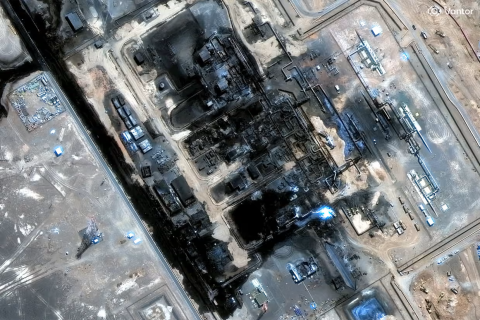
Without knowing the nature and extent of the damage to the pumping stations, we’d only be guessing. Pipeline repairs can generally be completed relatively quickly (days and weeks, not months), and Aramco has a strong track record in that regard. It’s a strategically important asset, so they likely have redundancies built in and, all else equal, I’d bet on seeing at least a partial restart sooner rather than later. But ultimately it will come down to the severity of the damage and how complex repairs prove to be. The more extensive the damage, the greater the challenge of sourcing the right equipment and materials, and the longer the likely lead time for repairs.
Could the disruption create opportunities for other oil-exporting countries to increase their exports or gain market share?
Probably not, not to any meaningful degree. Spare production capacity outside of the Middle East is extremely limited and what little there is has likely already been exhausted this year. The US has increased exports in response to the US-Iran conflict, but that’s largely been driven by strategic inventory releases. Elsewhere, export growth has been unrelated to the war – political shifts in Venezuela, for example, or the start-up of long-lead projects in Guyana or Brazil. There is very little genuine swing supply that can be brought online quickly to offset a major Saudi disruption.
And that’s part of the problem. The buffers that helped keep prices in check earlier this year are progressively being eroded, leaving the market much tighter and more precariously positioned heading into Q4. Unless the current status quo changes, price pressures are likely to keep building and Brent could push above the levels seen earlier in the conflict, even without a return to high-intensity warfare.