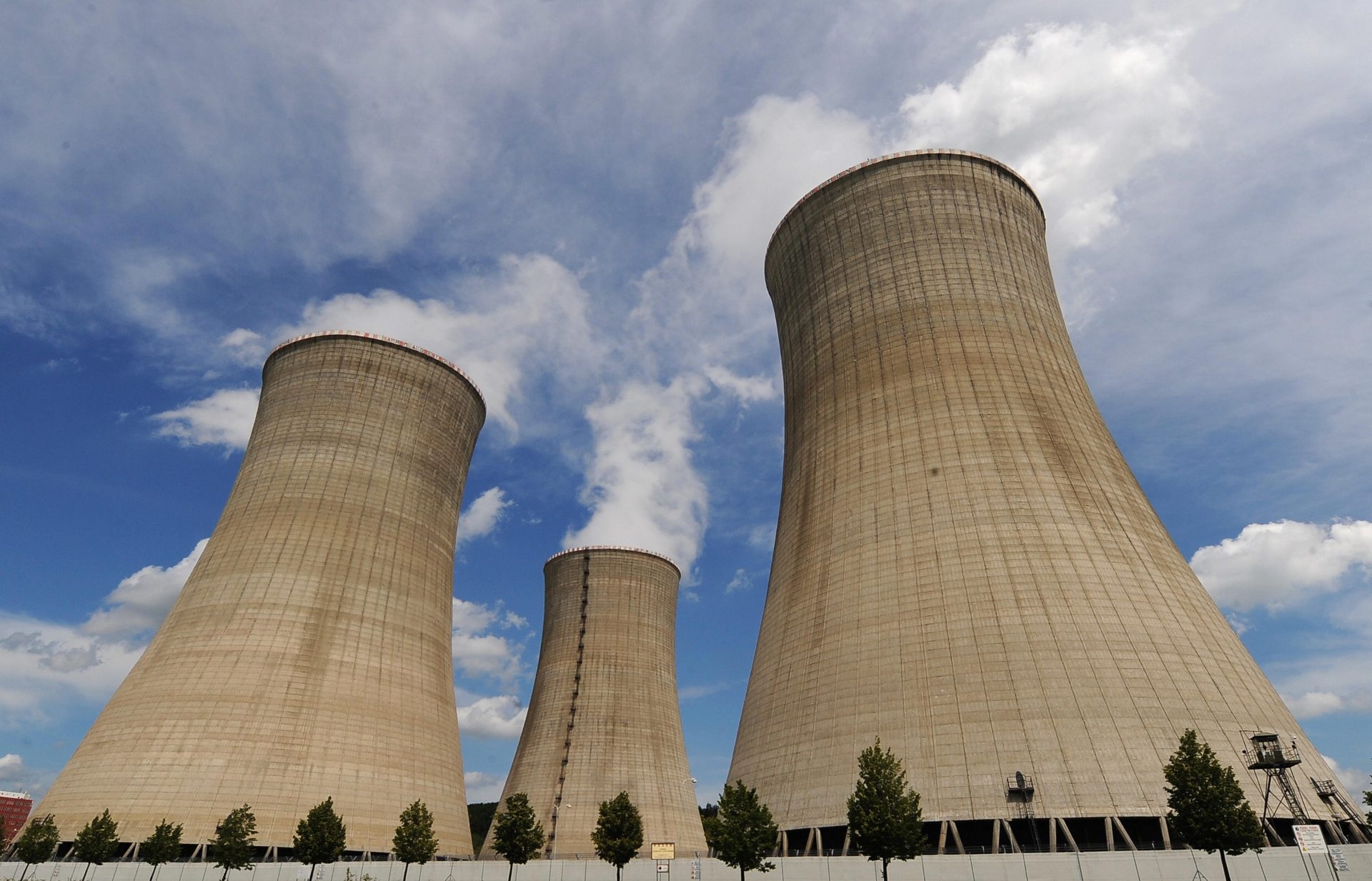
France reduced nuclear power generation by 6.3 gigawatts (GW) across eight reactors early on June 13, as a prolonged heatwave pushed river temperatures higher, limiting the availability of cooling water at several nuclear plants, according to data from utility European Data Format (EDF) cited by Reuters.
The reduction represented around 14% of France’s total electricity demand at 07:30 GMT, based on data from grid operator RTE.
The affected reactors are Saint-Alban 1 and 2, Bugey 3, 4 and 5, Golfech 2, and Blayais 1 and 3. Golfech 2 and Bugey 3 were taken fully offline because of the heat, while the remaining reactors continued operating at reduced capacity.
Despite the production cuts, France is expected to remain a net exporter of electricity, with more than 10 GW of power flowing to neighboring countries throughout the day, RTE data showed. The country is only expected to import electricity from Spain, where strong solar and wind generation is supporting south-to-north power flows.
The heatwave is forecast to continue until at least midweek, with high temperatures shifting eastward and intensifying across central and eastern France, according to Meteo-France.
Under French environmental regulations, EDF must reduce reactor output when river temperatures exceed specified limits to prevent excessive warming of waterways and protect aquatic ecosystems. The restrictions are environmental measures and do not affect the safety of the reactors.
Analysts at Engie’s EnergyScan said continued nuclear output curtailments, combined with reduced hydroelectric generation caused by low rainfall and high temperatures, are likely to support spot electricity prices across Europe.
River flows are also expected to decline as the hot, dry weather persists. One reactor at the Chooz nuclear power plant is scheduled to go offline on 14th of June because of the conditions.