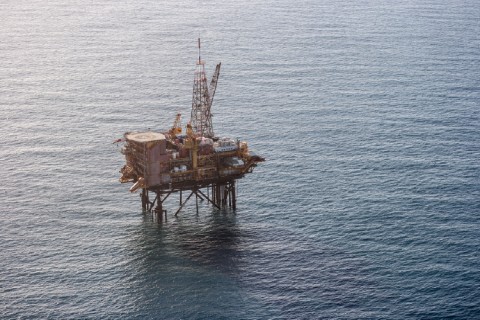
Agiba Petroleum Company, a joint venture between the Egyptian General Petroleum Corporation (EGPC) and the Italian energy major Eni, has made a new Western Desert hydrocarbon discovery described as the company’s largest in 15 years.
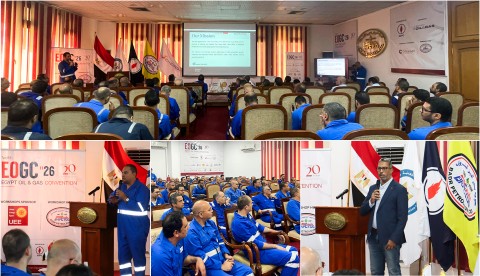
The discovery was made through the exploratory well South Bostan-1X, drilled using the EDC-9 rig operated by the Egyptian Drilling Company (EDC), according to a statement by the Ministry of Petroleum and Mineral Resources (MoPMR). The initial estimates indicate reserves of approximately 330 billion cubic feet (bcf) of gas, alongside 10 million barrels (mmbbl) of condensates and crude oil, bringing the total to around 70 million barrels of oil equivalent (mmboe).
The find gains further importance due to its proximity to existing infrastructure and production facilities, just 10 kilometers away, enabling rapid development and early tie-in to production systems.
According to the ministry, the well encountered multiple sandstone and limestone reservoirs with a net pay thickness of about 400 feet, underscoring the discovery’s strong production and economic potential.
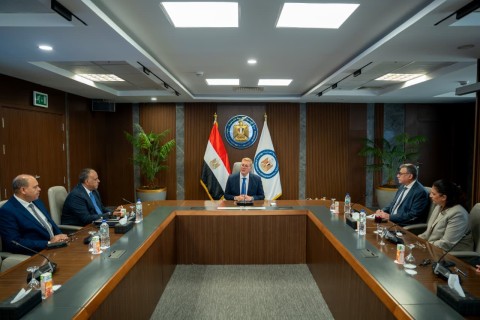
The announcement reflects the success of the ministry’s strategy to incentivize partners to intensify exploration activities, particularly in areas adjacent to existing fields, noted the statement. This approach aims to unlock new resources near established infrastructure, reducing development costs, accelerating production timelines, and encouraging the deployment of advanced data acquisition and analysis technologies to enhance exploration success rates.
In August 2025, Agiba announced the North Lotus Deep-1 discovery in the Western Desert. The find was developed as a near-field addition within the company’s concession areas and was successfully brought onstream, contributing around 3,100 barrels of oil equivalent per day (boe/d).