
Features / Politics

Global Energy Markets on Edge: How Middle East and Ukraine Conflicts Shape 2025

2025 is poised to be a year of heightened geopolitical tension with significant implications for global energy markets. Several volatile conflicts, including the ongoing war in Ukraine, the Israeli-Palestinian conflict, and the instability in Syria and Iran, threaten to disrupt the global order and fuel further uncertainty.  
Trump’s Energy Agenda: A Step Backward for Climate Policy?

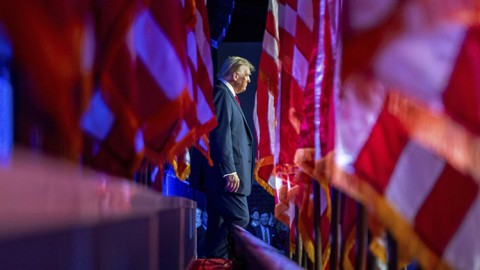
As the political landscape in the United States is shifting with the resurgence of Donald Trump for a second presidential term, significant concerns are high among climate scientists, environmental activists, and energy market analysts. Many experts predict a rollback of climate policy, a renewed emphasis on the interests of fossil fuel companies, and a pivot away from renewable energy initiatives that gained momentum during the previous administration of Joe Biden. However, this expected trajectory might not be as straightforward, as counteracting forces—such as the European Union's climate policies and a growing energy transition movement—could mitigate some of the expected consequences of a Trump presidency on energy and climate efforts.

BRICS Summit 2024 in Russia: Advancing De-Dollarization and Cooperative Initiatives

In October 2024, the BRICS Summit took place in Kazan, Russia, marking a pivotal moment in the bloc's history as Egypt, Ethiopia, Iran, and the UAE attended for the first time since their recent inclusion. Representing some of the world’s largest and most diverse economies, BRICS expanded its scope this year by taking concrete steps toward de-dollarization and strengthening regional partnerships across multiple sectors. Although the dominance of the U.S. dollar in global finance remains formidable, this summit showed that BRICS is focused on creating systems that could, in time, reshape international trade and financial operations, particularly through cooperative projects like a cross-border payments system and a proposed grain exchange.

The Day the Pagers Exploded: A New Era of Conflict

The recent pager attack in Lebanon has ushered in a disturbing new era of warfare, where the lines between the battlefield and civilian life have become increasingly blurred. This unprecedented act of violence, which targeted hundreds of individuals with explosive-laden devices, has raised serious concerns about the potential for future attacks on a massive scale.

The Calm Before the Storm: Iran’s Strategic Response to Haniyeh’s Killing

The recent assassination of Ismail Haniyeh, the political chief of Hamas, in Tehran has sharply escalated tensions between Israel and Iran. This event, coupled with the killings of several Hezbollah figures, has created a dangerous situation in the Middle East, where the possibility of an Iranian retaliatory strike looms large. The potential for such an action raises concerns about a broader regional conflict that could involve multiple actors across the region.

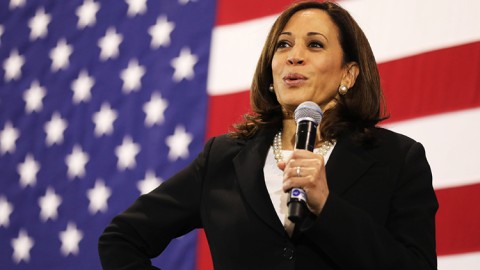
What A Harris Presidency Could Mean for The Future of Us Climate Policy

US Vice President Kamala Harris, who could potentially become the first woman to lead the United States, is expected to bring a distinctive approach to various critical issues in US politics. As a woman of South Asian and African American descent, she is anticipated to have her own way of addressing issues such as the Israeli-Palestinian conflict, relations with China, and dealings with Russia. However, analysts currently have limited insight into her exact positions on these matters. One area where Harris has made her stance abundantly clear is on climate change.

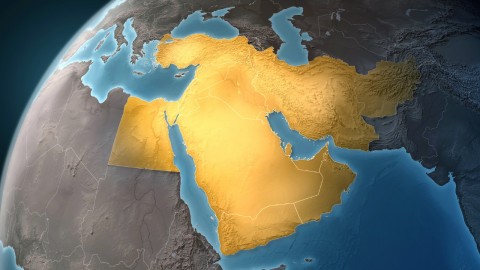
Middle East on Edge: Israel-Hezbollah Clash Escalates

In recent months, the conflict between Israel and Lebanon's Hezbollah has intensified, raising alarms about the potential for a wider regional war. This escalation, marked by regular exchanges of missile fire and airstrikes, threatens not only the immediate safety of civilians but also the broader stability of the Middle East, with significant repercussions for the global economy, particularly in the energy sector.

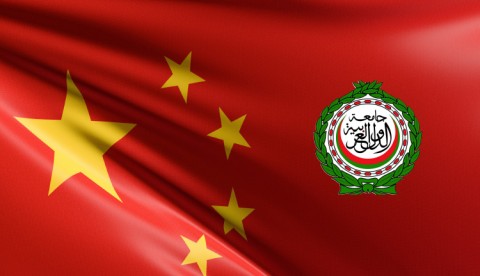
The Expanding Horizons of China-Arab Cooperation: Energy and Beyond

The latest China-Arab Forum has revealed a significant evolution in the political and economic dynamics between China and the Arab world, underscoring not only their shared political stances, but also an ambitious agenda to deepen economic cooperation, particularly in the energy sector. This shift signals a transformative phase in China-Arab relations, with a focus extending beyond traditional oil and gas transactions to embrace energy transition and renewable energy initiatives.

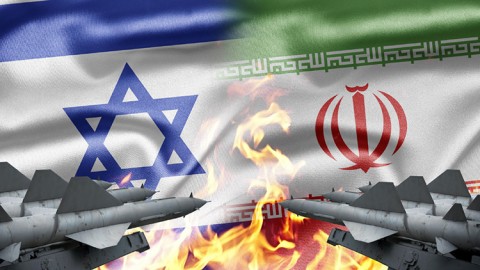
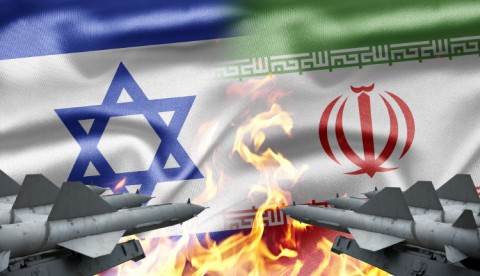
Geopolitical Unrest: Iran-Israel Escalation Amplifies Oil Market Concerns

In the most recent escalation between Israel and Iran, the two sides have, for the first time, directly confronted each other, abandoning the use of proxies in Lebanon, Yemen, Syria and Iraq. Although the escalation did not result in substantial damage, it has drawn attention to the potential threat of a real escalation between Iran and Israel. The implications extend to both regional security and the stability of the energy market.

Cracks in the Green Dream: Europe’s Climate Agenda Faces Mounting Opposition

As the European Commission lays the groundwork for a new target to reduce CO₂ emissions by 2040, the old continent finds itself at a critical juncture regarding its commitment to environmental sustainability. The ambitious European "Green Deal," once hailed as a driving force and beacon of hope for a greener future, is now facing new challenges from various fronts, including farmers, industrialists, and right-wing governments. With the upcoming European elections looming large, the fate of the Green Deal seems to hang precariously in the balance, casting a shadow over Europe's path towards a sustainable future.

Page 2 of 9

Login

Welcome! Login in to your account

Remember me Lost your password?

Lost Password